





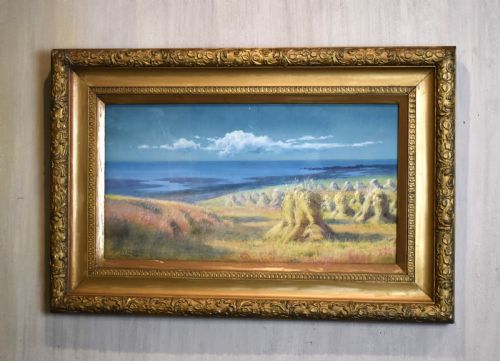


Sea View Artwork
Sea view artwork brings coastal light and shoreline atmosphere directly to your walls through oils and watercolours.
Sea View Artwork
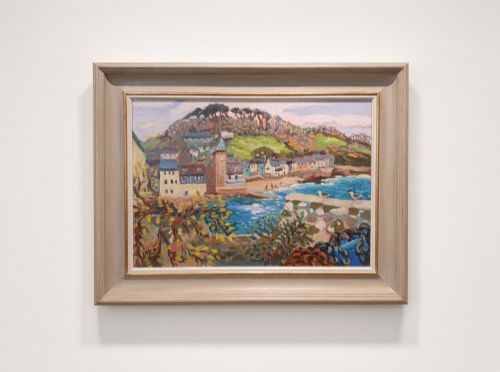
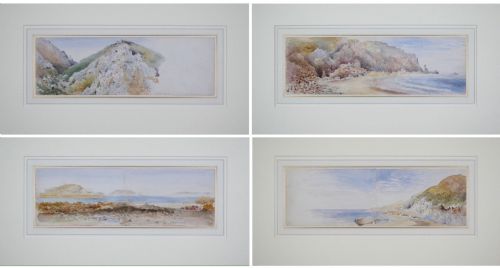
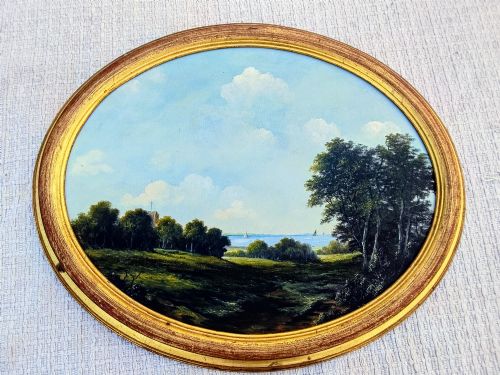
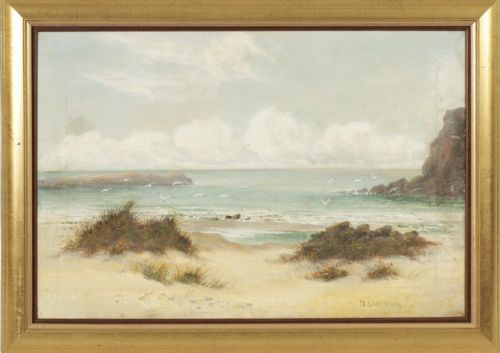
Sea view artwork captures coastal scenes, marine landscapes, and harbour views through paintings on canvas, board, and paper. These works record coastal environments from domestic shores in Cornwall, Scotland, and the Isle of Man to Mediterranean destinations in France and Italy.
The pieces on this page span the nineteenth century, the Edwardian era, and mid-twentieth-century movements including Post-Impressionism and traditional maritime styles. Oil paint and watercolour dominate these coastal records, offering varying treatments of coastal light and atmosphere.
You will encounter works ranging from large Victorian oil paintings to intimate vintage studies and framed watercolours. Each piece preserves a specific shoreline perspective through the hand of traditional and mid-century artists.
How sea view artwork was made
Artists applied oil paint and watercolour onto stretched canvas, prepared wooden boards, and heavy paper sheets. Canvas supports allowed for textured brushwork and impasto application, while board provided a firm ground for detailed regional studies.
Many historical frames utilise gilded wood and gesso ornamentation to complement the maritime subject matter. These traditional framing methods protect the edges of the canvas and paper while defining the visual boundary of the coastal scene.
Sea View Artwork Retail Price Guide 2026
Typical asking prices for sea view artwork among the pieces listed under this phrase on Sellingantiques today, from the lower quarter to the upper quarter. They describe what is for sale here now, not the wider market.
Some coastal painters braved fierce Channel gales just to capture the exact shade of grey water crashing against a Cornish harbour wall.
What varies in quality
The handling of light and atmospheric depth distinguishes accomplished coastal compositions from simpler illustrative records. Masterful artists capture the shifting tones of sea and sky through confident brushwork rather than rigid adherence to detail.
The preservation of the original support, whether canvas, board, or paper, influences the structural integrity of the piece. Intact original frames with period gesso enrich the presentation of nineteenth-century and vintage marine paintings.
Erich Mercker·Thomas Rose Miles·James Torrington Bell·Peter Ghent·Edward Fletcher·Daniel Sherrin·Alastair Flatterly
The Sea View Artwork Glossary
- Oil on Canvas
- A painting technique where oil-based pigments are applied to a woven fabric support stretched across a wooden frame. This method allows for rich colour blending and textured surface effects.
- Watercolour
- A painting method using water-soluble pigments on paper supports. It produces translucent washes of colour well suited to capturing light maritime atmospheres.
- Gesso
- A traditional paint mixture consisting of a binder mixed with chalk, gypsum, or pigment used to prepare wood or canvas surfaces. It also forms the base for moulded ornamentation on antique frames.
- Post-Impressionism
- An art movement following Impressionism that extends its use of vivid colours and thick brush application while emphasising geometric forms or expressive emotional responses. It appears in mid-century coastal interpretations.
- Victorian Realism
- An artistic approach from the nineteenth century focusing on accurate, detailed representation of subjects without idealisation. In marine works, this translates to precise depictions of vessels and coastal topography.
Sea View Artwork: Frequently Asked Questions
How do I date sea view artwork?
Dating relies on stylistic markers within the painting, artist signatures, and the materials used for the canvas or board support. Examining framing techniques and labels on the reverse also provides chronological context for vintage pieces.
Nineteenth-century works often show detailed realism and heavier wooden stretchers, while mid-century pieces display broader brushwork and modernist influences.
Where should I hang a coastal painting?
Select a wall with stable ambient light away from direct, harsh sunlight to protect oil pigments and watercolour washes from fading. Rooms with neutral decor allow the marine palette of blues, greens, and earth tones to stand out.
Ensure the painting is hung at eye level to properly engage with the perspective and scale of the coastal landscape.
What is the difference between oil and watercolour sea views?
Oil paintings utilise heavy pigments suspended in drying oils, yielding rich textures, impasto brushwork, and deep colour saturation on canvas or board. Watercolours use transparent pigments on paper, creating luminous, delicate effects.
Oils generally offer greater durability and surface relief, whereas watercolours rely on the bright white of the paper underneath for their inner light.