


Sea Chest Storage
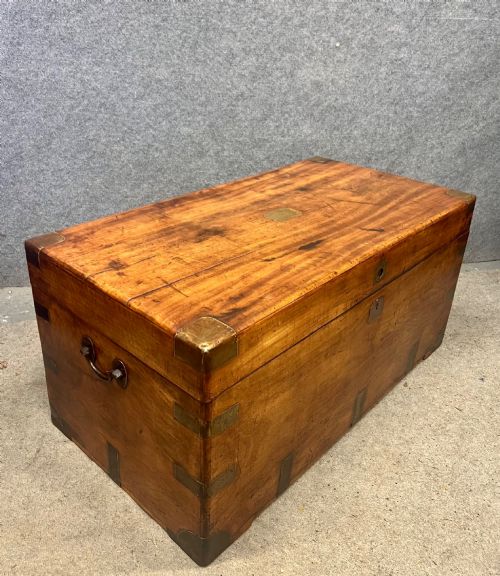
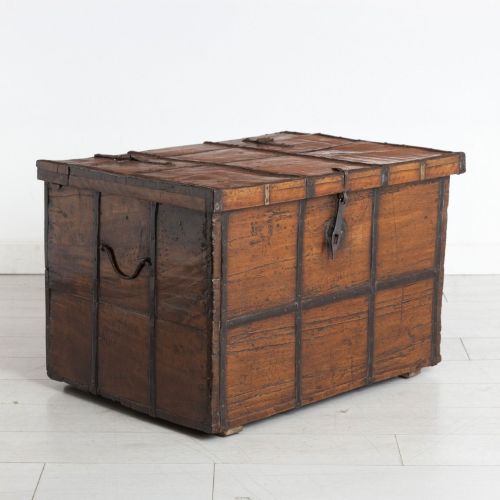
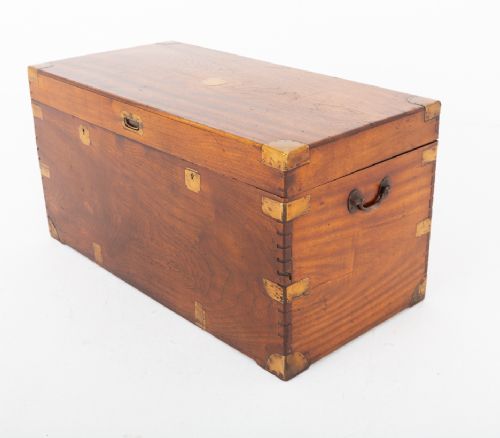
Sea chest storage offers robust utility and maritime character, bringing practical history into modern rooms through sturdy timber construction and brass fittings.
Sea Chest Storage
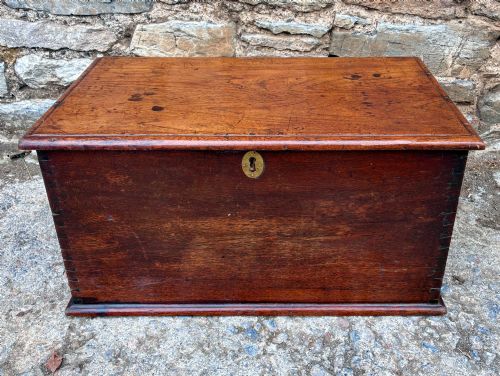
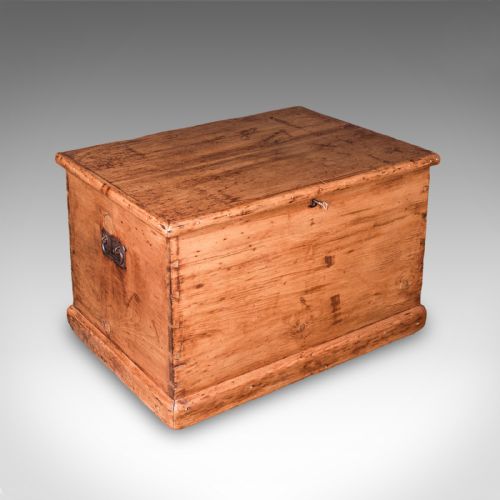
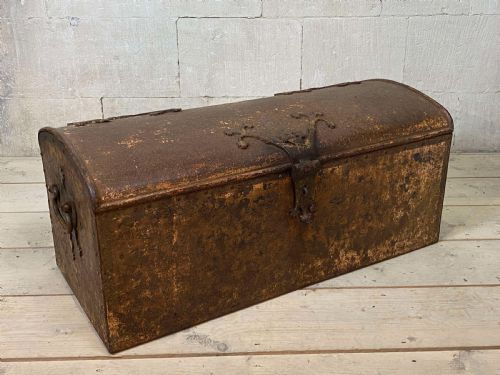
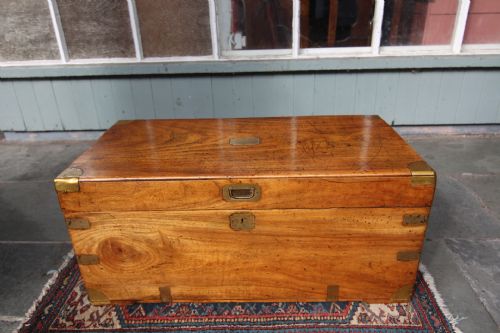
Sea chest storage encompasses a variety of substantial trunks and blanket boxes designed for travel and domestic utility. When exploring sea chest storage, buyers frequently encounter pieces originating from the nineteenth century, including Victorian campaign pieces.
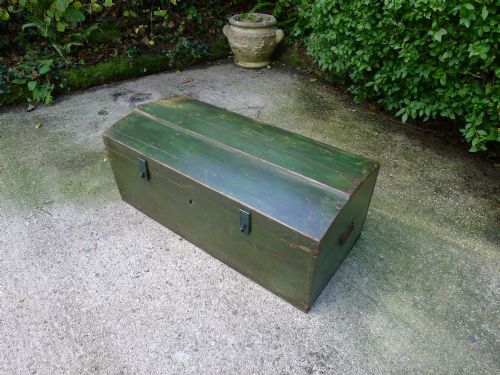
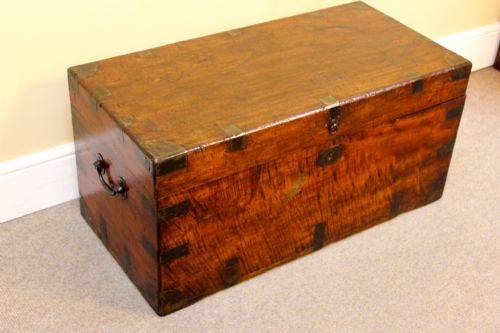
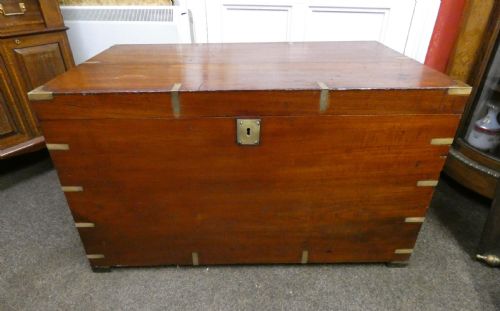
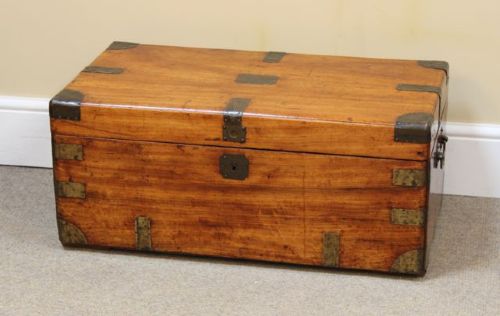
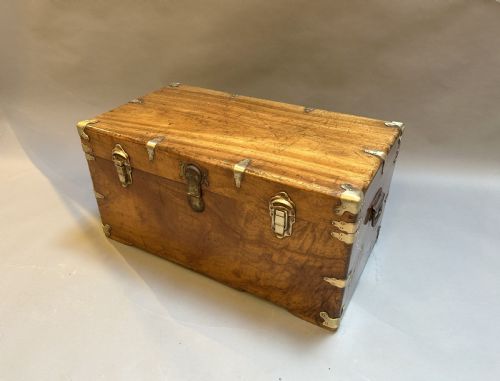
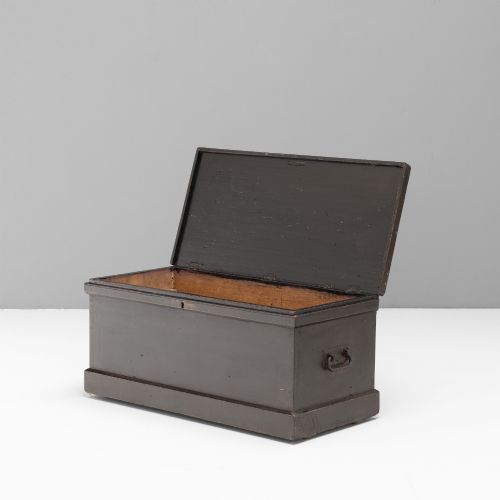
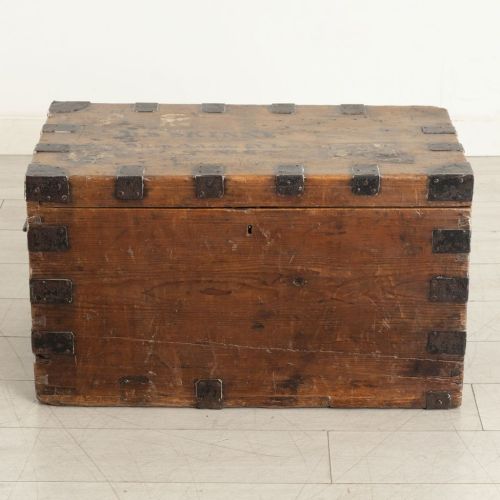
The selection ranges from large Anglo-Indian camphor wood trunks to sturdy pine and teak travel chests. Many examples retain original paint finishes or substantial brass corner brackets and carrying handles.
These items function effectively as deep storage boxes, coffee tables, or blanket chests in contemporary interiors. Their origins span military campaigns, naval service, and colonial households.
Materials and construction
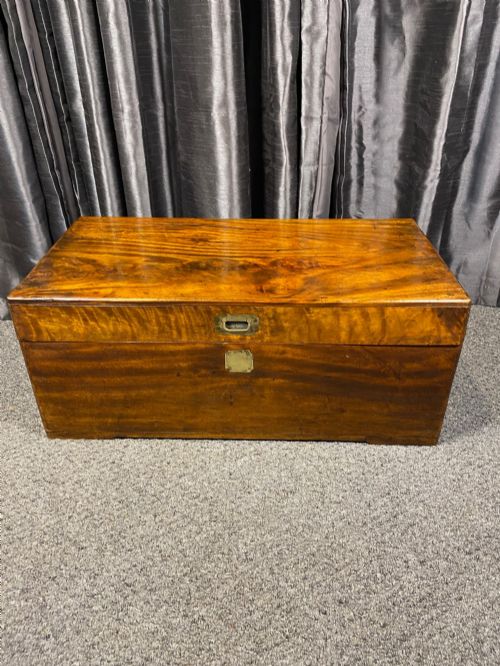
Carpenters utilised durable timbers such as camphor wood, teak, mahogany, walnut, and pine to withstand arduous journeys at sea. Camphor wood was particularly favoured for its insect-repellent properties, protecting textiles stored within.
Strength was paramount, leading craftsmen to reinforce corners, edges, and lids with heavy brass or iron bands and secure fastenings. Dovetail joints and robust hinges ensured these boxes endured heavy transit.
External surfaces were finished with natural polish, dark stains, or protective coats of paint. Interior compartments often included smaller till boxes for secure storage of smaller personal items.
Sea Chest Storage Retail Price Guide 2026
Typical asking prices for sea chest storage among the pieces listed under this phrase on Sellingantiques today, from the lower quarter to the upper quarter. They describe what is for sale here now, not the wider market.
Factors of quality
Quality rests significantly on the preservation of original hardware, including brass corners, carrying handles, and functional lock plates. Replacement fittings alter the integrity of a piece.
The choice of primary timber dictates distinction, with finely grained camphor wood and dense colonial teak commanding greater regard than standard utility pine. Timber selection reflects the original destination and status of the owner.
Original paint finishes and untouched interior surfaces preserve the historical narrative. Trunks retaining documented provenance or regimental connections offer deeper historical interest.
The Sea Chest Storage Glossary
- Campaign trunk
- A portable chest constructed in sections or with recessed handles for military officers on the move. These pieces often feature brass binding to protect against impacts during transport.
- Camphor wood
- An aromatic hardwood native to Asia, utilised extensively for sea chests because its natural scent repels moths and insects. It displays a warm reddish-brown grain.
- Tansu
- A traditional Japanese mobile storage chest featuring sliding doors or multiple drawers and iron hardware. These pieces served practical household and travel functions.
- Blanket box
- A deep rectangular chest traditionally used for storing woolen blankets, linens, and garments. They double as low benches or coffee tables in domestic settings.
- Till box
- A small, lidded internal compartment fitted inside a larger trunk for holding valuables and documents. It lifts out or slides to reveal deeper storage underneath.
Sea Chest Storage: Frequently Asked Questions
What is sea chest storage?
Sea chest storage refers to durable antique trunks and boxes originally built for maritime travel or military campaigns. They provide deep internal cavities suitable for modern household organisation.
These pieces range from plain pine utility boxes to brass-bound camphor wood and teak trunks made for officers at sea.
How were sea chests used historically?
Sailors, soldiers, and colonial travellers packed their uniforms, books, and personal belongings inside these heavy chests for long voyages. The robust construction protected contents from salt water, rough handling, and damp conditions.
Upon reaching a destination, the chest often served as a table, bench, or bedside cabinet within temporary quarters.
How do I care for a camphor wood chest?
Camphor wood requires minimal maintenance beyond dusting with a dry or slightly damp cloth. Avoid placing the chest in direct sunlight or near heat sources to prevent the timber from drying out.
The natural aromatic oils within the wood remain active over time, continuing to protect stored textiles without requiring chemical treatments.
Can I use a sea chest as a coffee table?
These chests function exceptionally well as coffee tables due to their flat tops and sturdy wooden construction. They introduce texture and history to a living room while offering concealed storage for blankets and books.
Ensure the lid is securely hinged and consider placing a tray on top to hold drinks safely.
How can I tell the age of a trunk?
Dating relies on examining the timber species, construction joints, fastener types, and hardware design. Nineteenth-century examples often feature machine-sawn boards and standardised brass brackets, whereas older eighteenth-century pieces display hand-cut joinery and forged iron fittings.
Maker's marks, military inscriptions, or paper labels inside the lid also provide precise chronological clues.