


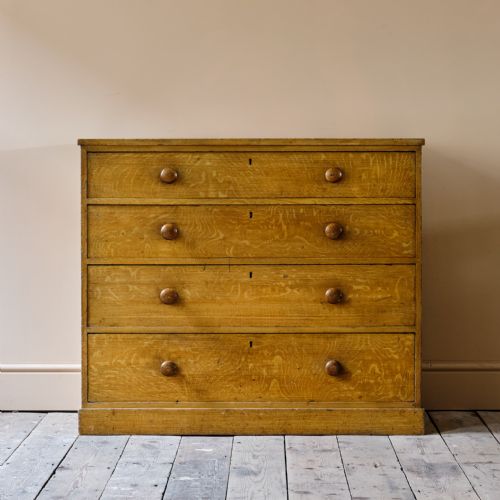


Scumbled Pine Tallboy
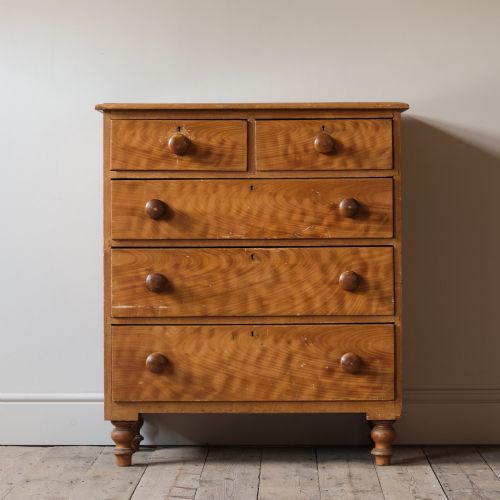
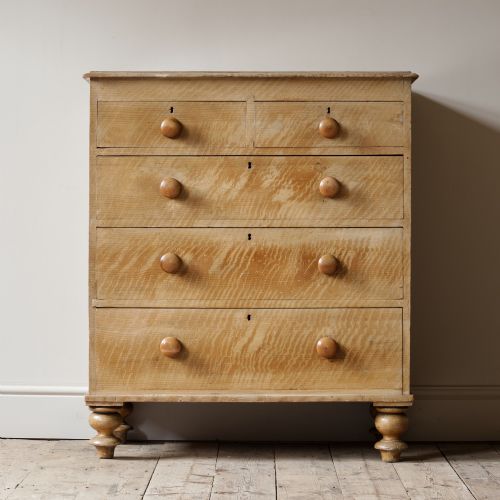
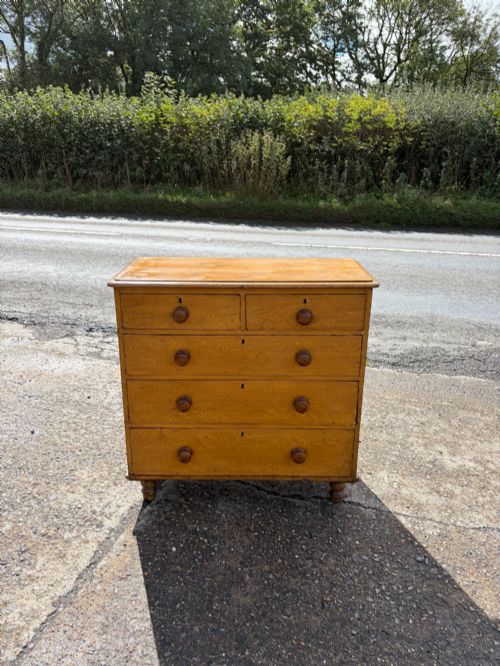
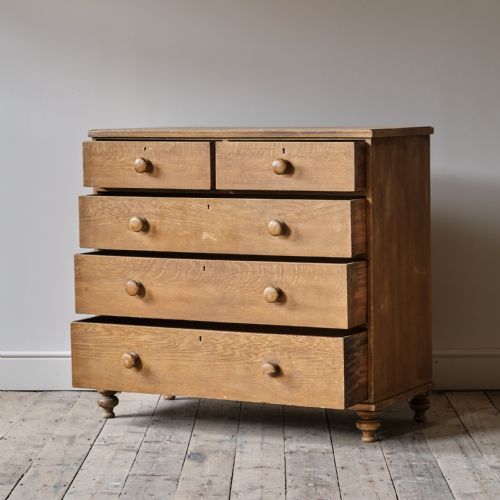
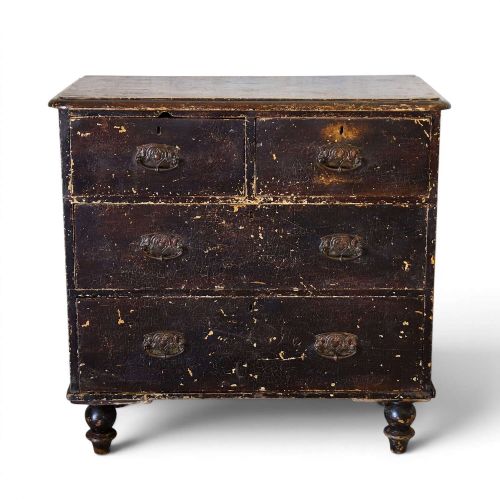
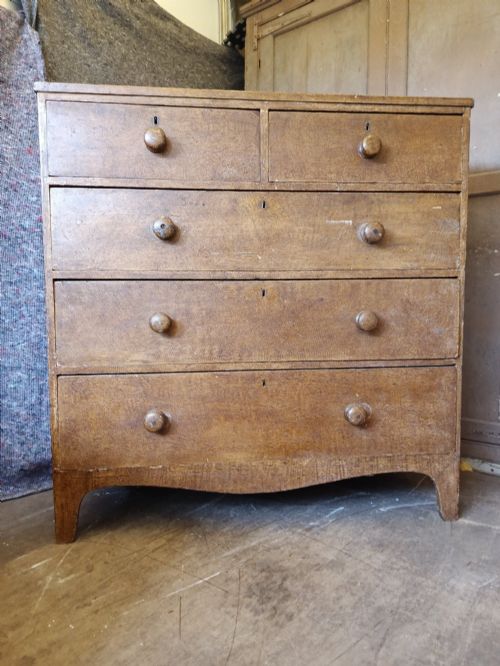
A scumbled pine tallboy brings robust country character into a room through deep, simulated wood-graining applied over pale timber.
Scumbled Pine Tallboy
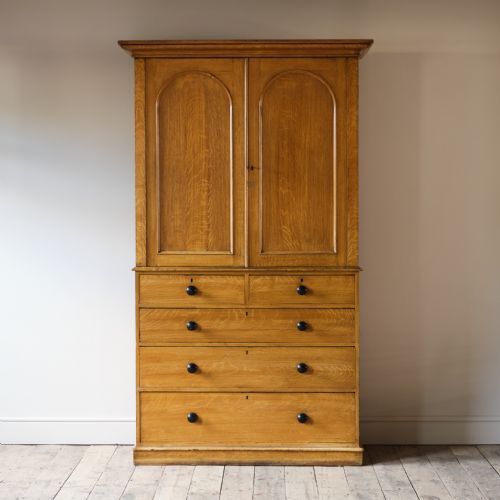
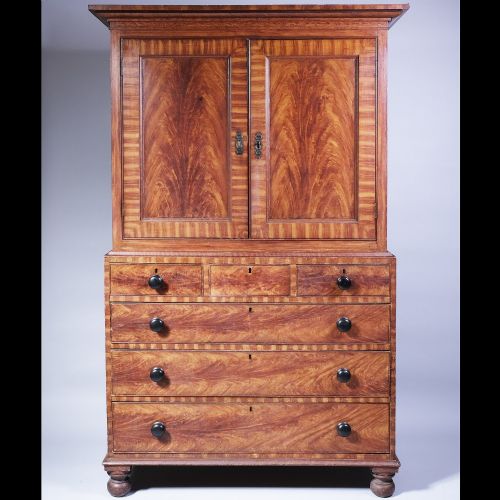
A scumbled pine tallboy or related painted chest delivers practical storage wrapped in folk art charm, originating primarily from the nineteenth century and the Victorian era. These sturdy items range from tall linen presses and housekeeper cupboards to classic chests of drawers, often shaped by regional country craftsmanship.
Buyers meet pieces finished in original brown scumble paint or general country house painted schemes, hailing from periods such as the Regency era and around nineteen hundred. The forms rely on solid pine construction, serving utilitarian domestic needs with enduring visual presence.
How they were made
Workshops built these carcases from solid pine, selecting timber for utility before applying decorative surface treatments. Iron and brass handles or ceramic knobs completed the drawer fronts, while the core structure remained purely functional.
Painters used scumbling techniques to drag or comb darker translucent glazes over lighter painted timber bases, imitating richer hardwoods like oak or walnut. This layered folk art finish preserved the soft pine underneath while creating rich decorative grain patterns.
Scumbled Pine Tallboy Retail Price Guide 2026
Typical asking prices for scumbled pine tallboy among the pieces listed under this phrase on Sellingantiques today, from the lower quarter to the upper quarter. They describe what is for sale here now, not the wider market.
Listings feature nineteenth-century and Victorian pieces constructed from pine, paint, wood, ceramic, iron, and brass.
What varies in quality
The sophistication and preservation of the original paint layer dictates the visual standing of each piece, distinguishing simple utilitarian decoration from deliberate artistic folk graining. Patinas that show genuine age without heavy modern intervention hold greater aesthetic balance.
Proportion and scale influence desirability, moving from compact country bedroom chests up to large Scottish examples or substantial housekeeper cupboards. The integrity of the underlying pine carcase and untouched hardware further separate standard domestic items from superior examples.
The Scumbled Pine Tallboy Glossary
- Scumble paint
- A translucent decorative glaze manipulated with combs, brushes, or rags over a pale ground to simulate the grain of expensive hardwoods. This technique defined nineteenth-century country furniture decoration.
- Tallboy
- A traditional tall chest of drawers, often comprising a smaller chest stacked upon a larger base or built as a single tall vertical unit. It maximises vertical storage floor space.
- Linen press
- A large storage cabinet featuring upper doors enclosing sliding trays for textiles above a configuration of lower drawers. These pieces served domestic housekeeping roles in country houses.
- Wellington chest
- A tall, narrow chest of drawers secured by a hinged vertical locking strip on one side that fastens with a key. This form originated in the nineteenth century for compact security.
Scumbled Pine Tallboy: Frequently Asked Questions
What is a scumble finish?
A scumble finish involves layering a translucent tinted glaze over a paler painted base and working it with tools to mimic richer timber grains. Painters used this method in country workshops to elevate plain pine furniture.
This decorative technique gives nineteenth-century pieces their characteristic patterned appearance without using costly hardwoods.
How do I date these chests?
Dating relies on construction methods, timber preparation marks, handle styles, and the character of the paint layers. Nineteenth-century examples often display hand-cut joints and distinct patina.
Comparing regional styles like Scottish or Victorian country pieces helps narrow down the period of manufacture.
Are these pieces made of solid pine?
Yes, these items utilise solid pine for their main carcases, drawer linings, and internal framing. Pine provided a stable, accessible timber for regional carpenters.
Makers then applied painted or scumbled finishes directly onto this softwood base.
How do I clean scumbled pine?
Cleaning requires a soft, dry cloth to remove dust without disturbing the historic surface. Moisture and harsh chemical cleaners can damage delicate old paint layers.
Preserving the original painted skin maintains the character and historical integrity of the piece.