

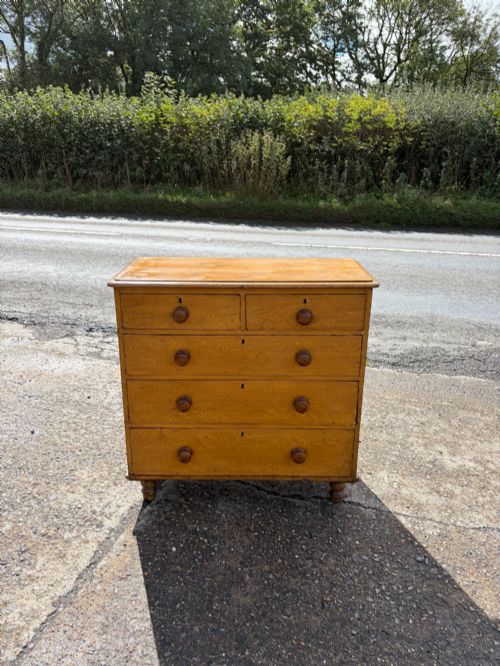
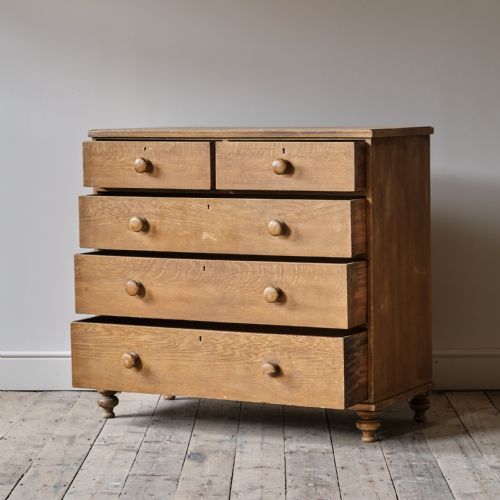
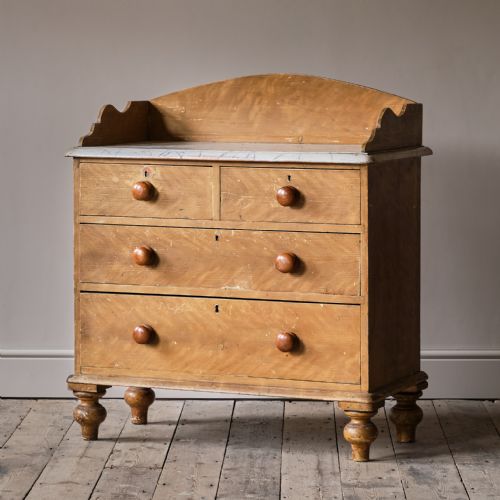
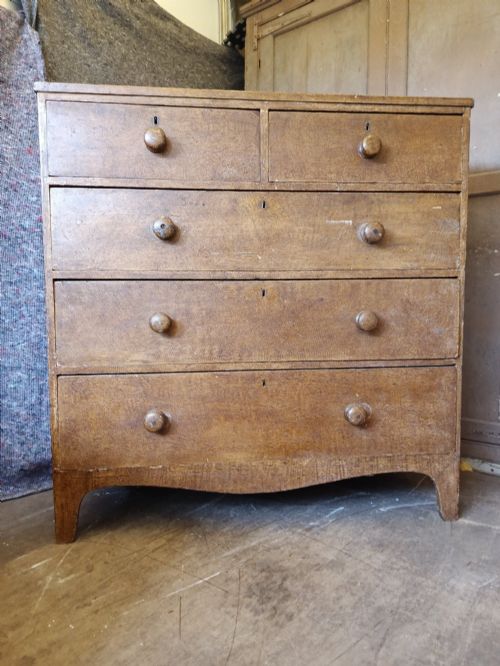
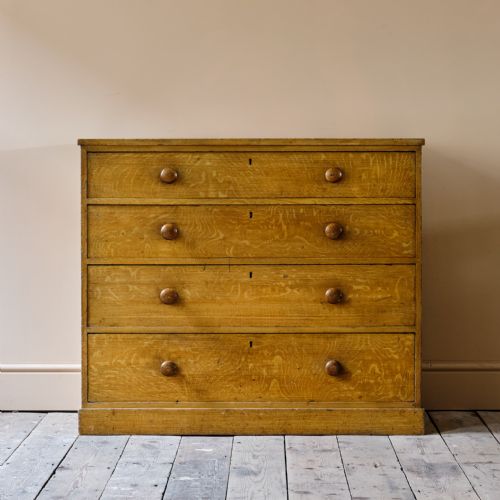


Scumbled Dresser
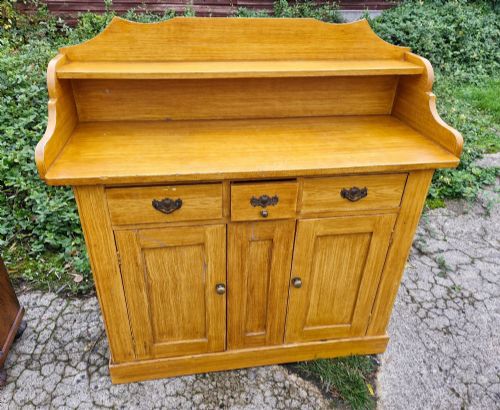
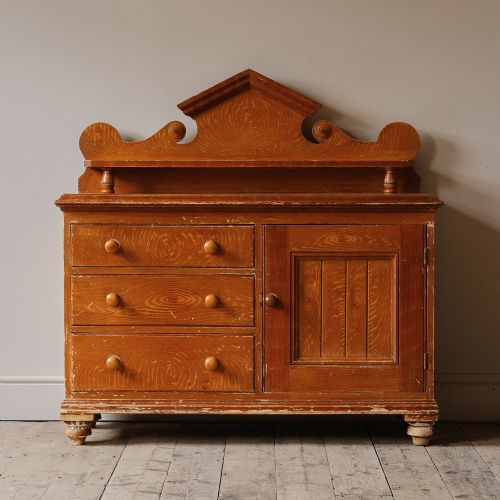
A scumbled dresser brings authentic rural character into a room through rich, textured layers of historic decorative paintwork.
Scumbled Dresser
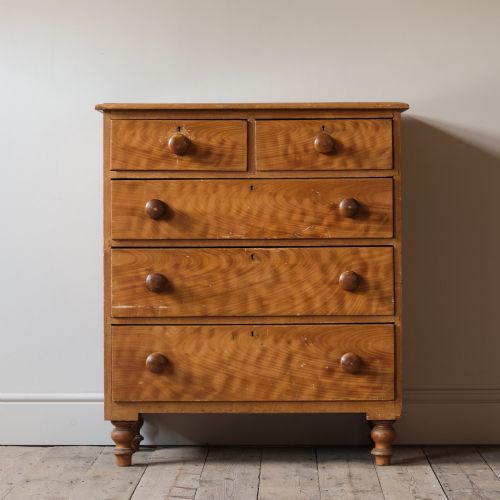
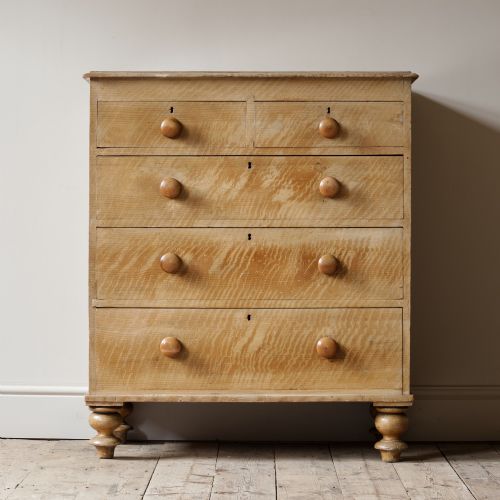
A scumbled dresser or associated painted pine chest of drawers represents nineteenth century domestic utility, emerging from Victorian country and rustic farmhouse traditions. These pieces combine practical storage with decorative surfaces that mimic more expensive timbers.
The selections on this page span the nineteenth century, including Victorian and Regency periods, alongside specific regional examples from Scotland and the West Country. Forms include kitchen dressers, dresser bases, housekeeper cupboards, and drawer chests.
Buyers encountering these items will frequently find pine carcases finished with original green scumble paint, graining, or hand-painted effects. Each piece demonstrates how utilitarian furniture was elevated through decorative surface treatments.
Materials and construction
Makers built these pieces primarily from solid pine, utilising sturdy timber for daily domestic use in kitchens and sculleries. Iron and brass hardware such as drawer pulls and hinges completed the functional assembly.
The distinct surface finish relies on scumbled paint techniques, where translucent topcoats are manipulated over a lighter base colour to simulate natural wood grain. Artisans applied these decorative layers by hand to plain timber surfaces.
Scumbled Dresser Retail Price Guide 2026
Typical asking prices for scumbled dresser among the pieces listed under this phrase on Sellingantiques today, from the lower quarter to the upper quarter. They describe what is for sale here now, not the wider market.
Listings feature nineteenth century pine and painted wood constructions, encompassing regional items from Scotland and the West Country alongside standard Victorian forms.
Assessing quality in painted surfaces
The sophistication of the original graining or scumble work dictates the visual success of the piece, ranging from simple brush marks to intricate simulated hardwoods. Survival of the untouched surface finish without later overpainting distinguishes superior examples.
Proportional harmony between the base, drawers, and any upper plate racks separates standard utility items from more ambitious regional cabinet work. The integrity of the underlying pine construction and original iron or brass fittings further anchors the standard.
The Scumbled Dresser Glossary
- Scumble
- A translucent or semi-opaque layer of oil paint applied over a lighter base colour and manipulated with combs, rags, or brushes to create decorative patterns. This technique allowed ordinary pine to mimic exotic hardwoods.
- Pine
- A soft timber widely utilised across nineteenth century domestic furniture for its accessibility and ease of working. It forms the primary structural material for these country pieces.
- Dresser base
- The lower cabinet portion of a kitchen dresser, typically featuring a combination of drawers and cupboards beneath a solid working top. These items served as central work surfaces in historic kitchens.
- Housekeeper cupboard
- A large tall storage unit traditionally used in country houses for linens, dry goods, and household provisions. These substantial pieces feature panelled doors and internal shelving.
- Graining
- The decorative craft of painting a surface to imitate the distinct patterns and figures of fine timbers such as oak or mahogany. It was particularly popular during the Victorian period for utilitarian furniture.
Scumbled Dresser: Frequently Asked Questions
What is a scumbled finish?
A scumbled finish involves applying a darker, translucent glaze over a lighter painted base. Artisans then use tools like combs or rags to work the wet topcoat into decorative patterns that resemble wood grain.
This technique transformed inexpensive pine furniture into visually striking pieces that imitated costly timbers like oak or walnut. The resulting surface gives these nineteenth-century items their distinctive depth and texture.
How do I clean a painted pine surface?
Historic painted surfaces require gentle maintenance using a soft, dry cloth to remove dust. Avoid chemical cleaners or excessive moisture, which can lift or damage nineteenth-century scumble paint.
Preserving the original dry finish means accepting minor traces of age and use rather than attempting aggressive restoration. Regular dusting is sufficient to maintain the appearance of the painted wood.
Where were these dressers originally used?
These items originated in nineteenth-century kitchens, sculleries, and farmhouses where durable storage was an absolute necessity. Kitchen dressers held crockery and foodstuffs, while chests of drawers and cupboards stored household linens.
Regional variations, such as pieces originating from Scotland or the West Country, reflect local cabinet-making traditions and domestic habits. They brought colour and utility into working spaces before moving into modern homes.
How can I tell if the paint is original?
Original nineteenth-century scumble paint exhibits natural wear patterns, consistent craquelure, and integration with the underlying pine substrate. Pigments and brush techniques match the period methods used by Victorian and Regency painters.
Later repainting often sits heavily over the wood with a uniform texture that lacks the subtle variations of historic hand-worked glazes. Close inspection of edges and drawer interiors reveals the history of the surface finish.