





Sculptural Base Table
A sculptural base table brings solid form and character to a room, grounding your space through distinct design and material weight.
Sculptural Base Table
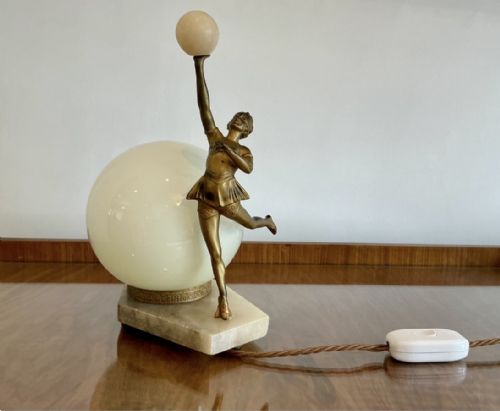
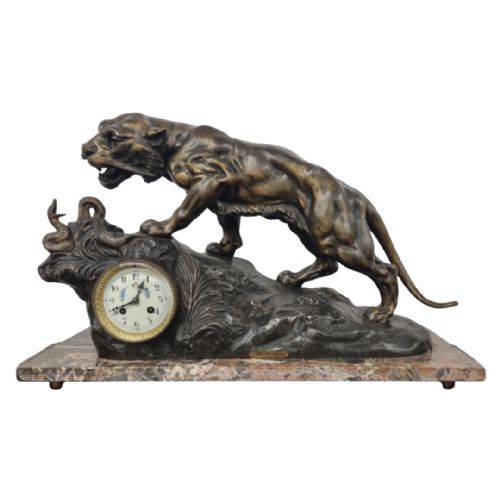
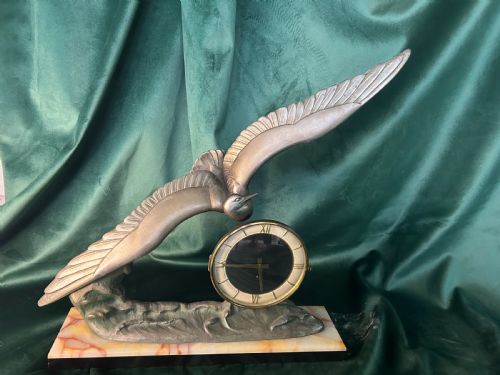
A sculptural base table takes many forms across coffee tables, side tables, and functional decorative pieces like lamps and clocks with substantial stands. When you search for a sculptural base table on this page, you encounter pieces that combine utility with strong visual presence.
The selections span the nineteenth and twentieth centuries, touching periods from the 1870s through the Art Deco era of the 1930s. Anglo-Indian carved forms appear alongside French styles such as Neoclassical, Rococo Revival, Beaux-Arts, Animalier, and Art Nouveau.
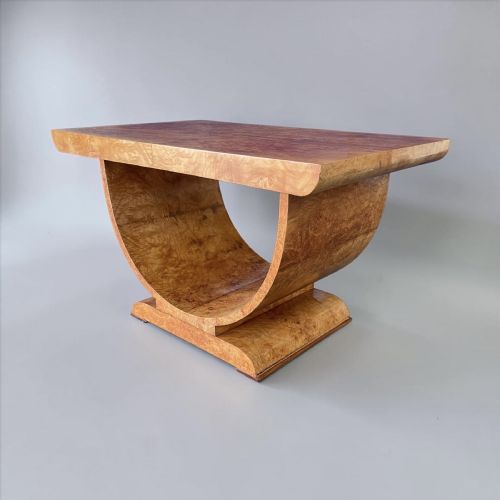
Coffee tables in burr maple represent the lower twentieth-century range, while carved wooden animal tables and marble-stand timepiece bases make up the rest. Buyers select these items to introduce carved detail or metallic figures directly beneath a glass or timber top.
Materials and construction methods
Makers utilised cast bronze, spelter, and brass alongside carved wood and variegated marble to give these bases their structural heft. Metal figures often sit atop marble plinths, while wooden tables rely on detailed hand-carving.
Gilding and enamel add surface finish to bronze and spelter components, particularly on figural clock and lamp bases. Burr maple provides distinct timber grain for table surfaces.
Foundries and workshops combined metal casting with stone bases to support functional tops and timepieces securely.
Sculptural Base Table Retail Price Guide 2026
Typical asking prices for sculptural base table among the pieces listed under this phrase on Sellingantiques today, from the lower quarter to the upper quarter. They describe what is for sale here now, not the wider market.
A loyal dog stands watch beside a boy in a bronze night light, proving that historical lighting could also be charmingly canine.
Judging build and design execution
The integration between the sculptural base and the upper surface determines the visual balance of the piece. Substantial variegated marble stands and well-figured burr maple mark out the stronger items.
R Varnier·P Sega·Francois Moreau
The Sculptural Base Table Glossary
- Spelter
- A zinc alloy commonly used as a cost-effective alternative to bronze for decorative figures and clock bases. It accepts patination and gilding effectively.
- Art Deco
- A design style emerging in the early twentieth century characterised by sleek lines, geometric shapes, and stylised representations of figures and flora.
- Animalier
- A nineteenth-century artistic genre focusing on the realistic depiction of animals, frequently seen in bronze figures on clock and lamp bases.
- Variegated marble
- Stone featuring natural colour variations and veining, utilised for substantial bases that provide weight and stability.
- Burr maple
- Timber cut from growths on maple trees, valued by cabinetmakers for its intricate, swirling grain patterns on table tops.
Sculptural Base Table: Frequently Asked Questions
What periods do these pieces date from?
The inventory spans the nineteenth century through to 1930, taking in decades such as the 1870s, 1880s, and 1900s.
Art Deco and Art Nouveau aesthetics sit alongside earlier French revival styles and Anglo-Indian carving.
What materials are used in the bases?
Makers employed cast bronze, spelter, brass, and carved wood to form the sculptural elements.
Marble and glass frequently provide contrasting structural support or surface tops.
How do I style a sculptural base table?
These pieces act as focal points in a room due to their figural or carved foundations.
Pair them with simple surroundings to allow the detailed metalwork or timber carving to stand out.
What is the difference between bronze and spelter?
Bronze is a heavy copper alloy valued for its durability and fine casting capability in decorative figures.
Spelter is a softer zinc alloy often painted or gilded to mimic bronze in nineteenth-century clocks and lamps.