




Scrolled Gold Mirror
A scrolled gold mirror brings light and a sense of theatrical depth to a room through carved ornamentation and gleaming metallic leaf.
Scrolled Gold Mirror
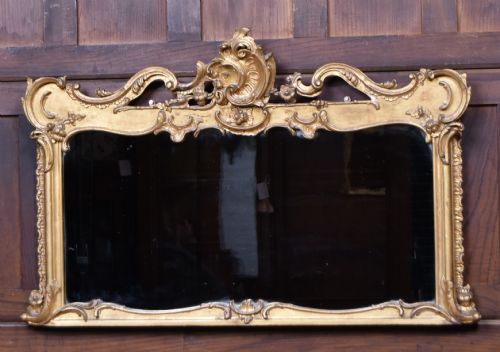
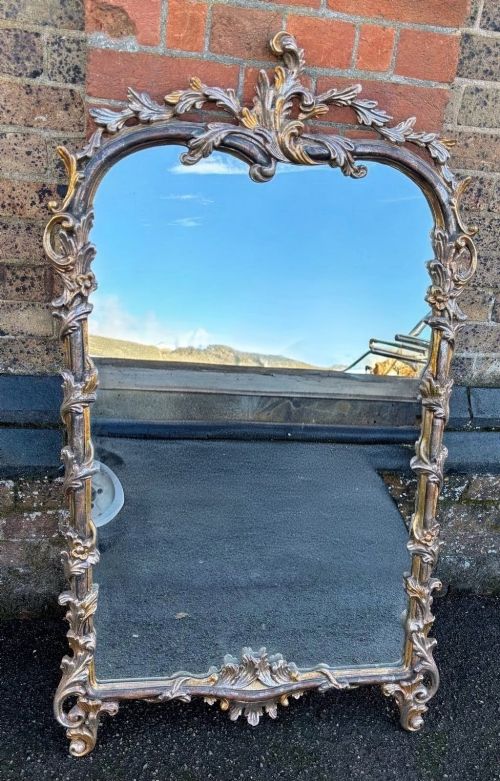
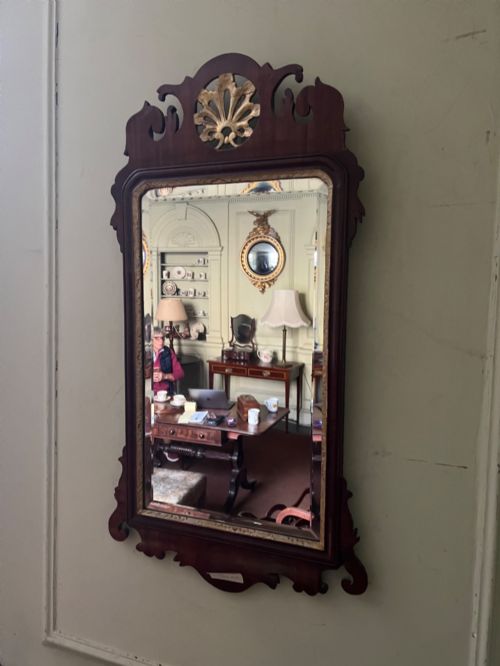
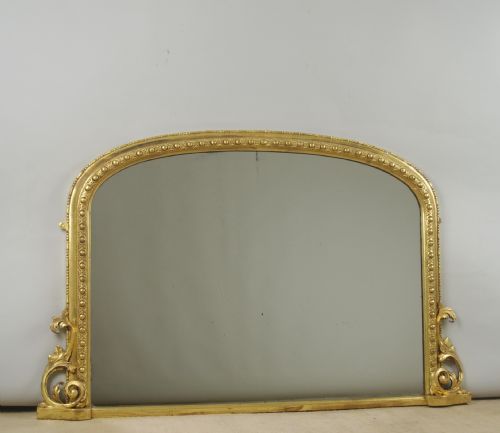
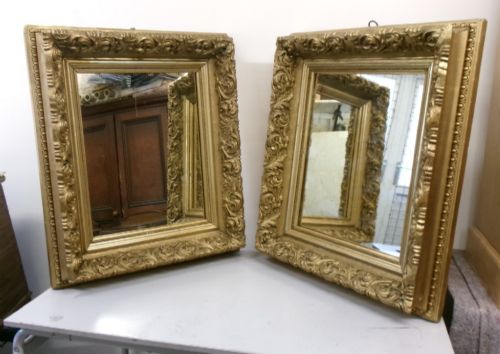
A scrolled gold mirror spans substantial wall mirrors for overmantels and pier glasses down to smaller dressing table and vanity pieces. These objects emerge from periods ranging across the eighteenth, nineteenth, and early twentieth centuries, drawing on regional traditions from Italy, France, England, and Spain.
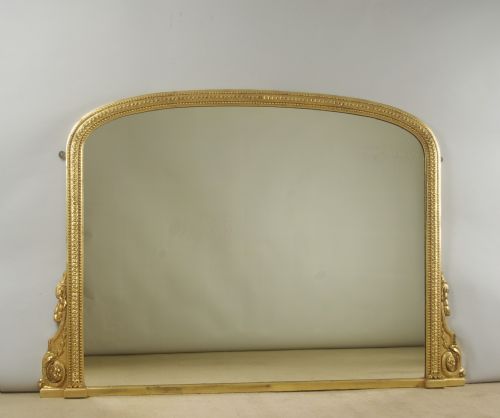
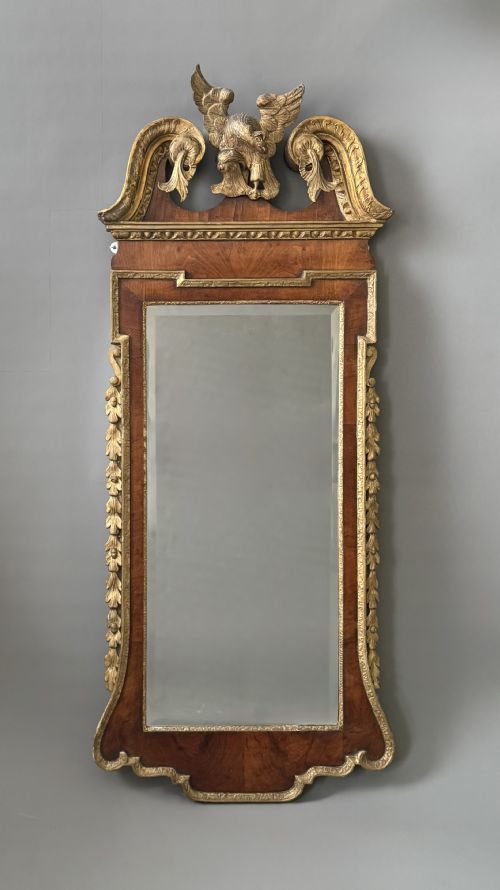
The version most commonly encountered in these listings is the large Victorian or French overmantel mirror featuring an arched top and ornate giltwood or gesso frame. Alongside these, buyers find eighteenth-century Georgian and Italian rococo examples defined by intricate carved scrolls and antique glass plates.
How they were made
Makers constructed the timber frames of these pieces using carved wood, composition, and gesso applied over a wooden base to build up three-dimensional scrollwork and relief detail. Artisans then applied gold leaf or paint to the prepared surface to achieve the characteristic metallic finish.
Mirrors incorporated glass plates, sometimes featuring hand-engraved designs or displaying the gentle foxing and age spots accumulated over centuries of use. Frames varied from solid carved giltwood to parcel-gilt walnut and gilded metal structures.
Scrolled Gold Mirror Retail Price Guide 2026
Typical asking prices for scrolled gold mirror among the pieces listed under this phrase on Sellingantiques today, from the lower quarter to the upper quarter. They describe what is for sale here now, not the wider market.
Some antique mirrors retain centuries of gentle silver oxidation, offering a soft reflection that quietly refuses to judge your morning hair.
What varies in quality
The distinction between tiers rests upon the depth and crispness of the hand-carved wooden relief versus moulded composition ornament. Pieces displaying fluid, deeply undercut scrollwork executed by skilled hands command greater appreciation than simpler mass-produced mouldings.
Quality also shows in the retention of original gilding and the character of the mirror plate itself. Intact gold leaf applied over bole exhibits a warmer, more nuanced reflection and patina than later repainted surfaces.
The Scrolled Gold Mirror Glossary
- Giltwood
- Wood that has been coated with a thin layer of gold leaf or gold powder. This finish provides a luminous and durable surface characteristic of fine antique frames.
- Gesso
- A plaster mixture applied to wooden frame bases as a smooth ground for gilding or to be moulded into relief decoration. It allows intricate scrollwork and detail to be shaped before applying gold leaf.
- Overmantel mirror
- A large mirror designed specifically to hang on the wall directly above a fireplace mantelpiece. These pieces often feature wide horizontal formats or tall arched tops.
- Pier glass
- A tall mirror intended to be hung on the narrow section of wall between two windows, known as a pier. They frequently sit above small console tables and amplify natural light within a room.
- Rococo
- An ornate artistic style characterised by asymmetrical curves, C-scrolls, S-scrolls, and naturalistic plant motifs. It heavily influenced European mirror frames during the eighteenth century and subsequent revival periods.
Scrolled Gold Mirror: Frequently Asked Questions
How do I hang a heavy antique mirror?
Large overmantel and pier glasses possess substantial weight due to their wooden frames and thick glass plates. Secure installation requires anchoring directly into wall studs or masonry using heavy-duty brackets suited to the load.
Professional hanging ensures the weight distributes safely across the wall structure, protecting both the antique frame and the surrounding plaster from strain.
How do I clean an antique gilt frame?
Dust accumulation on delicate gesso and gold leaf requires gentle removal using a soft, dry artist brush or ostrich feather duster. Moisture and chemical cleaners can dissolve historical finishes and lift the delicate metallic leaf.
Avoid rubbing the surface vigorously, as antique gilding thins with age and cleaning agents may strip the underlying preparation layers entirely.
Can I replace the glass in an old mirror?
Original mirror glass often displays foxing, silver loss, and distortion that contribute to the historical character and authenticity of the piece. Retaining the original plate preserves the visual integrity expected by collectors.
Replacement remains an option if the glass suffers structural breakage, though newer mirror plates will lack the soft reflections and age characteristics of period glass.
What is the difference between gesso and carved wood?
Carved wood frames feature ornamentation cut directly into the timber base by hand, producing sharp undercut details and natural grain variation. This method represents the highest standard of craftsmanship in antique frame making.
Gesso framing relies on moulded plaster applied over a simpler wooden substructure to simulate complex carving. While capable of intricate detail, moulded composition lacks the depth and tactile quality of hand-carved timber.