


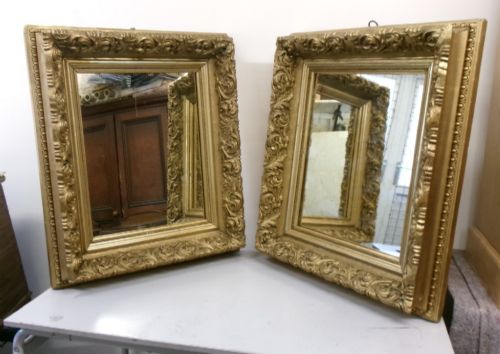
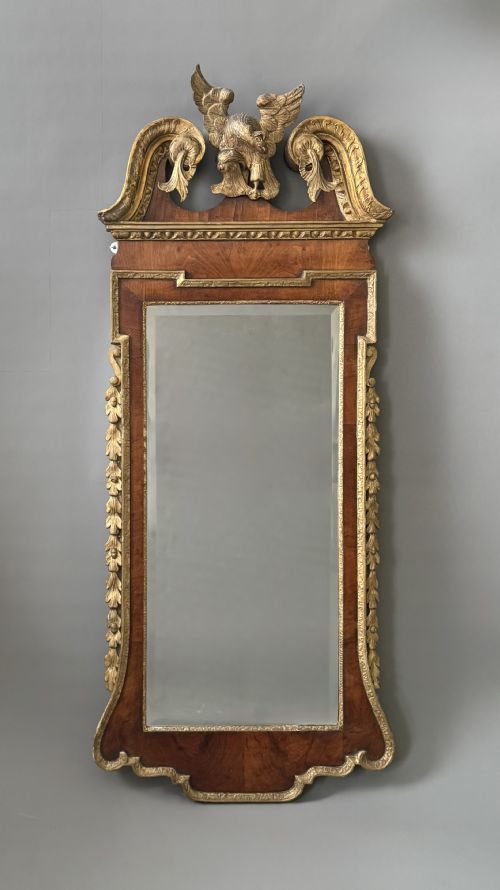

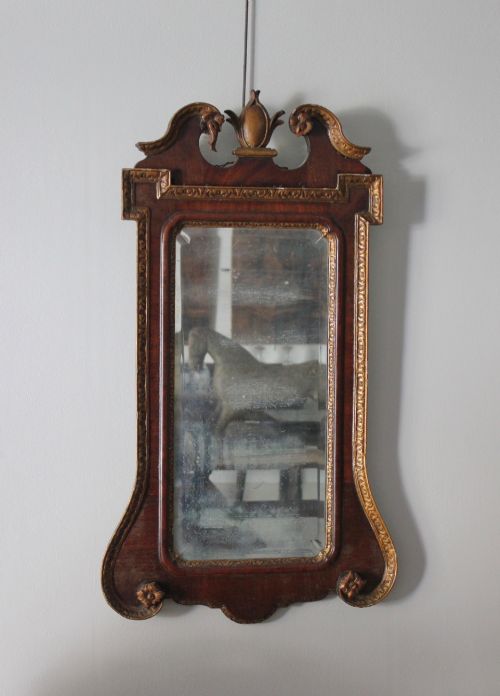


Scrolled Glass Mirror
A scrolled glass mirror brings reflective depth and intricate carved movement to a room, drawing the eye with its fluid outlines.
Scrolled Glass Mirror
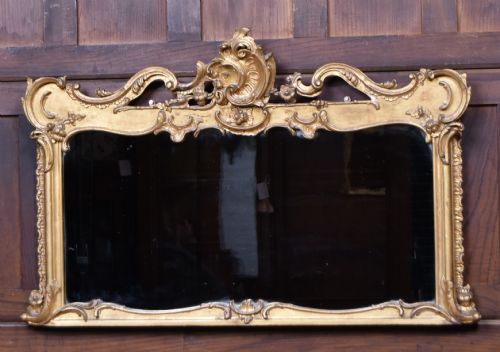
A scrolled glass mirror encompasses wall-hung pieces, overmantels, pier glasses, and freestanding dressing mirrors defined by curved and fretted outlines. These objects emerge from centuries including the Georgian and Victorian eras, alongside later revivals stretching into the twentieth century.
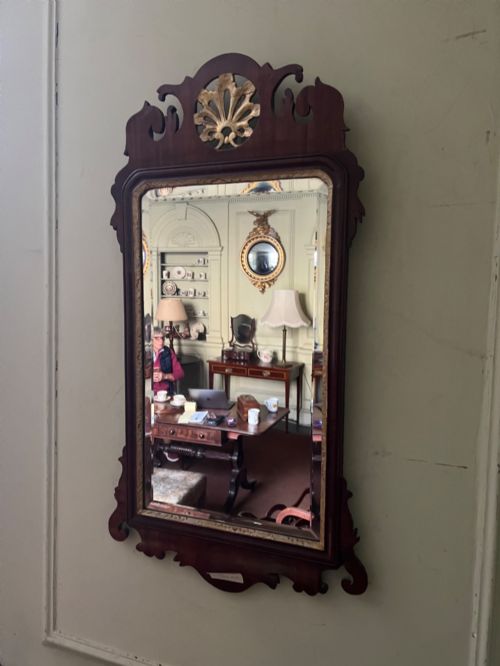
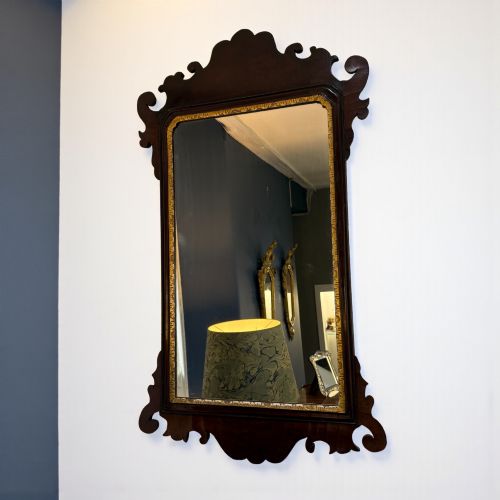
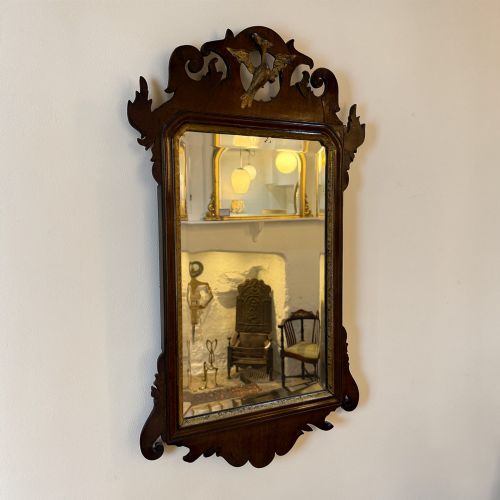
The most frequent examples encountered here are mahogany and giltwood wall mirrors bearing Chippendale style fretwork or Italian Rococo carvings. Buyers also find larger architectural overmantel mirrors and cheval glasses designed for bedrooms and reception rooms.
Makers utilised diverse woods like walnut, sycamore, and oak alongside gilded gesso, brass, and painted finishes. Regional variations span English workshops, Welsh origins, and continental Italian centres.
Materials and Construction Techniques
Timber frames rely on mahogany, walnut, and oak, frequently shaped through fretting and pierced joinery to achieve intricate scrollwork. Gilding application involves gesso layers beneath gold leaf or metal leaf to create luminous reflective borders.
Mirror plates range from early engraved or Vauxhall plates set with bevels to later cast glass. Backings typically employ pine or secondary timbers secured with traditional fixings.
Scrolled Glass Mirror Retail Price Guide 2026
Typical asking prices for scrolled glass mirror among the pieces listed under this phrase on Sellingantiques today, from the lower quarter to the upper quarter. They describe what is for sale here now, not the wider market.
Distinctions in Quality
The sophistication of the carved scrollwork and fretwork dictates the aesthetic standing of a piece, separating hand-tooled depth from mechanical uniformity. Crisp detailing in the gesso and retention of original gilding or polish elevate the object.
Originality of the mirror plate and structural integrity of the timber frame define desirability. Pieces retaining untouched surfaces and early glass plates hold greater historical coherence.
The Scrolled Glass Mirror Glossary
- Fretwork
- Ornamental patternwork perforated from thin wood panels using a fretsaw. This technique characterises Chippendale style mirrors.
- Giltwood
- Timber carved and subsequently coated with gold leaf over a prepared gesso ground. It provides a brilliant metallic finish.
- Overmantel Mirror
- A large horizontal mirror designed specifically to hang above a fireplace mantelpiece. These often feature arched tops and elaborate frames.
- Pier Glass
- A tall mirror intended to be hung on the pier, the solid wall space between windows. They frequently match console tables.
- Vauxhall Plate
- Early mirror glass characterised by thinness and slight imperfections, often featuring bevelled edges. Named after the historic London glasshouse.
Scrolled Glass Mirror: Frequently Asked Questions
Where should I hang a scrolled glass mirror?
These mirrors suit principal reception rooms, hallways, and above fireplaces where their reflective qualities maximise natural light.
Freestanding cheval mirrors and smaller dressing mirrors function effectively in bedrooms and dressing spaces.
How do I identify a Georgian mirror?
Georgian pieces typically employ mahogany or walnut with hand-cut fretwork panels and original timber backings.
Construction details, secondary woods, and signs of age on the mirror plate help confirm the period.
Are these mirrors heavy to hang?
Larger overmantel mirrors and heavy giltwood pier glasses possess substantial weight due to timber frames and thick glass plates.
Secure wall fixings anchored directly into structural masonry or studs are essential for safe support.
What does parcel gilt mean?
Parcel gilt describes an object partially gilded with gold leaf, leaving areas of natural wood grain visible.
This technique highlights specific carved details such as scrolls and foliage against a dark timber background.