

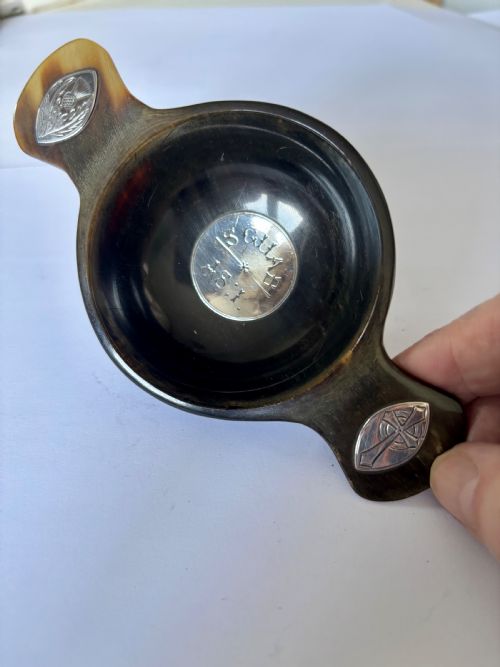


Scottish Thistle
These pieces carrying the scottish thistle antique motif draw on centuries of national symbolism, uniting practical silver and carved timber in tangible forms.
Scottish Thistle
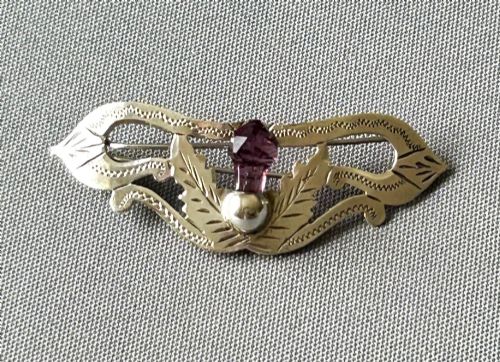
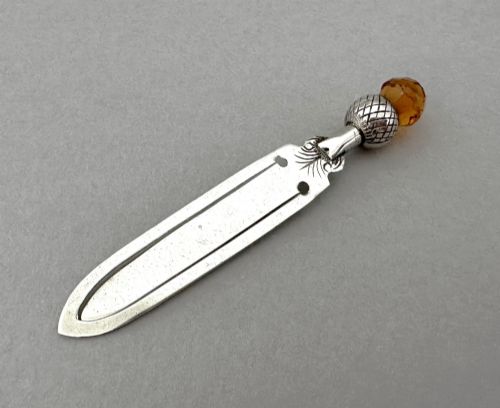
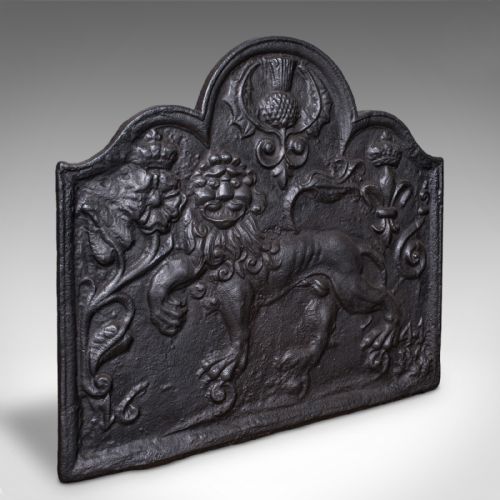
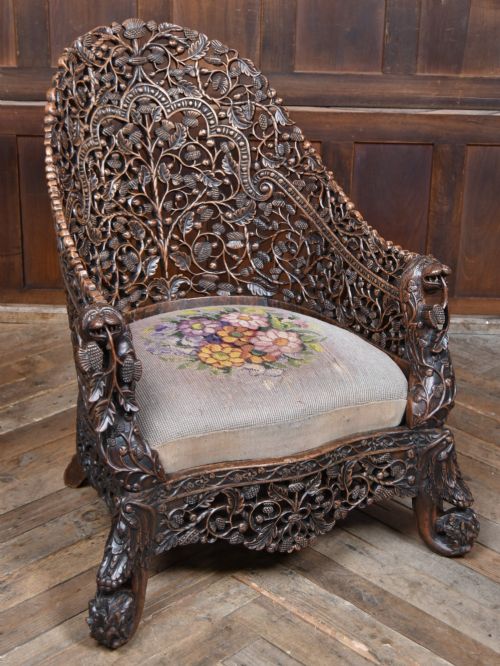
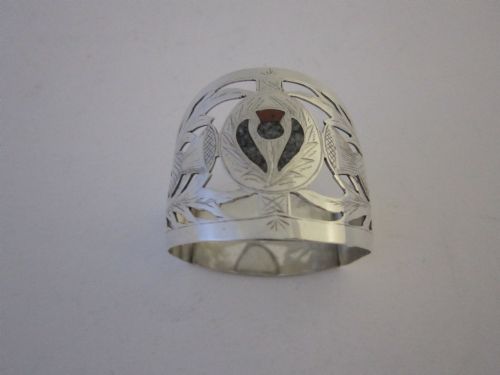
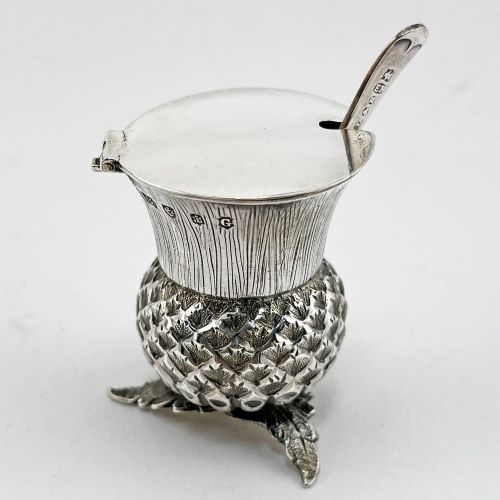
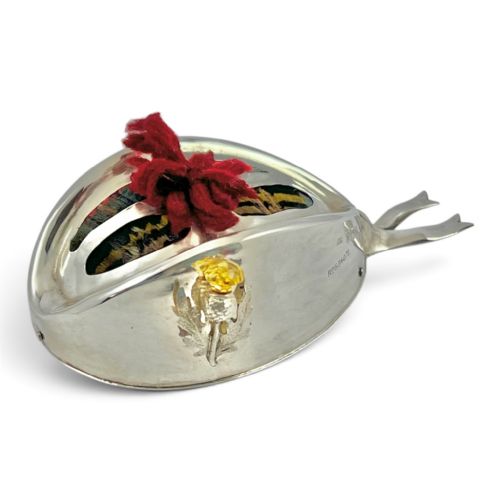
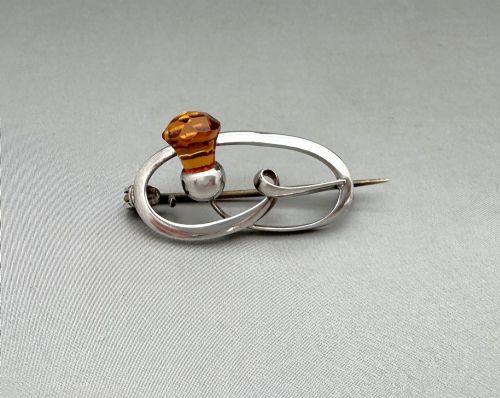
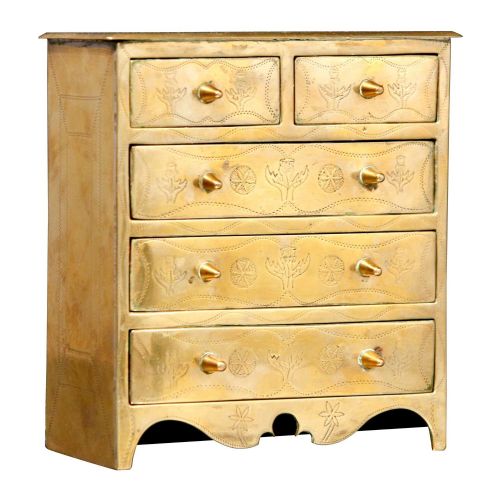
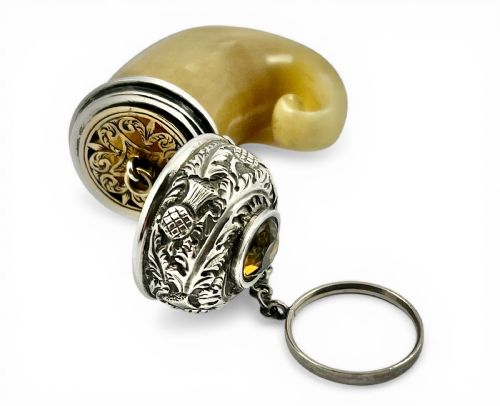
When you search for a scottish thistle antique, you encounter a varied assembly spanning functional objects, personal accessories, and substantial furniture. The pieces range from small personal items like bookmarks, hat pin holders, and vinaigrettes to larger domestic furnishings including oak wall racks, armchairs, and fire backs.
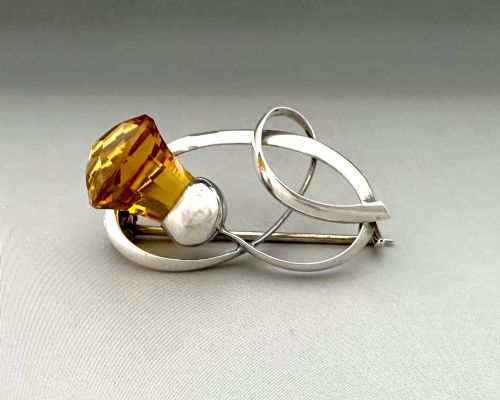
The objects most frequently met on this page belong to the Victorian and Edwardian periods, manifesting the widespread fashion for Scottish Revival design. Sterling silver and silver plate dominate the smaller items, often combined with natural elements like horn, citrine, and amber glass.
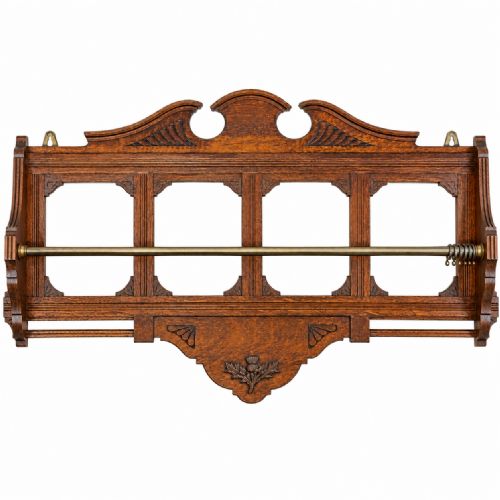
Furniture and larger wooden items demonstrate different expressions of the motif, through carved oak wall racks, wainscot armchairs, and pokerwork stools. These wooden pieces ground the lighter silver accessories in heavier domestic contexts, showing the thistle emblem carved into panels or inscribed with traditional mottoes.
What varies in quality
The standard of these items rests upon the crispness of the thistle carving and the precision of the metalwork detail. Pieces executed with sharp, deep relief in silver or timber reveal the hand of a more accomplished artisan than those with softer, worn contours.
Material selection dictates the upper tier of the range, particularly where natural embellishments like citrine stones, polished horn, or clear amber glass are integrated. The harmony between the functional purpose of the object and the sculptural rendering of the botanical motif governs the overall success of the piece.
Scottish Thistle Retail Price Guide 2026
Typical asking prices for scottish thistle among the pieces listed under this phrase on Sellingantiques today, from the lower quarter to the upper quarter. They describe what is for sale here now, not the wider market.
A nineteenth century pokerwork stool bears the defiant Lowland motto 'Touch me wha daur'.
Charles Horner·Crisford & Norris
The Scottish Thistle Glossary
- Quaich
- A traditional Scottish two-handled drinking vessel, often fashioned from silver-mounted horn or solid silver.
- Vinaigrette
- A small ornamental box containing a perforated grille, holding a sponge soaked in aromatic vinegar.
- Pokerwork
- A method of decorating wood or other materials by burning designs with a heated metal point.
- Glengarry
- A traditional Scottish cap of heavy milled wool, frequently pinned with a decorative silver bonnet badge.
- Sulphide
- A small ceramic cameo embedded within clear glass during manufacturing to create a silvery, reflective image.
Scottish Thistle: Frequently Asked Questions
What materials appear most often?
Sterling silver and oak form the backbone of these pieces, accompanied by brass, cut glass, and amber glass. Natural additions like citrine and polished horn frequently accent the metalwork.
Silver items range from small bookmarks and mustard pots to hat pin holders and napkin rings. Timber pieces include carved wall racks, humidors, and armchairs.
How do I date a piece?
Assay office hallmarks on silver objects provide the most reliable dating evidence, often naming specific towns and years of manufacture. Stylistic indicators like Art Nouveau curves or Victorian Gothic Revival mass help place unmarked items.
Periods span from the seventeenth century wainscot chair up through Edwardian and George V productions. The prevalence of Scottish Revival design strongly marks the nineteenth and early twentieth century examples.
Were these items made in Scotland?
Many pieces originate from Scottish silversmiths and workshops, while others emerge from English manufacturing centres like Birmingham. The aesthetic draws directly upon Scottish motifs and regional materials regardless of the specific production town.
Inscriptions and hallmarks often clarify the geographic origin of individual pieces. Provincial Scottish marks sit alongside standard English assay office stamps on the silver components.
How were smaller items used?
Personal accessories like hat pin holders, vinaigrettes, whistle charms, and bookmarks served daily domestic or grooming functions in Victorian and Edwardian households. Trinket boxes and keepsake cases held small valuables and personal notes.
Tableware items such as menu holders, napkin rings, and decanters performed practical duties during formal dining. Novelty pieces combined utility with decorative display, reflecting contemporary tastes for symbolic flora.