


Scottish Highland Silver
These pieces of scottish highland silver bring together traditional Highland forms and silverwork, offering a tangible link to northern craft history.
Scottish Highland Silver
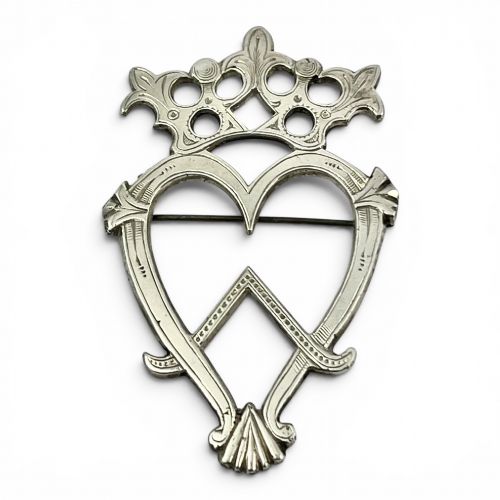
When you search for scottish highland silver, you encounter items rooted in nineteenth-century revivalism and earlier traditions. The selection encompasses brooches, kilt pins, dirks, snuff mulls, and desk stands.
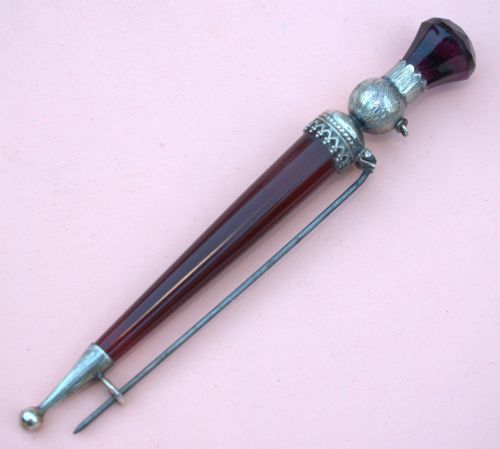
Brooches and kilt pins dominate the selection, frequently incorporating agate, jasper, and citrine stones. Alongside these personal ornaments, desk accessories and firearms reflect the broader material culture of the Highlands.
How they were made
Makers utilised sterling silver alongside organic materials like horn and oak to build durable desk stands, snuff mulls, and substantial brooches. Gemstones including agate, jasper, and citrine were cut and polished to adorn metalwork mounts.
Techniques combined traditional metal smithing with detailed stone setting, particularly in Victorian Scottish revival pieces. Iron and steel elements also appear in arms and edged pieces, demonstrating varied metalworking skills.
Scroll-butt flintlock pistols bring an unexpected touch of eighteenth-century weaponry into the quiet company of silver desk stands and snuff mulls.
What varies in quality
Quality rests in the precision of the silver mounting and the quality of the inset stones. Well-executed pieces display balanced proportions and secure setting of agates or citrines.
The distinction between standard production and superior examples lies in the crispness of the chasing and the depth of the engraving on the silver. Finer items exhibit careful attention to detail across both metal and stone.
John Campbell of Doune·John Hart of Iona
The Scottish Highland Silver Glossary
- Snuff mull
- A container for holding powdered tobacco, typically fashioned from horn and mounted in silver. These items were widely used in the eighteenth and nineteenth centuries.
- Agate
- A variety of chalcedony quartz often cut and polished for jewellery mounts. It appears frequently in Victorian Scottish revival brooches.
- Dirk brooch
- A large brooch styled after the traditional Highland dagger or dirk. These pieces often incorporate basket-hilt motifs and coloured stones.
- Citrine
- A yellow variety of quartz valued for its bright colour in jewellery settings. It is frequently paired with silver and agate in regional brooches.
Scottish Highland Silver: Frequently Asked Questions
What is scottish highland silver?
Scottish highland silver encompasses items of silver jewellery, desk wares, and accessories linked to Scottish traditions. These objects date from the eighteenth century through the twentieth century.
Many pieces incorporate local stones such as agate and citrine, reflecting the Victorian revival of Highland themes. The category ranges from kilt pins to snuff mulls.
How were snuff mulls used?
Snuff mulls served to hold and dispense snuff among company. They were passed around during social gatherings.
Constructed from horn and mounted in silver, these containers combined utility with decorative regional craftsmanship.
How do I style a kilt pin brooch?
Kilt pin brooches function both as traditional fastenings for Highland dress and as decorative cloak or lapel pins. They secure heavy fabrics through substantial pin mechanisms.
Displaying them on heavier wool garments or shawls highlights their size and stone settings.
How to tell Victorian pieces apart?
Victorian Scottish items often feature characteristic revival styles, intricate silver work, and specific stones like Montrose agate. Makers utilised sterling silver alongside organic elements.
Examination of the mounting techniques and accompanying hallmarks helps identify the period of manufacture.