


Scottish Country House Antiques
Scottish country house antiques bring the robust character of northern estates straight into your interior through oak, brass, and oil paintings.
Scottish Country House Antiques
Scottish country house antiques encompass the substantial furniture, oil paintings, and taxidermy that furnished northern estates and Highland lodges.
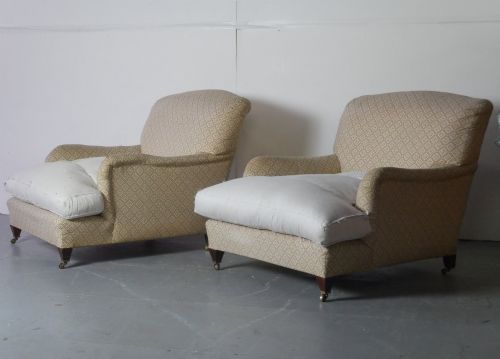
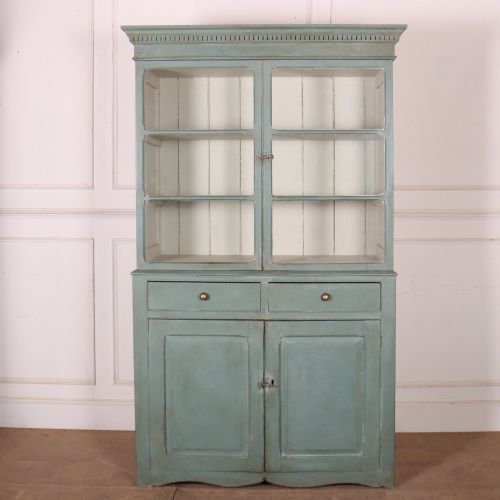
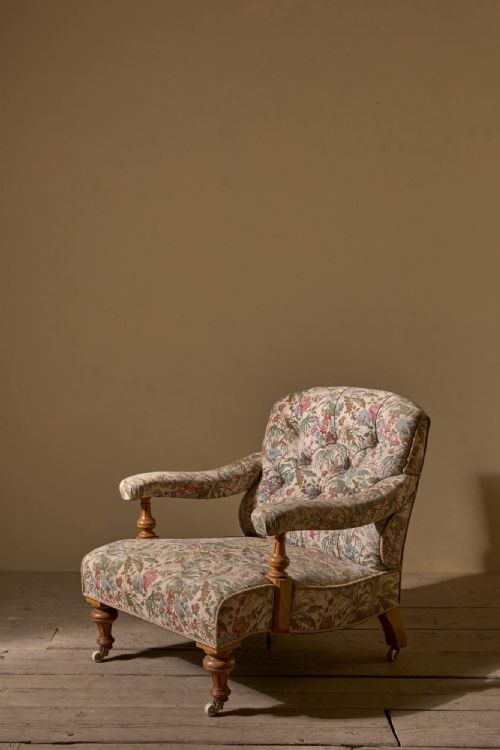
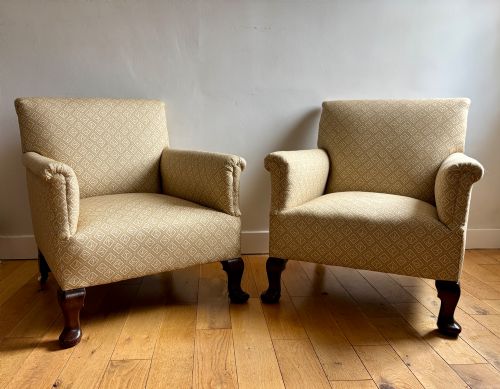
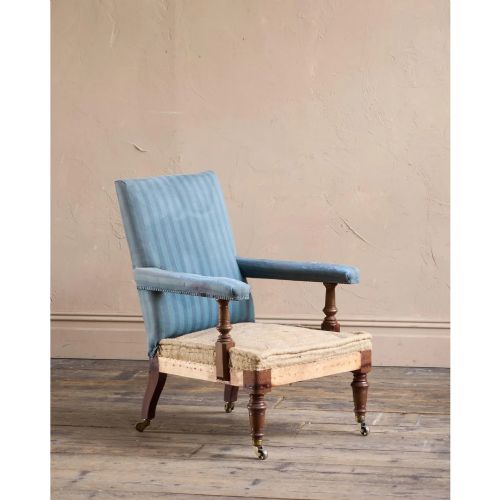
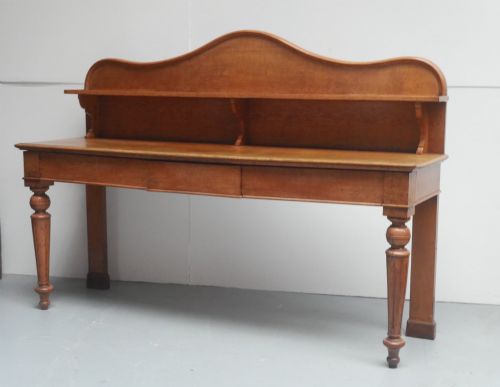
Armchairs, oak serving tables, and glazed kitchen cabinets form the core of what appears in this selection.
Pieces span the nineteenth century through the early twentieth century, reflecting traditional Scottish tastes and rustic country styles.
How they were made
Cabinet makers utilised dense hardwoods like oak, mahogany, and satin birch to build furniture designed for heavy daily use.
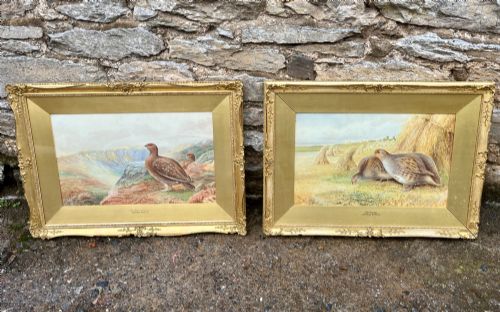
Artists worked in oil and watercolour on canvas and paper to capture Highland landscapes, game birds, and working dogs.
Taxidermy mounts preserve stags and roe deer using traditional preservation methods suited to shooting lodges.
A stag horn cribbage board sits ready for evening card games by the lodge fire.
What varies in quality
The distinction between ordinary utility items and exceptional pieces often rests upon the maker, evidenced by known workshop brands like Whytock and Reid or Morison and Co.
Material selection dictates much of the value, distinguishing simple pine or mixed woods from finely figured oak, satin birch, and walnut.
Artistic skill separates standard topographical records from masterful oil paintings by listed artists such as Charles Jones or George Rankin.
Whytock and Reid·Morison and Co·George Rankin·T.M Baynes·Charles Jones·GW Horlor·Robert Cleminson·Wheelers of Arncroach·William Crampton·Stephen Elmer
The Scottish Country House Antiques Glossary
- Demi-lune
- Half-moon shaped, commonly used to describe console tables and hall stands designed to fit flush against a wall.
- Tilt top
- A table mechanism allowing the surface to pivot vertically when not in use, saving floor space in busy estate rooms.
- Flatback
- A ceramic figure glazed on the front and sides with a flat unglazed reverse, typical of nineteenth-century mantel ornaments.
- Cribbage board
- A scoring board for the card game cribbage, frequently carved from materials such as stag horn in sporting estates.
Scottish Country House Antiques: Frequently Asked Questions
What defines Scottish country house furniture?
These items are characterised by heavy timbers, notably oak and mahogany, built for practical service in northern estates and shooting lodges.
Designs favour utility and comfort, ranging from sturdy armchairs to extensive serving tables and sideboards.
How do I care for nineteenth-century oak?
Maintain solid oak surfaces by applying appropriate natural waxes sparingly and buffing with a soft cloth to nourish the grain.
Keep pieces away from direct heat sources and strong sunlight to prevent the timber from splitting or drying out.
Where were these pieces originally used?
Items originated in domestic interiors across Scottish estates, from the grand reception rooms of country houses to estate manager offices.
Smaller objects like horn cribbage boards and snuff boxes belonged in drawing rooms and smoking parlours.
How do I identify a Victorian oil painting?
Nineteenth-century canvases often feature regional wildlife, sporting dogs, or Highland landscapes signed by period artists.
Examine the stretcher frames and canvas texture at the rear for signs of age and original framing materials.