




Scottish Ceramic Art
These pieces of scottish ceramic art bring enduring character to a room, spanning rustic folk traditions and master pottery.
Scottish Ceramic Art
You are most likely to meet earthenware and slipware items alongside painted pieces from notable potteries like Wemyss and Seaton. These works range from primitive folk figures to detailed commemorative pieces.
The aesthetic bridges domestic utility and artistic expression, utilising glazes and enamel to create lasting visual appeal. Collectors find pieces dating from the eighteen-hundreds up to nineteen-fifty.
Materials and methods
Makers utilised earthenware as the primary base material, shaping vessels and figures by hand or using traditional moulds. These clay bodies were then finished with lead glazes and slip to create smooth, protective surfaces.
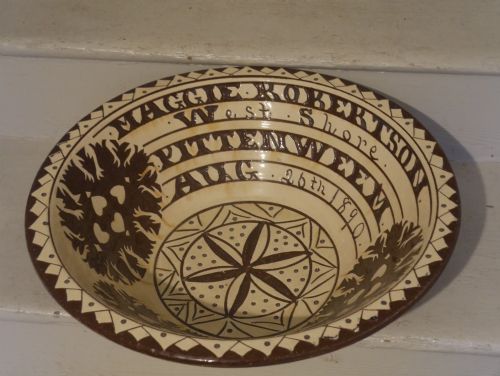
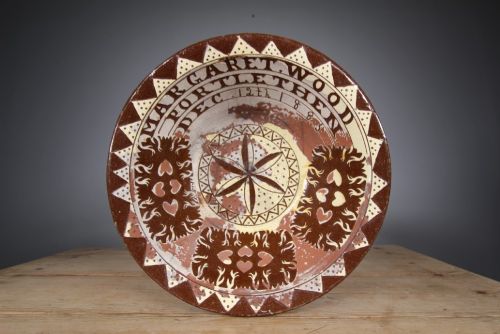
Decoration relied heavily on painted enamel and slip trailing, often featuring floral motifs or commemorative text applied directly to the wet clay or fired surface. The firing process fixed the pigments and glazes, resulting in durable domestic items and decorative art.
Scottish Ceramic Art Retail Price Guide 2026
Typical asking prices for scottish ceramic art among the pieces listed under this phrase on Sellingantiques today, from the lower quarter to the upper quarter. They describe what is for sale here now, not the wider market.
One historic figure depicts a brave lady riding a horse in traditional primitive style.
Judging quality and execution
Quality in these ceramics rests on the precision of the hand-painting and the stability of the glaze application. Pieces featuring crisp brushwork and well-defined slip trailing stand apart from simpler, heavier productions.
The artistic merit of the decoration, particularly in floral arrangements or figurative details, dictates the standing of an individual piece within its period.
Seaton Pottery·Wemyss·Royal Worcester
The Scottish Ceramic Art Glossary
- Slipware
- Earthenware decorated with a mixture of clay and water applied before firing. This technique creates raised patterns and smooth surfaces.
- Lead glaze
- A shiny coating applied to pottery to seal the porous clay body. It gives ceramics a glossy finish and protects the painted decoration underneath.
- Portobello
- A pottery production centre known for regional figures and plaques. Pieces from this origin often show distinct folk art characteristics.
- Spill vase
- A small cylindrical holder designed to keep wooden tapers near a fireplace. These decorative items were common in Victorian households.
Scottish Ceramic Art: Frequently Asked Questions
What periods do these ceramics cover?
The pieces span from the late eighteenth century through the Victorian and Edwardian eras, extending into mid-century modern examples.
Most items date from the nineteenth and early twentieth centuries, reflecting changing pottery techniques over time.
How were slipware bowls used?
Dairy bowls and decorative vessels served practical functions in rural kitchens and farmhouses before becoming display items.
Their robust earthenware construction made them suitable for everyday food preparation and storage.
Where were Portobello figures made?
Portobello figures originated from potteries operating in the Portobello district near Edinburgh. These works often depicted regional subjects and animals.
They represent a distinct branch of Scottish folk art from the eighteen-hundreds.
How do I identify Wemyss pottery?
Wemyss pieces are recognised by their hand-painted floral decoration, particularly cabbage roses, on white earthenware blanks.
They often bear specific factory stamps or painted signatures on the base.