





Scientific Instrument Box
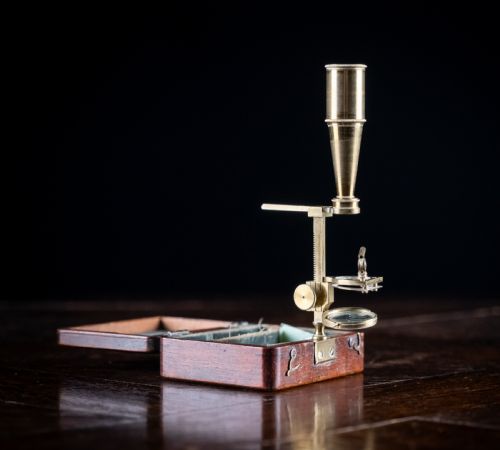
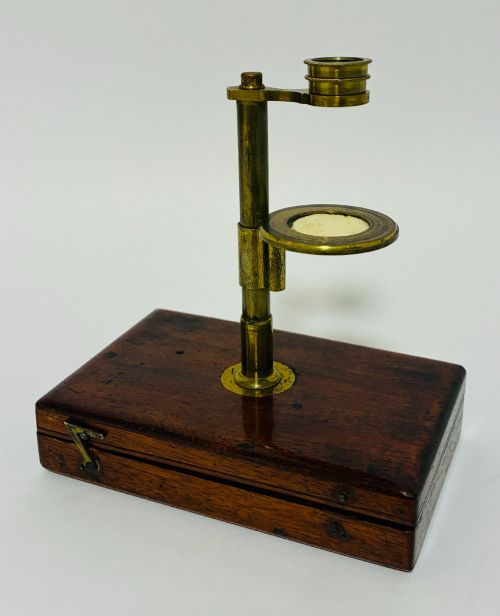
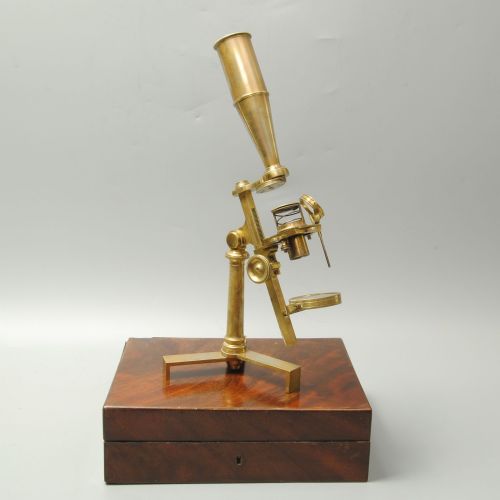
A scientific instrument box protects precision mechanics and optics, housing everything from pocket compasses to field microscopes in fitted wooden compartments.
Scientific Instrument Box
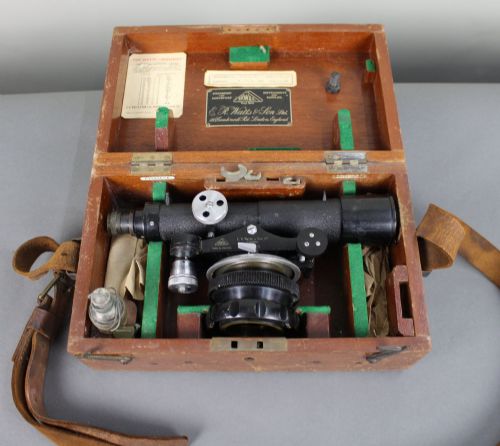
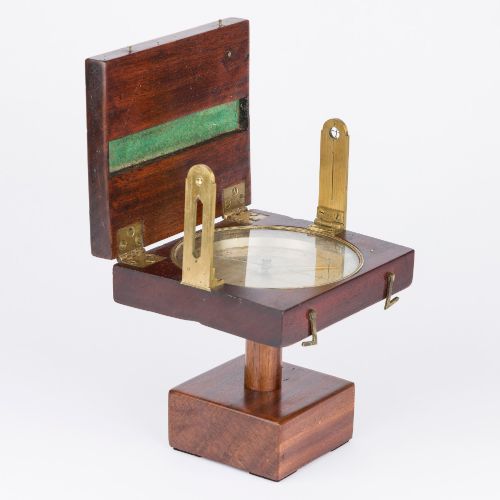
A scientific instrument box encompasses fitted enclosures made to safeguard delicate apparatus during transport and storage. When searching for a scientific instrument box, collectors encounter mahogany and leather cases designed for surveyors, opticians, and navigators.
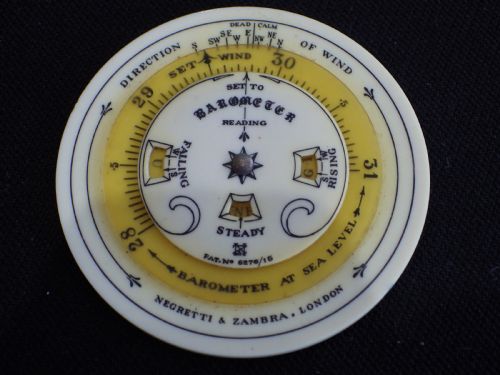
The pieces on this page span the Georgian, Victorian, and Edwardian eras up to the mid twentieth century. They include housings for microscopes, compasses, barometers, and specialised measuring tools.
Most examples combine durable exterior timber with tailored internal beds lined in velvet or paper. These housings preserve the accuracy of precision instruments by preventing movement and dampness.
How They Were Made
Cabinetmakers constructed these enclosures predominantly in solid mahogany, selected for stability and resistance to warping. Brass fixtures, including hinges, drop handles, and locking clasps, secure the lids and reinforce the corners against heavy field use.
Interiors rely on custom fitted wooden blocks and partitions lined with velvet, leather, or patterned paper to cushion fragile glass and metal components. Maker labels often appear pasted inside the lid, detailing the retailer or scientific supplier.
Scientific Instrument Box Retail Price Guide 2026
Typical asking prices for scientific instrument box among the pieces listed under this phrase on Sellingantiques today, from the lower quarter to the upper quarter. They describe what is for sale here now, not the wider market.
Listings feature mahogany, brass, and glass alongside specialised travel containers lined in velvet and leather.
What Varies in Quality
Quality rests upon the precision of the internal carpentry and the integrity of the fitted compartments. Superior examples maintain every original partition, sliding tray, and bone or ivory adjustment tool without replacement.
The execution of exterior brasswork and the preservation of original French polish or leather bindings dictate collector value. Finer boxes utilise dovetailed joints and incorporate locking mechanisms with functioning keys.
E.R. Watts & Son Ltd·De Grave Short & Co·G. Davis of Leeds·Cary London·L Casella & Co·Robert Brettell Bate·Negretti & Zambra·Samuel Porter·Cooke Troughton & Simms·Henri de Magnac·Stanley London·Oertling·Swift & Son·Thomas Harris & Son·F. Robson Newcastle·John Lilley & Son London·John Newman of Regent Street
The Scientific Instrument Box Glossary
- Chondrometer
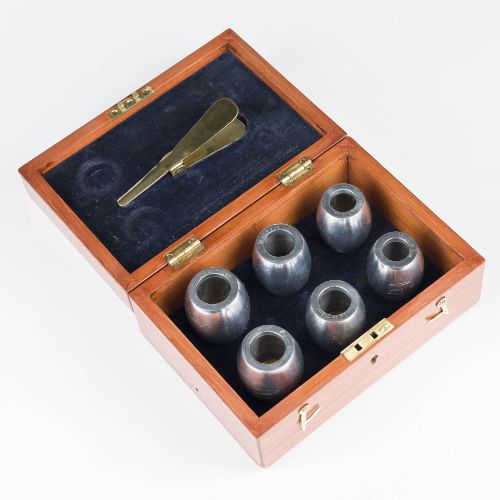
- An instrument used for measuring the density or weight of grain. These devices typically reside in fitted wooden boxes complete with balancing weights.
- Clinometer
- A tool for measuring angles of slope or tilt relative to gravity. They frequently accompany surveying levels inside fitted leather or mahogany cases.
- Barograph
- A recording meteorological instrument that graphs barometric pressure over time. These mechanisms are housed in glazed mahogany cases with clockwork drums.
- Hydrometer
- A device for measuring the specific gravity of liquids based on buoyancy. Sikes hydrometer sets include brass floats and graduated ivory scales secured in velvet lined slots.
- Artificial horizon
- A device used in navigation to establish a horizontal plane when the natural horizon is obscured. Black glass sets require careful housing to prevent surface scratching.
Scientific Instrument Box: Frequently Asked Questions
How do I date a wooden instrument box?
Dating relies on timber selection, construction methods, and hardware styles. Georgian and Regency examples often feature unpretentious mahogany construction with flush brass lifting rings.
Victorian and Edwardian versions introduce more complex multi drawer slide cabinets and elaborate corner brasswork. Maker signatures and retailer paper labels inside the lid also provide precise chronological markers.
Are original instruments usually included?
Many listings present the box alongside its original scientific apparatus, such as working compasses, thermometers, or hydrometer sets. Some containers survive independently as collector cabinets for slides or small specimens.
When the original contents remain intact, they match the exact contours of the internal velvet or wooden beds. Checking for matching serial numbers on both the instrument and the case confirms original pairing.
How should I clean the mahogany exterior?
Maintain the polished wood surfaces using a soft, dry cloth to remove dust. Avoid harsh chemical cleaners or modern silicone polishes that can degrade nineteenth century finishes.
Leather bindings and velvet linings require gentle care with a dry brush to clear debris. Preserving the natural patina protects the historical integrity of the housing.