



Scandinavian Wood Box
These scandinavian wood box pieces bring rustic utility and folk charm to an interior, built from honest pine and birch for everyday storage.
Scandinavian Wood Box
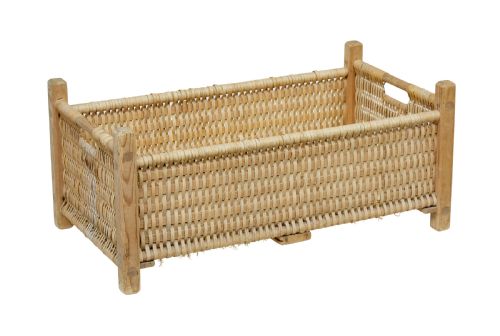
When you search for a scandinavian wood box, you encounter robust storage pieces originating mainly from Sweden during the eighteenth and nineteenth centuries. These items range from small table boxes and strong boxes to larger log bins, chests, and hand woven baskets.
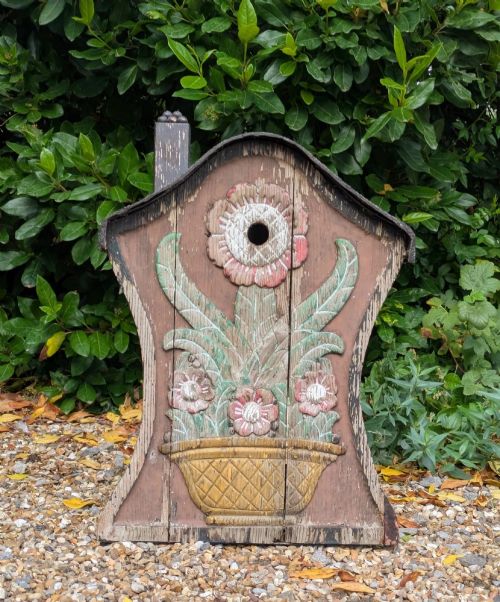
The most common examples on this page are nineteenth century painted pine pieces, alongside earlier eighteenth century folk art marriage boxes. Makers utilised native timber to construct functional containers that often featured painted decorations, wrought iron hardware, or intricate burr birch veneers.
Materials and construction
Pine serves as the primary structural timber for the majority of these pieces, shaped into solid boxes, chests, and storage bins. Carpenters reinforced these containers with iron, wrought iron, or brass hinges and locks for daily utility.
Surface finishes define many of these items, employing traditional paints to decorate pine surfaces. Artisans also worked with specialised woods like burr birch and pollard birch root for smaller tabletop boxes.
Scandinavian Wood Box Retail Price Guide 2026
Typical asking prices for scandinavian wood box among the pieces listed under this phrase on Sellingantiques today, from the lower quarter to the upper quarter. They describe what is for sale here now, not the wider market.
Current listings feature items spanning the eighteenth and nineteenth centuries, constructed predominantly from pine with painted finishes.
Factors of quality
The distinction between standard containers and superior examples lies in the survival of original painted surfaces and folk art decoration. Pieces that retain their early pigment, whether dark or patinated, display greater artistic merit.
Construction details such as hand woven pine splints or complex decorative motifs like labyrinths elevate certain pieces above basic utilitarian storage. The choice of finer woods like burr birch also marks out smaller tabletop items.
The Scandinavian Wood Box Glossary
- Pine
- A softwood commonly used throughout Scandinavia for domestic furniture and storage due to its abundance. It accepts paint readily and forms the core material of most traditional boxes.
- Burr Birch
- A timber growth displaying distorted grain patterns, highly valued for decorative veneers on smaller tabletop boxes. It creates a mottled, textured appearance on the wood surface.
- Strong Box
- A heavily constructed container reinforced with iron straps or brackets designed to secure valuables. These often feature robust locking mechanisms.
- Marriage Box
- A traditional celebratory container given as a gift, frequently decorated with folk art motifs and specific dates. They represent important milestones in rural communities.
- Pollard Birch Root
- Timber taken from the root system of pollarded birch trees, showing dense and complex grain formations. It was utilised for small specialist items like tobacco boxes.
Scandinavian Wood Box: Frequently Asked Questions
What is a scandinavian wood box used for?
These boxes served practical purposes in historic rural homes, from holding cutlery and documents to storing logs by the hearth or securing valuables.
Today, collectors use them primarily as accent pieces for storage or display, bringing texture and historical character into modern living spaces.
How do I date a painted pine box?
Dating relies on examining the construction methods, the type of hardware used, and the composition of the paint layers.
Eighteenth century examples often show distinct folk art patterns like marriage motifs, whereas nineteenth century pieces frequently utilise simpler painted finishes or pine construction.
Are these pieces made from solid wood?
Most items utilise solid native timbers, particularly pine for larger chests, bins, and strong boxes. Carpenters built these containers to withstand heavy daily use in domestic settings.
Smaller tabletop variants sometimes incorporate decorative veneers such as burr birch over a solid carcase to provide visual contrast.
How do I care for antique painted wood?
Protect the surface by keeping the wood away from direct sunlight and maintaining stable humidity levels in the room. Excessive heat can cause pine to dry out and paint to flake.
Dust the container gently with a dry cloth and avoid applying modern chemical polishes that might damage historic painted finishes.