




Scandinavian Display Cabinet
A scandinavian display cabinet brings light and clean proportion to a room, housing your books and objects behind clear glass.
Scandinavian Display Cabinet
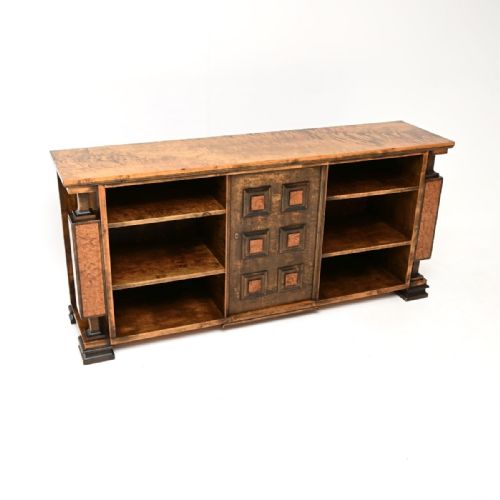
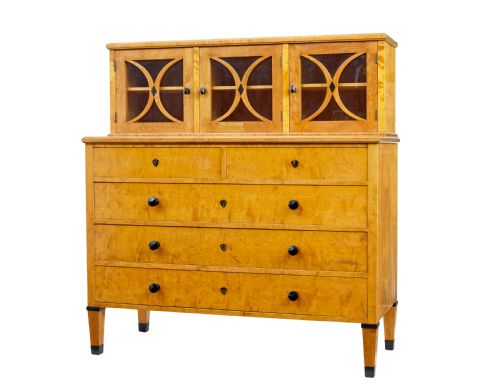
When you search for a scandinavian display cabinet, you meet timber pieces built to exhibit household belongings while keeping them protected. The forms range from tall corner cupboards and bookcases to low open bookcases and cabinets on chests.
The versions you are most likely to encounter on this page date from the nineteenth century and the early twentieth century. They draw upon Swedish country, folk art, Gustavian, Neoclassical, Swedish Grace, Danish Biedermeier, Art Nouveau and Art Deco traditions.
Many of these pieces originate from Sweden and Denmark, reflecting the distinct craftsmanship of northern Europe. You will find items shaped by nineteenth century utility alongside glazed cabinets from nineteen hundred and nineteen ten.
How they were made
The makers of these cabinets utilised a variety of native and imported timbers, pairing structural softwoods like pine with decorative veneers including satin birch, burr elm, flame mahogany and walnut.
Glazing is central to the display function, fitted into doors that reveal the shelves within. Iron and brass hardware such as hinges and locks provide functional articulation, while painted surfaces appear on folk art and country pieces.
Scandinavian Display Cabinet Retail Price Guide 2026
Typical asking prices for scandinavian display cabinet among the pieces listed under this phrase on Sellingantiques today, from the lower quarter to the upper quarter. They describe what is for sale here now, not the wider market.
Listings feature pine, satin birch, burr elm and flame mahogany across nineteenth century and early twentieth century periods.
What varies in quality
The distinction between a standard piece and a superior example lies in the choice of timber and the handling of decorative details. Figured veneers like flame mahogany or burr elm elevate the surface texture far beyond simple painted pine.
Proportion and stylistic execution also determine the standing of a cabinet. Clean neoclassical lines or precise art deco geometry demonstrate a higher level of design ambition than basic utility cupboards.
Sandberg & Co
The Scandinavian Display Cabinet Glossary
- Bonnet top
- A hooded or curved upper cornice that softens the rectangular profile of a tall cabinet. This shape appears frequently on nineteenth century pieces.
- Glazed
- Fitted with glass panes to enclose shelves while permitting visibility of the contents. Danish corner cupboards utilise this technique.
- Satin Birch
- A pale, lustrous timber native to northern regions used extensively for decorative veneers on art deco and twentieth century furniture.
- Flame Mahogany
- A richly figured mahogany veneer displaying a distinctive flickering pattern across the surface of mid nineteenth century cabinets.
Scandinavian Display Cabinet: Frequently Asked Questions
What rooms suit a scandinavian display cabinet?
These cabinets suit living rooms, dining spaces and libraries where books and decorative objects benefit from glass protection. Their pale timbers and clean lines brighten dark corners without overwhelming the floor space.
The vertical height of tall bookcases and bonnet top pieces draws the eye upward, while low open bookcases function well beneath windows or along shorter walls.
How do I identify a gustavian cabinet?
Gustavian pieces draw inspiration from French neoclassical design interpreted through a restrained Swedish lens. Look for symmetry, fluted columns and pale painted finishes.
Decoration remains subtle, relying on carved rosettes and simple moulding rather than heavy ornamentation.
Are nineteenth century cabinets sturdy?
Nineteenth century cabinets rely on solid construction methods including dovetailed joints and pegged framing. Pine carcases and hardwood veneers endure well with sensible placement away from direct heat sources.
Heavier items like mahogany and birch cabinets require careful leveling on uneven floors to ensure doors hang straight and latches engage correctly.
What is the difference between art deco and folk art pieces?
Art deco pieces from the nineteen thirties favour sleek geometry, burr elm or satin birch veneers and streamlined horizontal or vertical lines. They represent a modern, sophisticated shift in Scandinavian design.
Folk art and country pieces lean towards painted pine surfaces and traditional regional forms that reflect earlier rural domestic life.