




Scandinavian Chairs
Scandinavian chairs bring architectural poise and warmth into a room, spanning rustic pine country pieces to sleek birch Art Deco designs.
Scandinavian Chairs
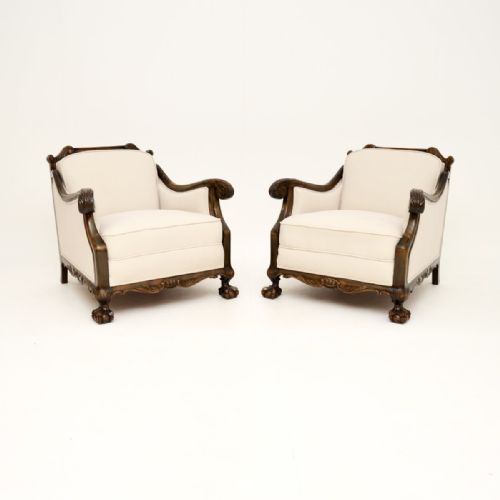
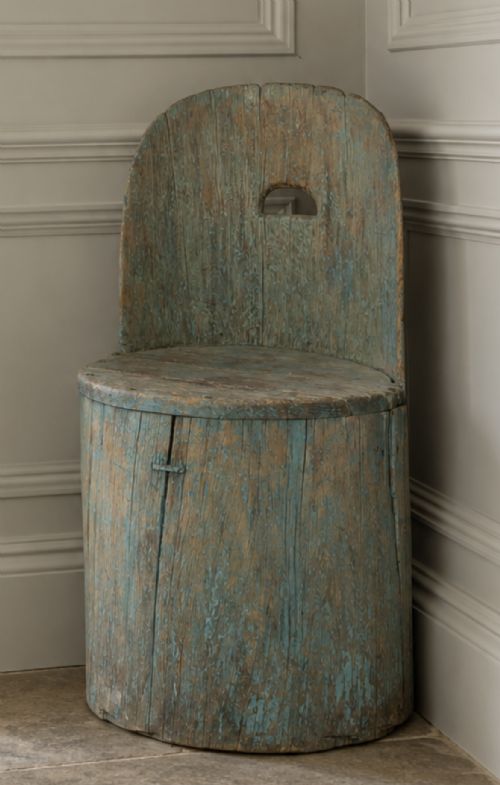
When you search for scandinavian chairs, you encounter a remarkably diverse range of seating originating primarily from Sweden across the nineteenth and twentieth centuries. These encompass heavy rustic pine dug out chairs, children's highchairs, rocking chairs, and substantial living room suites alongside refined dining sets.
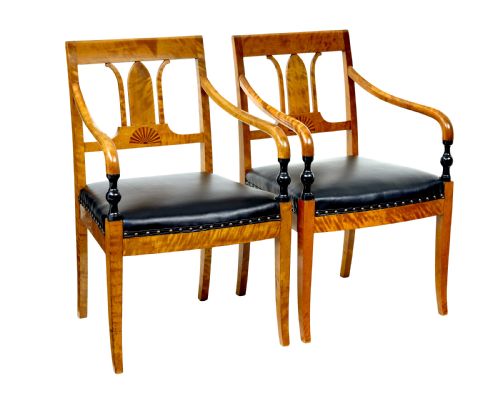
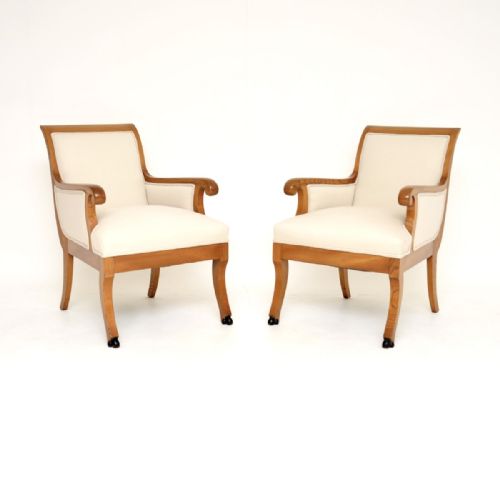
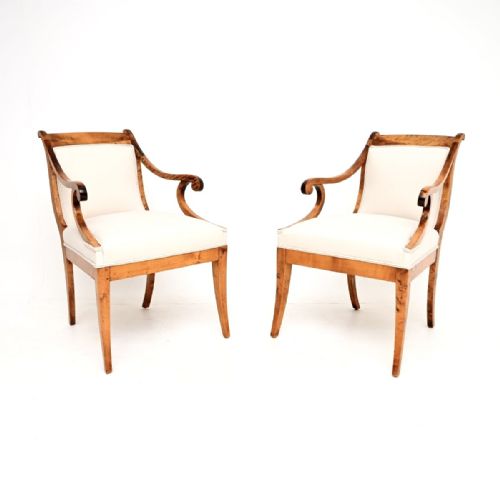
The most common examples on this page are nineteenth century armchairs and seating executed in birch, satin birch, or painted finishes. Buyers frequently find pairs of armchairs reflecting specific regional movements like Gustavian, Biedermeier, and Swedish Folk Art.
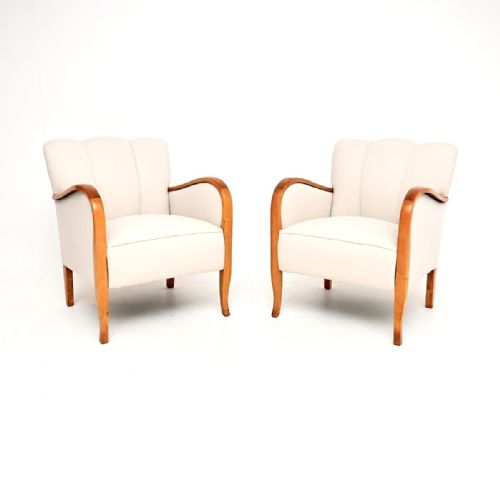
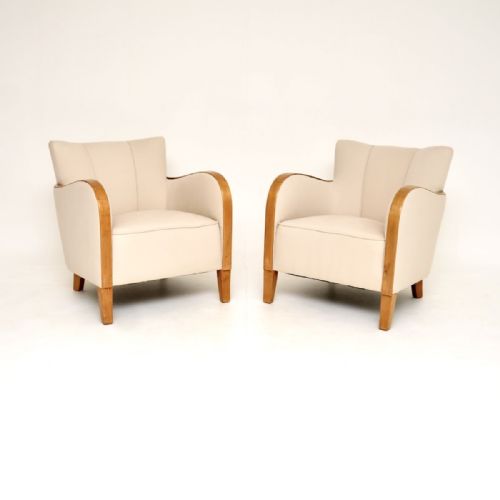
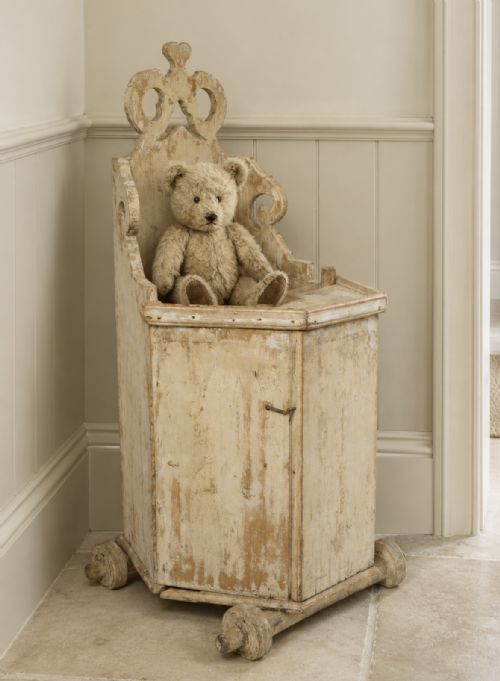
The selection ranges from early nineteenth century country throne chairs with turned bobbin details to structured Art Deco lounge chairs from nineteen thirty. Seating varies from intimate nursing chairs and child's armchairs to large sofas and settees.
How they were made
Makers utilised native Scandinavian timbers such as birch, satin birch, pine, elm, and burr birch, often combining solid woods with veneered surfaces on structured frames. Ebonised detailing and carved elements frequently accent the pale wood grains.
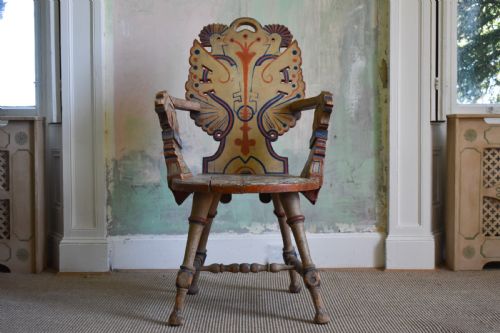
Many pieces display traditional hand painted finishes in original pigments, whilst others rely on exposed polished wood to highlight the figuring of the grain. Upholstered forms integrate traditional fabric and leather coverings secured to sprung or webbed bases.
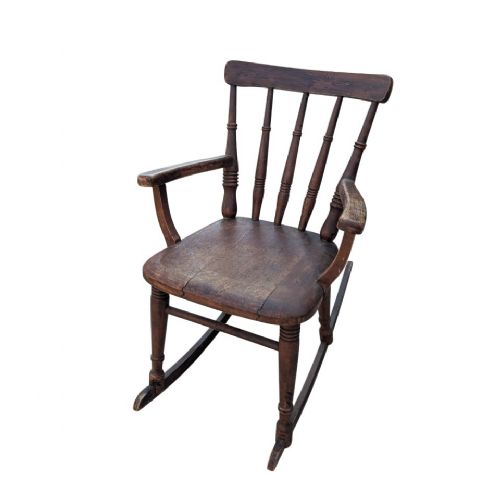
A solitary child's rocking chair quietly preserves the exact hand-carved swing intended for a Victorian nursery.
What varies in quality
The distinction between standard domestic seating and the finest examples rests upon the precision of the cabinetwork and the choice of timber figuring, such as heavily patterned satin birch or burr birch veneers. Art Deco and Neoclassical pieces demonstrate architectural restraint and sophisticated proportions that elevate them above simpler vernacular forms.
Condition and originality dictate much of the standing of an antique, particularly whether painted surfaces survive in their original state or have been altered over time. The integrity of the carved details, turned components, and structural joinery separates everyday utility items from superior decorative works.
Anton Rosen·Fritz Hansen
The Scandinavian Chairs Glossary
- Gustavian
- A Swedish neoclassical style characterised by restrained symmetry, fluted legs, and pale painted finishes. It emerged during the late eighteenth century and influenced seating design well into the twentieth century.
- Biedermeier
- A Central European and Scandinavian style spanning the nineteenth century that prioritises clean lines and utilitarian comfort over excessive ornamentation. It showcases native wood veneers like birch without heavy carving.
- Dug Out Chair
- A rustic vernacular form hewn directly from a single solid log of pine or timber. These heavy chairs represent early domestic craftsmanship in rural dwellings.
- Bobbin Chair
- Seating constructed with turned wood components resembling spools or bobbins threaded together. This decorative turning technique appears on nineteenth century country throne chairs.
Scandinavian Chairs: Frequently Asked Questions
How do I identify a Gustavian chair?
Gustavian dining and side chairs typically feature light painted surfaces, straight fluted legs, and neoclassical shield or oval backs. They reflect an eighteenth-century Swedish interpretation of French Louis XVI style.
Look for hand-carved detailing on the crest rail and subtle distressing that indicates age. They pair well with simple wooden dining tables in contemporary spaces.
What is a dug out chair?
A dug out chair is a primitive form of seating carved entirely from a single massive log of pine or wood. These heavy rustic pieces were designed for durability in early Scandinavian homes.
Position them as sculptural accent pieces in a hallway or rustic sitting room to highlight their organic shape. Their solid timber construction makes them exceptionally stable.
How should I care for painted wooden chairs?
Maintain original painted finishes by dusting gently with a soft dry cloth and avoiding harsh chemical cleaners. Keep them away from direct sunlight and dramatic humidity changes to prevent the wood from splitting.
If the paint shows historical wear, preserve the patina rather than attempting a modern repaint. Use felt pads beneath the legs to protect floor surfaces.
What distinguishes Biedermeier armchairs?
Biedermeier armchairs focus on comfortable proportions, smooth satin birch or burr birch veneers, and minimal carving. They date primarily from the nineteenth century and emphasise the natural beauty of the wood grain.
Incorporate them into modern interiors as statement lounge chairs beside minimalist sofas. Their warm golden tones complement neutral colour palettes.