

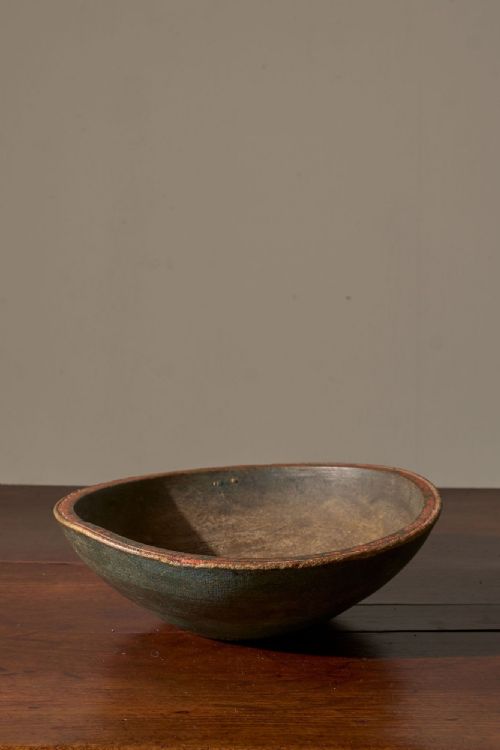


Scandinavian Carved Folk Art
Scandinavian carved folk art brings rustic charm and tactile history into a room through hand-carved wood and traditional painted finishes.
Scandinavian Carved Folk Art
Scandinavian carved folk art encompasses domestic items and decorative objects made by rural makers across Sweden, Norway, and the wider region during the eighteenth and nineteenth centuries. These pieces range from functional seating such as armchairs and cradles to smaller treen items including bowls, spoons, and lidded boxes.
The objects encountered most frequently on this page date from the nineteenth century, reflecting the durable nature of pine, birch, and oak household goods. Buyers are drawn to these survivals for their honest construction and the expressive carving traditions passed down through generations of rural communities.
Forms include dug-out chairs, painted bowls, and utilitarian items like mangle boards and peg tankards that served daily domestic needs. Each piece carries the distinct regional aesthetic of Scandinavian country and rustic folk traditions.
How they were made
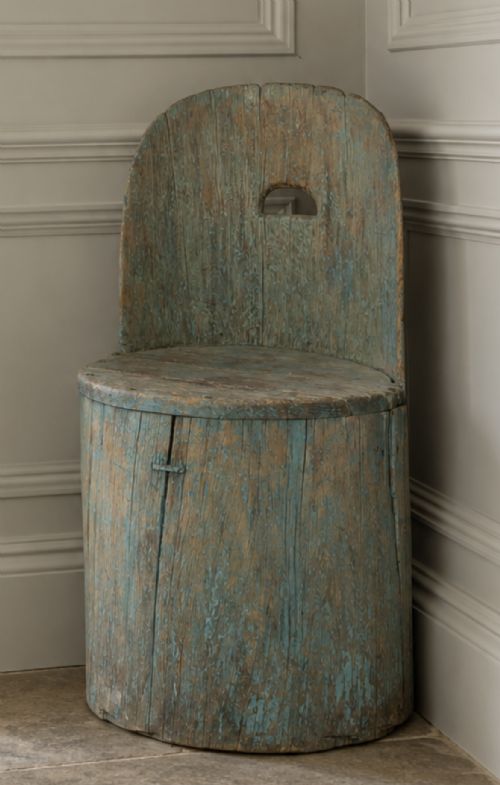
Local timbers such as pine, birch, and oak form the structural foundation of these items, selected for their availability and working properties. Woodworkers shaped these materials using hand tools, often hollowing solid logs to create dug-out chairs and vessels.
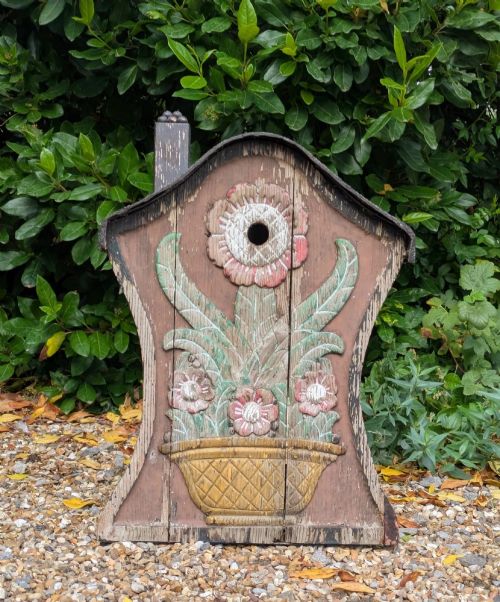
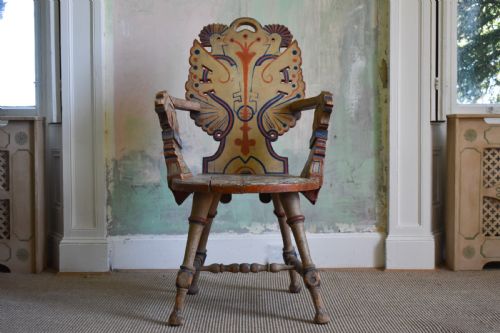
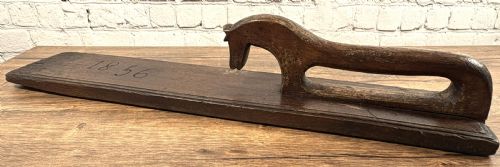
Carving and engraving added surface decoration, ranging from simple geometric incisions to figurative details like horse head handles and ceremonial lions. Many pieces also feature historic painted finishes using traditional pigments that patinate over time.
A nineteenth-century Nordic ice pick fashioned from goat horn and oak demonstrates ingenious survival resourcefulness.
What varies in quality
Quality in Scandinavian carved folk art depends on the depth and confidence of the hand carving and the integrity of the original surfaces. Pieces with well-preserved historic paint and crisp sculptural details stand apart from heavily restored examples.
The proportion and balance of the object also dictate its standing within the tradition, as domestic makers balanced utility with aesthetic ambition. Original components and honest signs of historic use contribute to the overall authenticity of a piece.
The Scandinavian Carved Folk Art Glossary
- Treen
- Small handmade wooden household objects and utensils. This category includes items like spoons, platters, and small boxes carved for daily use.
- Mangle board
- A carved wooden board used historically in Scandinavia with a rolling pin to smooth linen. These boards frequently feature elaborate handle carvings such as horses.
- Peg tankard
- A large drinking vessel featuring interior pegs used to measure consumption during social gatherings. Norwegian examples often display intricate carved ornamentation.
- Dug out chair
- Seating fashioned by hollowing out a single large section of a tree trunk. This archaic method yields heavy, robust rustic furniture.
- Nalbound
- An ancient single-needle looping technique used to create textiles before the widespread adoption of knitting. Surviving examples include strainers and domestic fabrics.
Scandinavian Carved Folk Art: Frequently Asked Questions
How do I date Scandinavian folk art?
Dating relies on tool marks, construction methods, and stylistic conventions typical of specific centuries. Physical evidence of wear and historic paint layers also help establish age.
Documentation or inscribed dates on items like mangle boards provide further chronological anchors for pieces originating in the eighteenth and nineteenth centuries.
How should I clean painted wooden folk art?
Painted surfaces require gentle care to preserve historic pigment layers and avoid removing patination. Dusting with a soft, dry cloth is usually sufficient for routine maintenance.
Moisture and modern chemical cleaners should be strictly avoided to protect the underlying wood and fragile historic finishes.
What woods were commonly used by Scandinavian makers?
Pine, birch, and oak appear frequently in these listings, reflecting the native forests available to rural craftspeople. Softer woods like pine suited painted domestic objects and furniture.
Harder timbers like oak provided durability for structural elements, while specialised items utilised materials such as horn for specific functional properties.