


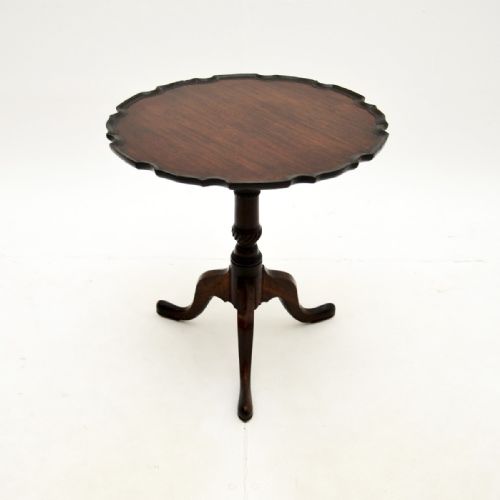
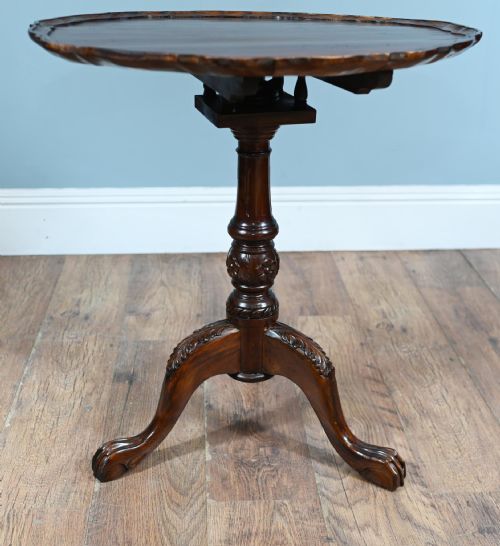


Scalloped Top Lamp Table
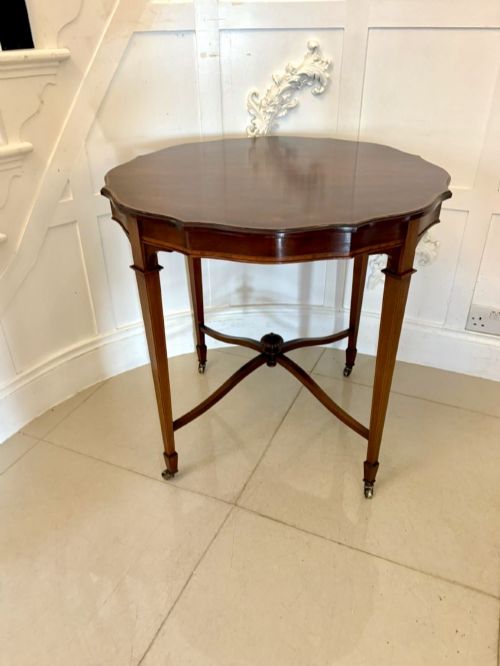
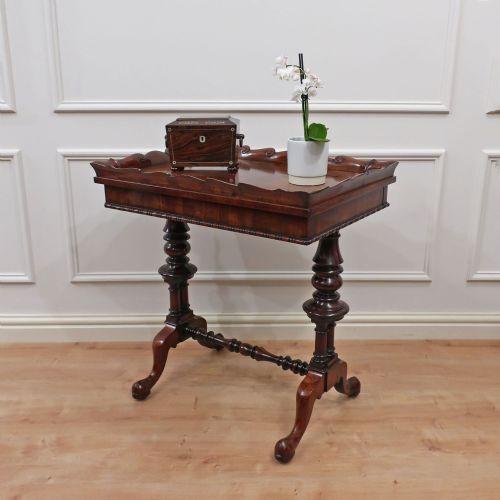
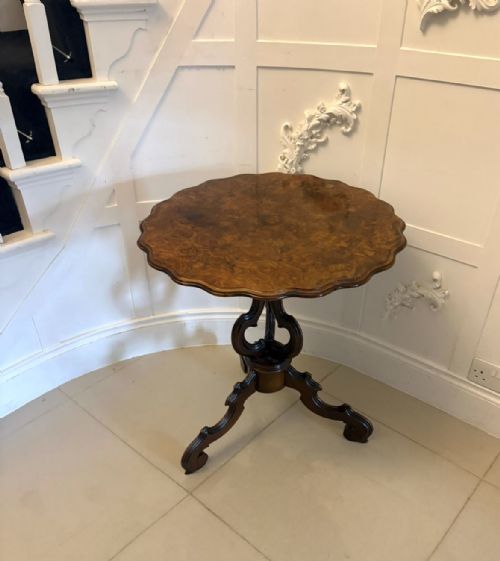
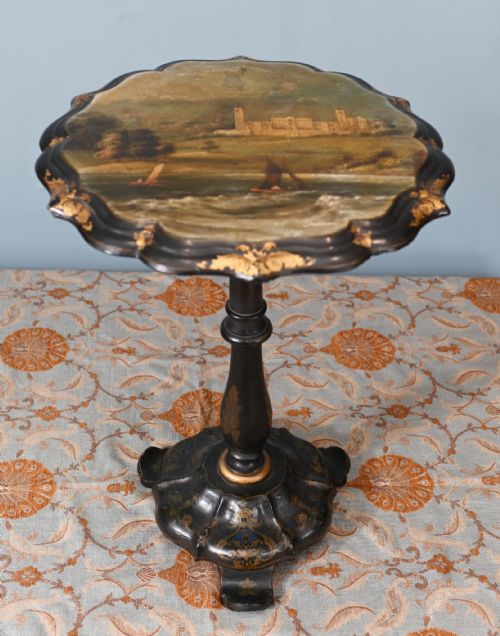
These scalloped top lamp table examples offer compact occasional surfaces, uniting period timber with refined serpentine edges for traditional interiors.
Scalloped Top Lamp Table
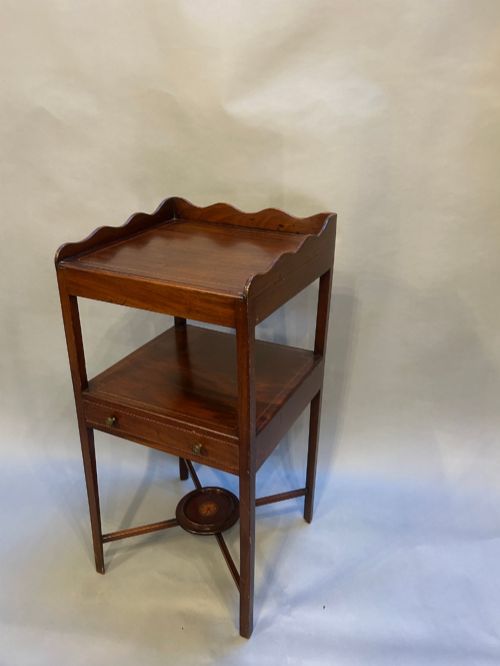
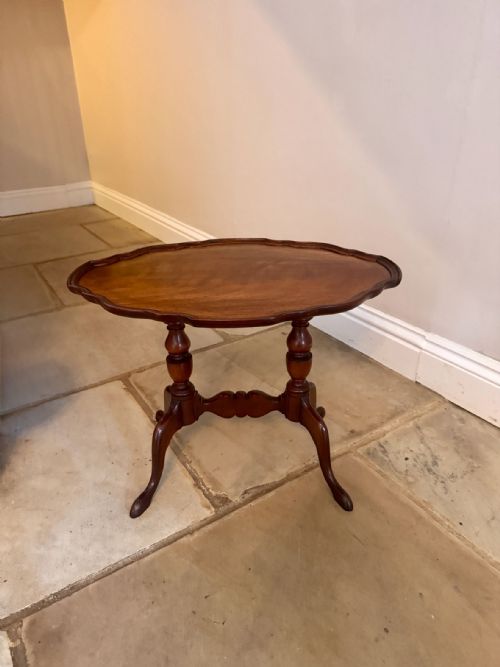
A scalloped top lamp table serves as a functional surface for illumination and display, frequently appearing across Victorian, Edwardian, and Regency periods. These pieces function as occasional tables, wine tables, or side tables in sitting rooms and parlours.
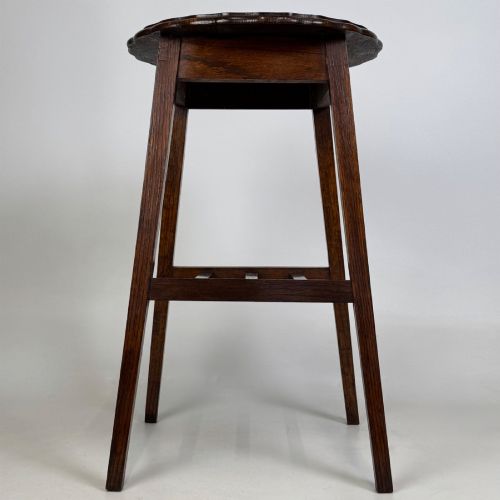
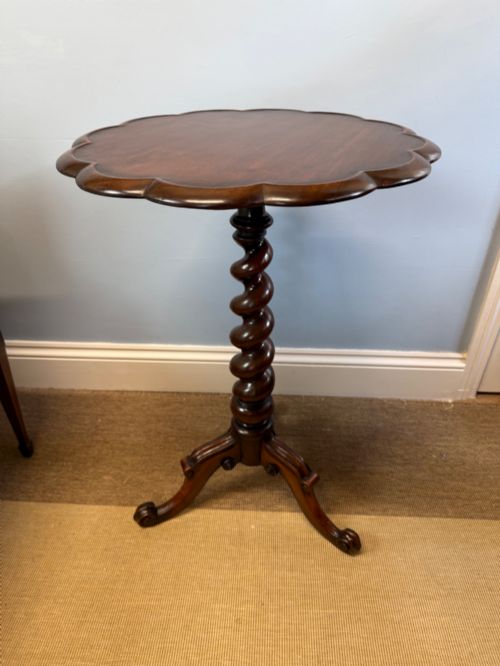
The defining characteristic is the shaped or scalloped edge of the table top, which breaks the monotony of traditional circular or rectangular timber surfaces. They emerge in forms ranging from tripod bases to multi-legged supports.
Materials and construction
Cabinet makers relied heavily on dense hardwoods, utilising mahogany and walnut as primary timber foundations for durability and rich grain patterns. Burr walnut and satinwood appear as decorative elements, often enhanced with wood inlay.
Construction techniques include turned pedestals supported by tripod legs, tilt-top mechanisms, and multi-legged frames. Selected pieces incorporate brass fittings, hand-carved foliate details, and ebonised finishes.
Scalloped Top Lamp Table Retail Price Guide 2026
Typical asking prices for scalloped top lamp table among the pieces listed under this phrase on Sellingantiques today, from the lower quarter to the upper quarter. They describe what is for sale here now, not the wider market.
The listings demonstrate that mahogany and walnut dominate the materials used for these tables, spanning the nineteenth and early twentieth centuries.
Assessing quality in construction
Quality rests in the precision of the timber selection, particularly where burr walnut or detailed satinwood inlay demands careful book-matching and fitting. The crispness of hand-carved details along the scalloped edge distinguishes finer workshop output from standard production.
Structural integrity depends on the stability of the central pedestal or leg joints, especially on tilt-top and bird-cage mechanisms. Original surface patination and uncompromised timber thickness elevate the standing of a piece.
Gillows·Morris and Co
The Scalloped Top Lamp Table Glossary
- Scalloped top
- A table top featuring a decorative edge shaped into continuous curved curves or lobes. This profile softens the silhouette of the piece.
- Tilt-top
- A hinged mechanism allowing the table top to pivot into a vertical position when not in use. This design saved space in period domestic settings.
- Tripod base
- A support structure consisting of three legs radiating from a central pillar. It ensures stability on uneven floor surfaces.
- Satinwood inlay
- Contrasting light timber veneer inserted into recesses of a darker primary wood. It creates ornamental borders and geometric patterns.
- Burr walnut
- Timber taken from a walnut tree growth featuring swirling, irregular grain patterns. Highly prized for decorative table surfaces.
Scalloped Top Lamp Table: Frequently Asked Questions
What is a scalloped top lamp table used for?
These tables were originally designed to hold small oil lamps, candles, or decorative ornaments beside seating furniture in the parlour.
Today, they function effectively as bedside stands, drink tables, or accent surfaces in smaller spaces where bulkier furniture would overwhelm the room.
How do I date a Victorian lamp table?
Dating relies on examining the timber species, construction joints, and decorative motifs such as hand-carved foliate borders or turned pedestals characteristic of the mid to late nineteenth century.
Secondary woods and the style of the turnings offer further clues to whether a piece originates from the early Victorian era or the later Edwardian revival periods.
Are these tables sturdy enough for daily use?
Most antique lamp tables are constructed from dense hardwoods like mahogany and walnut, making them structurally sound for holding lamps and drinks.
Tripod bases and tilt-top mechanisms require gentle handling to prevent wobbling, but well-maintained examples withstand normal domestic use quite comfortably.
What is the difference between a wine table and a lamp table?
Wine tables traditionally feature compact circular or shaped tops on slender tripod pedestals, originally intended for holding glasses during evening gatherings.
Lamp tables often share similar dimensions but may incorporate heavier multi-legged frames or lower tiers to accommodate lighting equipment and books.