

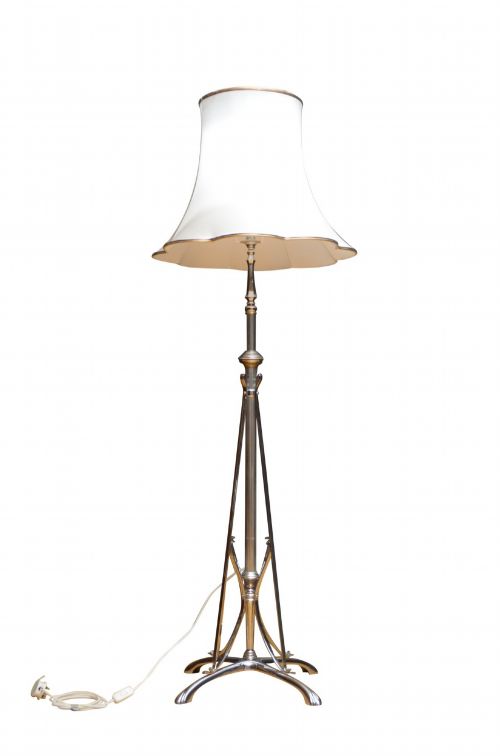


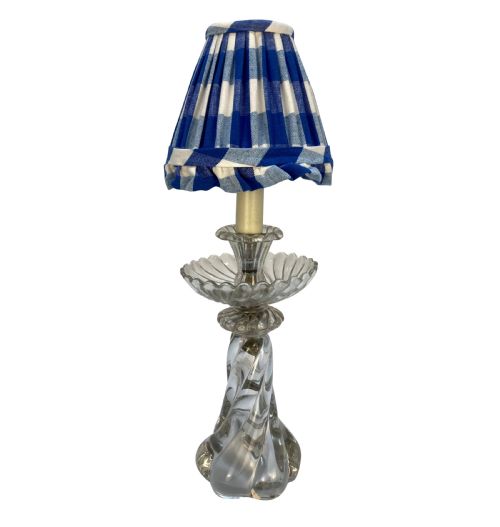


Scalloped Shade Light
These scalloped shade light pieces bring period warmth and directed task illumination to a room, ranging from delicate French glass shades to substantial floor lamps.
Scalloped Shade Light
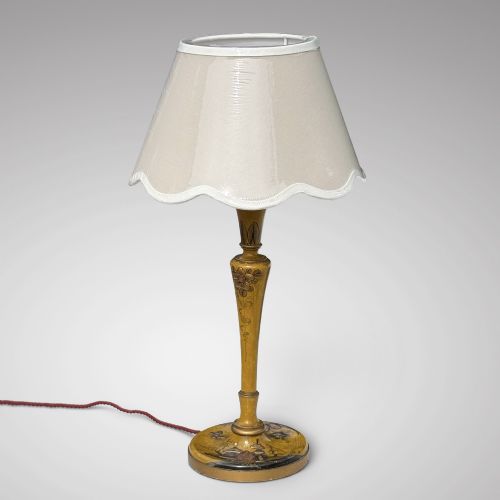
A scalloped shade light encompasses table lamps, floor lamps, and hanging pendants originating from the nineteenth century through the nineteen-thirties. Buyers searching this phrase encounter fixtures defined by shaped rims on glass shades or decorative timber bodies.
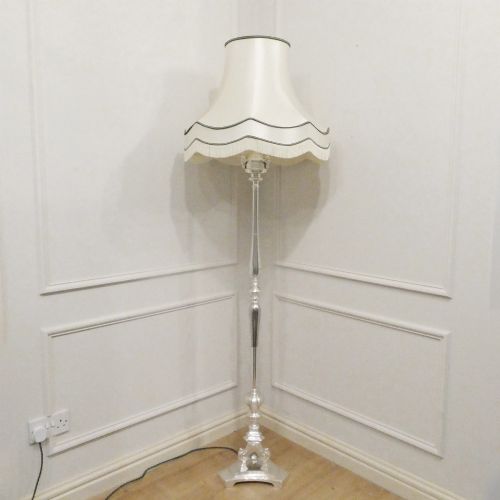
The selection on this page relies heavily upon nineteen-twenties production, alongside Edwardian designs and nineteenth-century examples. Common forms include brass table lamps and standard lamps paired with decorative shades.
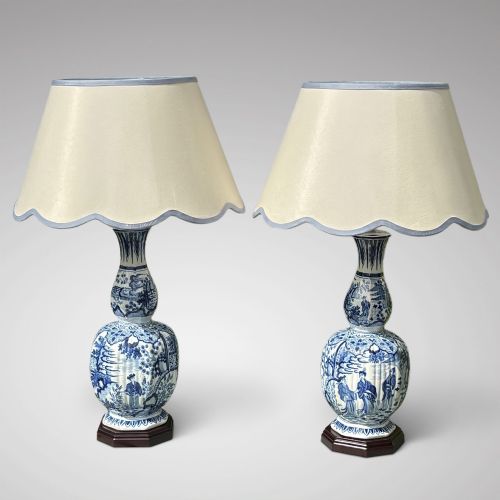
Stylistic influences span Art Deco geometry, Chinoiserie lacquered wood, and Arts and Crafts leaded glass. These diverse origins mean a buyer might choose between a Dutch Delftware pattern or a French opaline dish light.
How they were made
Makers shaped glass through blowing and moulding to create frilly pendant shades and opaline dish lights, occasionally incorporating cobalt blue leaded sections. Metalwork relies on brass casting and silver plating for structural standard lamps and ceiling fixtures.
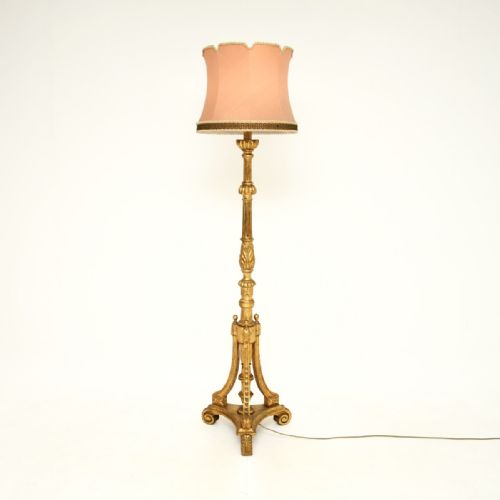
Timber pieces utilise oak, gilt wood, and lacquered wood or timber, often decorated with Chinoiserie motifs. These varied materials reflect the predominant manufacturing methods of the late nineteenth and early twentieth centuries.
Scalloped Shade Light Retail Price Guide 2026
Typical asking prices for scalloped shade light among the pieces listed under this phrase on Sellingantiques today, from the lower quarter to the upper quarter. They describe what is for sale here now, not the wider market.
Some nineteenth-century Delftware vessels found a second life as table lamps, proving ceramics are remarkably adaptable housemates.
What varies in quality
Quality rests in the crispness of the glass moulding and the depth of the lacquer on wood bases. Superior pieces display hand-finished details on brass components and well-preserved painted or gilded surfaces.
The integrity of the material construction, from leaded glass joints to heavy cast metal bases, dictates the durability and visual weight of the fixture. Lesser examples show simpler turning in timber and basic pressed glass without hand-finished edges.
The Scalloped Shade Light Glossary
- Opaline glass
- A milky, translucent glass often tinted in soft shades, frequently utilised for nineteenth and early twentieth-century lighting.
- Standard lamp
- A tall floor-standing lamp designed to provide ambient illumination, popular in early twentieth-century domestic interiors.
- Chinoiserie
- European decorative style inspired by Chinese artistic traditions, seen here on lacquered wood table lamps.
- Art Deco
- A design style characterised by streamlined geometric forms, prominent in lighting from the nineteen-twenties and nineteen-thirties.
- Dutch Delftware
- Tinned earthenware featuring blue and white painted decoration, appearing on ceramic lamp bodies.
Scalloped Shade Light: Frequently Asked Questions
What rooms suit a floor lamp?
Floor standards provide reading illumination beside armchairs and corner lighting in sitting rooms.
Their height allows them to distribute light across larger spaces without taking up surface room on tables.
How do I date these lamps?
Dating relies on stylistic markers such as Art Deco geometry or Edwardian brass work.
Materials like lacquered wood and leaded glass also point to specific manufacturing decades between the late nineteenth century and nineteen-thirties.
Are pendant lights adjustable?
Hanging pendants utilise cord or chain suspensions that can often be shortened during installation.
Ceiling heights dictate the drop required for optimal illumination over dining tables or in hallways.
How do I clean glass shades?
Delicate glass requires gentle wiping with a soft, damp cloth to remove dust without harming the surface.
Harsh chemical cleaners should be avoided to protect antique finishes on both the glass and any attached metal fittings.