

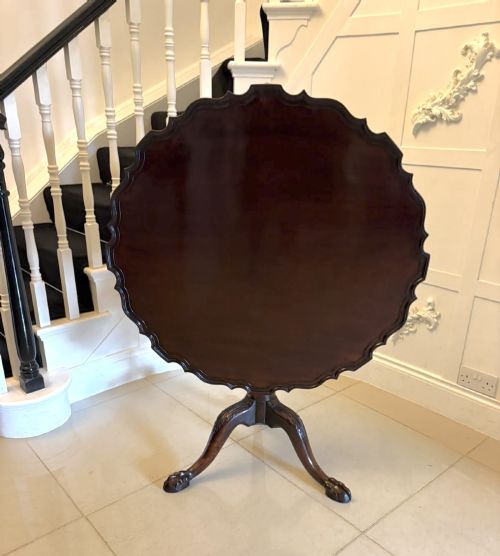
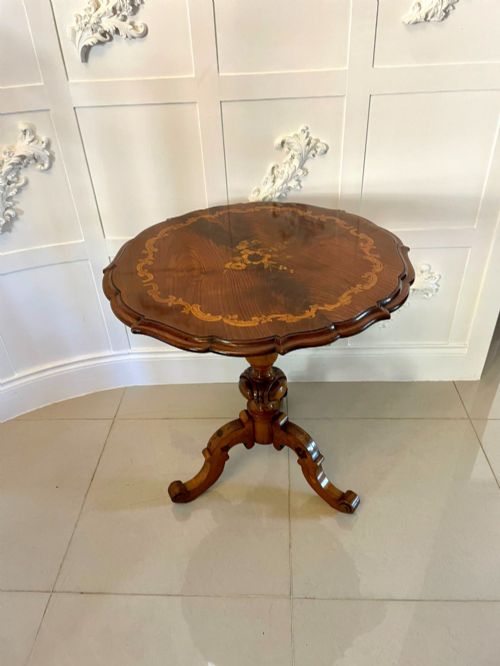
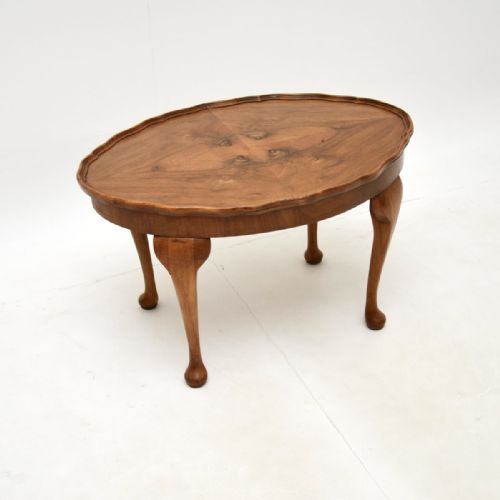
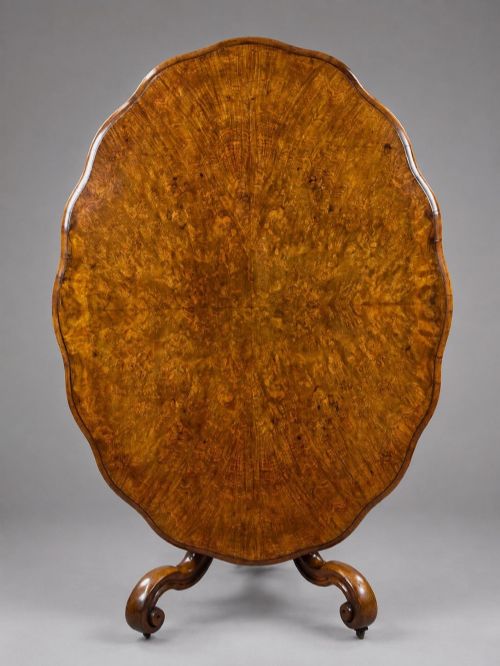
Scalloped Edge Carved Table
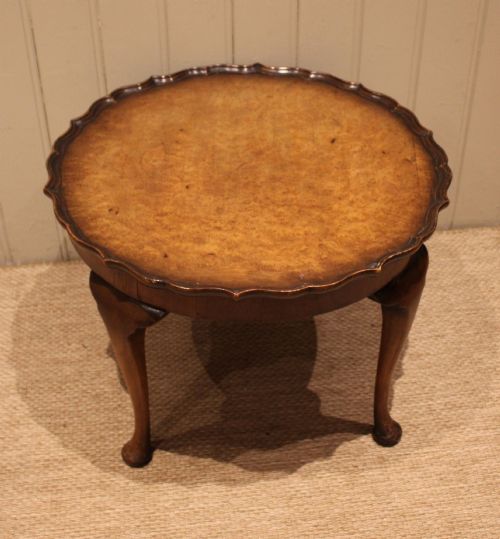
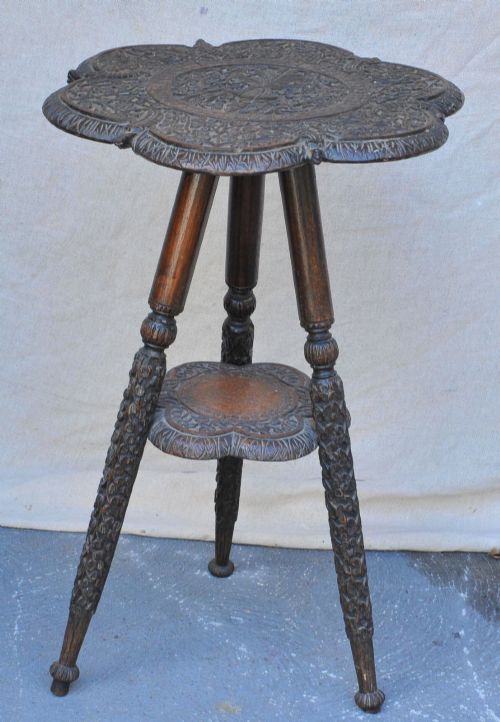
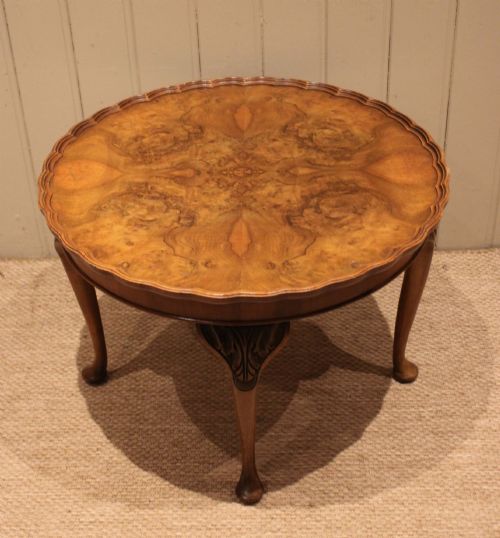
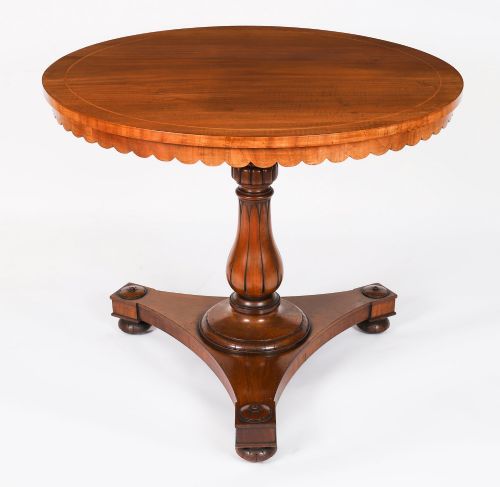
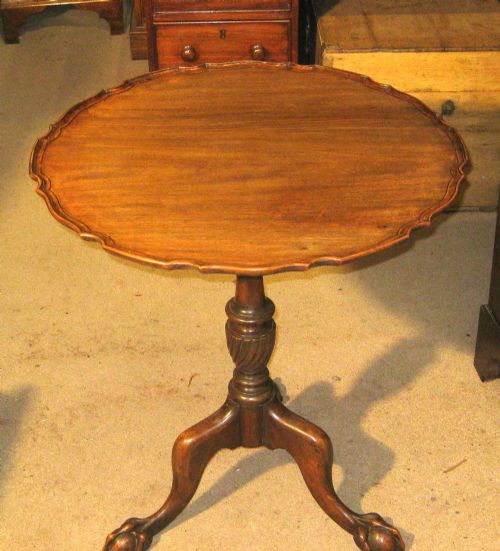
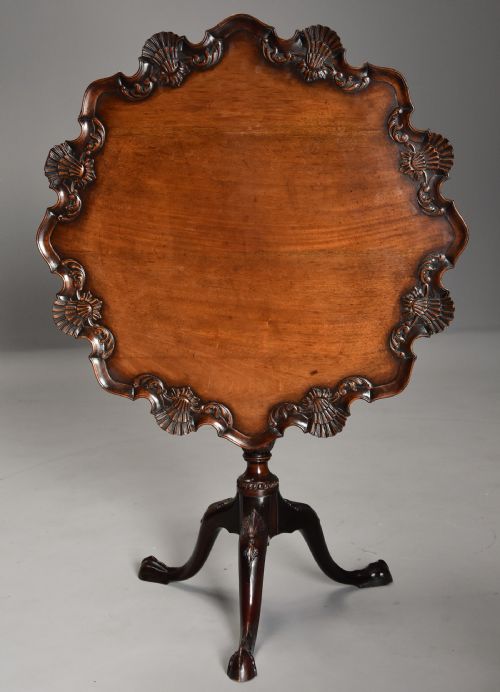
A scalloped edge carved table brings organic movement to a room, offering shaped wooden borders that catch the eye and frame a surface.
Scalloped Edge Carved Table
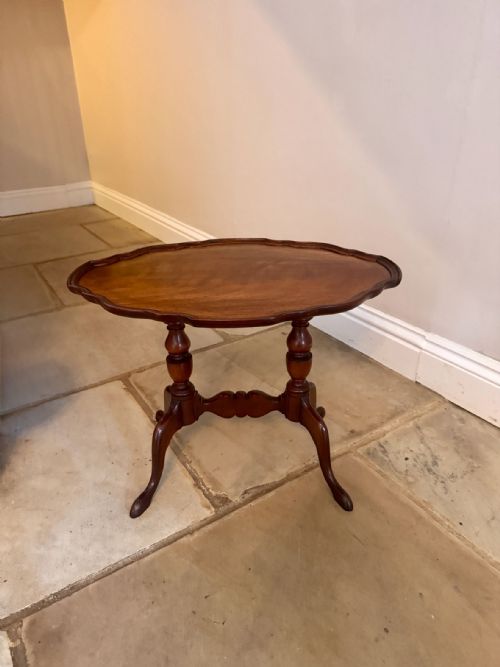
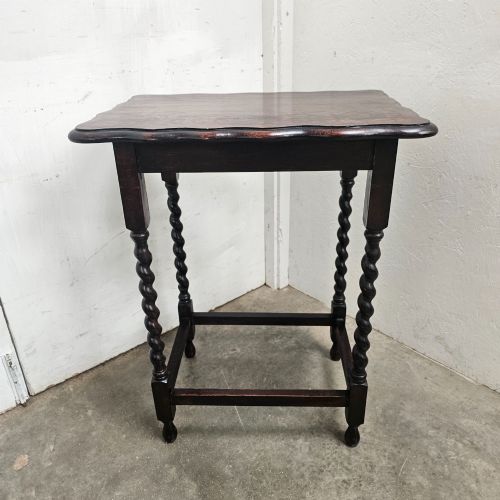
A scalloped edge carved table appears across multiple periods, with pieces originating from the eighteenth century, the Victorian era, and the early twentieth century. These furnishings take many forms, including compact occasional tables, wine tables, tripod tables, and larger centre or dining tables.
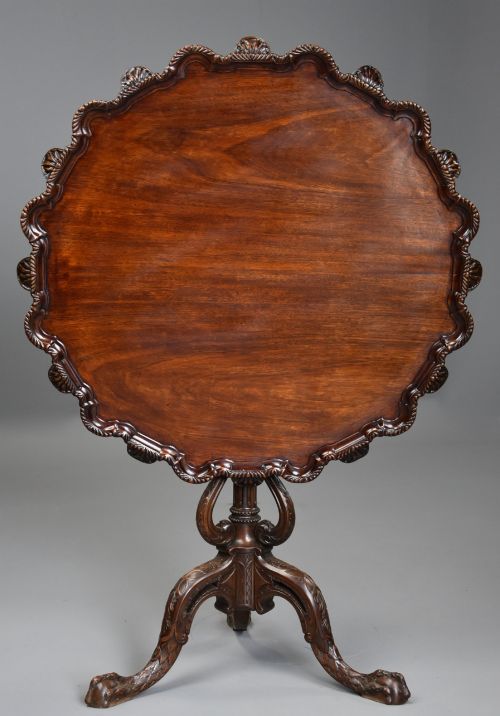
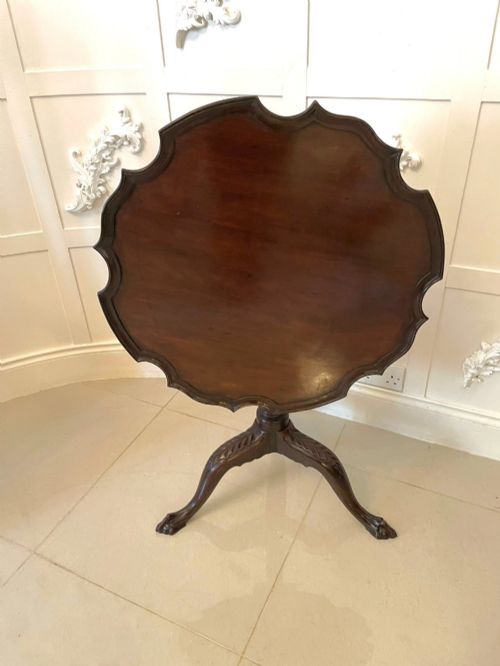
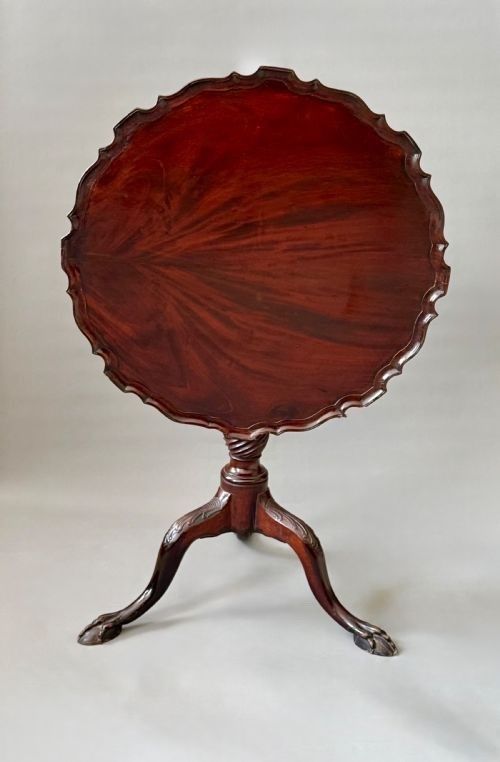
The version most commonly encountered on this page is the mahogany or walnut tilt-top table, often termed a piecrust table or coffee table. These items span styles from George III and Georgian through to Victorian, Edwardian, and later revival movements.
Materials and construction
Makers utilised dense hardwoods such as mahogany, walnut, burr walnut, rosewood, and oak to construct these pieces. Timber selection dictated both the weight and the visual depth of the carved edge.
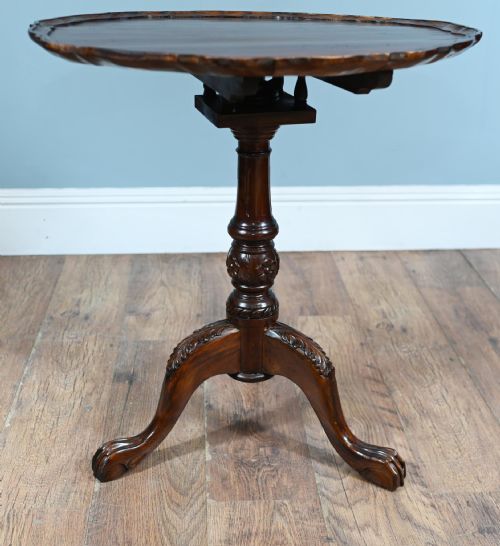
Surfaces frequently feature intricate details, ranging from raised carved rims and piecrust borders to marquetry inlays and tripod pedestal bases. Tilt mechanisms and birdcage supports allowed specific tables to fold flat when not in use.
Scalloped Edge Carved Table Retail Price Guide 2026
Typical asking prices for scalloped edge carved table among the pieces listed under this phrase on Sellingantiques today, from the lower quarter to the upper quarter. They describe what is for sale here now, not the wider market.
Listings feature tables spanning from the eighteenth century through the Victorian era to the 1930s, constructed predominantly in mahogany and walnut.
Judgement of quality
Quality rests in the crispness of the carved border and the grain selection within the timber, particularly when figured or burr walnut is employed. Superior examples display fluent carving along the shaped rim and stable joinery at the pedestal or leg junctions.
The distinction between ordinary and exceptional tables lies in the proportion of the top to the turned column and the precision of the tilt mechanism. Hand-carved edges show individual chisel work rather than uniform mechanical shaping.
Shapland and Petter
The Scalloped Edge Carved Table Glossary
- Piecrust table
- A small table with a raised, carved, and scalloped wooden edge resembling pastry work. This form became popular during the eighteenth century.
- Tilt top table
- A table featuring a hinged mechanism that allows the top to pivot into a vertical position. This design saved space in period interiors.
- Tripod table
- A freestanding table supported by three legs radiating from a central pillar. These pieces balance lightness with stability.
- Birdcage
- A revolving wooden framework situated beneath a table top, allowing it to turn and tilt. It is typically found on eighteenth-century examples.
- Marquetry
- Decorative patterns formed by fitting together contrasting pieces of wood veneer. This technique adorned many Victorian tabletops.
Scalloped Edge Carved Table: Frequently Asked Questions
What is a scalloped edge carved table used for?
These tables served various domestic functions, from holding tea services in Georgian parlours to displaying decorative objects in Victorian drawing rooms. Smaller versions functioned as wine or occasional tables placed beside seating.
Today, low variants serve well as coffee tables, while tilt-top examples can stand flat against a wall as decorative wood panels when not in active use.
How do I identify an eighteenth-century table?
Eighteenth-century examples often incorporate solid mahogany, tilt-top mechanisms with birdcage supports, and hand-carved piecrust edges. The timber shows natural ageing and patination developed over centuries of use.
Construction methods on older pieces typically employ traditional joinery without modern metal fasteners, and the proportions reflect the furniture standards of the Georgian period.
What is the difference between George III and revival styles?
Original George III pieces date from the eighteenth century and carry the authentic wear and construction hallmarks of that period. Revival styles, such as Chippendale or Queen Anne revivals, were produced during the Victorian and Edwardian eras.
Revival furniture emulates earlier eighteenth-century aesthetics but uses the machining methods and wood preparation techniques of the nineteenth or early twentieth century.
How do I care for a burr walnut table?
Burr walnut requires protection from direct sunlight and excessive heat fluctuations to prevent the delicate veneer from drying or cracking. Regular dusting with a soft, dry cloth maintains the surface sheen.
Applying occasional appropriate furniture wax nourishes the timber and preserves the intricate grain patterns without building up a heavy residue.