



Scallop Shell Dishes
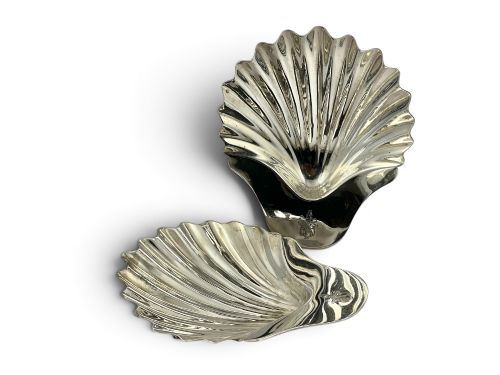
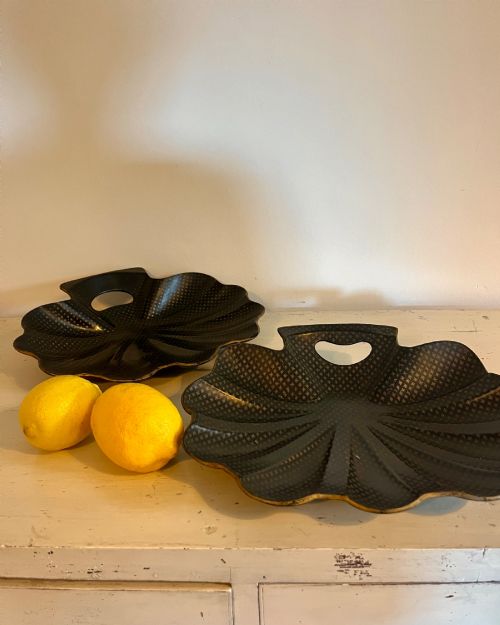
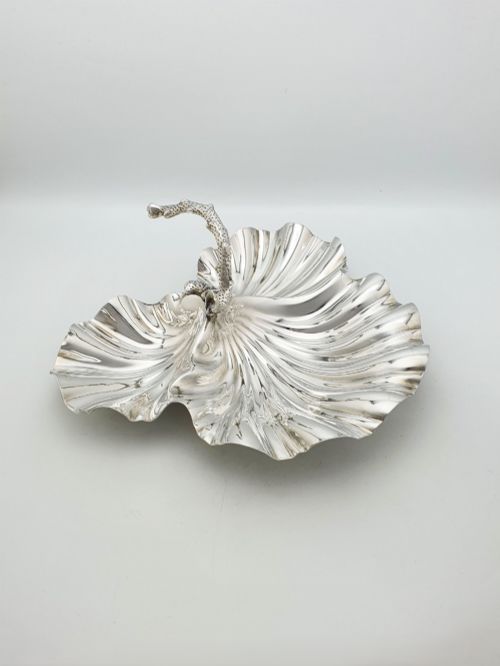
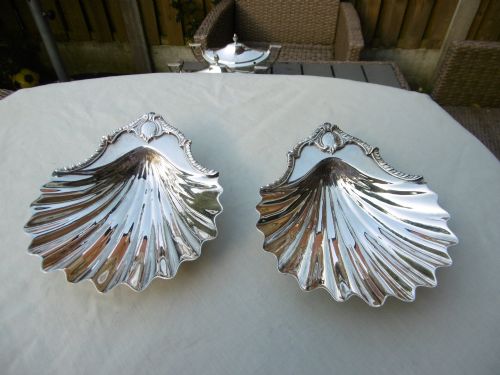
Scallop shell dishes bring marine grace to the table, taking the form of the natural sea creature in silver, porcelain and glass.
Scallop Shell Dishes
Scallop shell dishes encompass functional tableware and small decorative trays shaped directly after the marine mollusc. These pieces appear across several centuries, with particular strength in Victorian and Georgian examples.
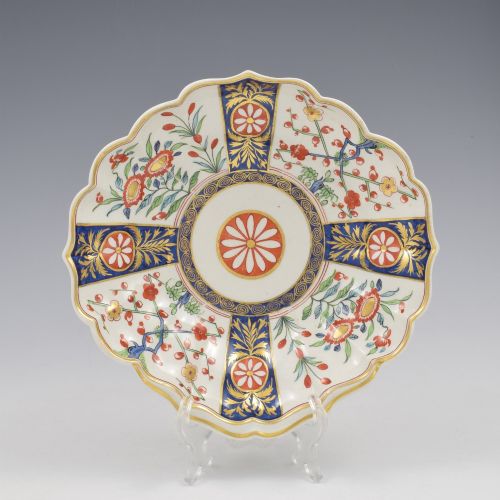
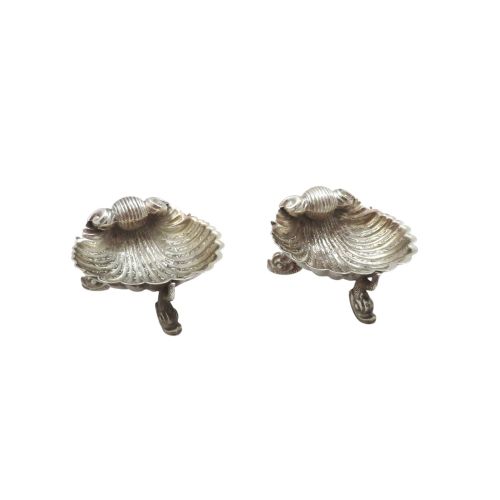
The form adapts to many uses on this page, functioning as individual salt cellars, butter dishes, pickle plates and larger dessert services. Materials range from solid sterling silver and silver plate to soft-paste porcelain, opaline glass and Japanese Imari ceramic.
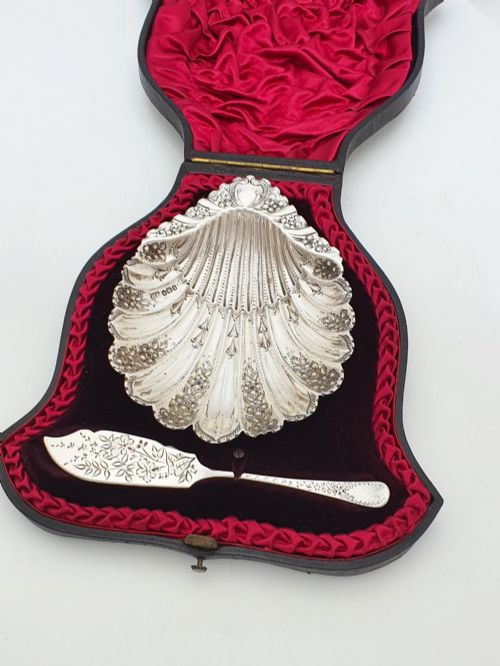
Makers drew on Georgian Rococo and Victorian Naturalism styles, creating items that mimic the ribbed fluted exterior and hinge of the shell. You will find single presentation dishes as well as matched pairs and cased sets.
How they were made
Silversmiths formed metal pieces either by casting solid sterling silver or silver plate into hinged moulds, often finishing the surface with gilding. Other examples utilise soft-paste porcelain painted underglaze with traditional motifs or finished with rich enamel and gilt edges.
Glassmakers pressed molten material into ribbed metal or carved moulds to achieve the translucent opaline green finish seen in French tablewares. Artisans then applied hand-painted details or mounted the vessels on small cast feet shaped as coral or snails.
Scallop Shell Dishes Retail Price Guide 2026
Typical asking prices for scallop shell dishes among the pieces listed under this phrase on Sellingantiques today, from the lower quarter to the upper quarter. They describe what is for sale here now, not the wider market.
Some Victorian silversmiths added tiny cast snails to the hinges, reminding diners exactly which creature built the original template.
What varies in quality
Quality rests primarily on the crispness of the casting and the fidelity of the natural form. Earlier silver and porcelain examples show deeply defined ribs and carefully articulated hinges rather than softened, mass-produced contours.
The choice of material and hand-finishing dictates the tier of the piece. Fine porcelain carries early hand-painted underglaze decoration, while top-tier silver items bear clear maker marks and substantial weight.
William Plummer·Goldsmiths & Silversmiths·Edward Farrell·Garrard London
The Scallop Shell Dishes Glossary
- Soft-paste porcelain
- An early ceramic composition fired at lower temperatures than hard-paste porcelain. It produces a warm, slightly creamy body frequently found on eighteenth-century dessert dishes.
- Opaline glass
- An opaque or semi-translucent glass popular in nineteenth-century France. It often displays pale pastel tints and hand-applied gilt borders.
- Imari
- A Japanese export porcelain style characterised by underglaze blue and iron red highlights with supplementary gold. Pieces display intricate panel designs and floral arrangements.
- Silver gilt
- Sterling silver that has been coated with a thin layer of gold through an electrochemical or fire-gilding process. This technique provides a rich yellow interior to serving dishes and salt cellars.
Scallop Shell Dishes: Frequently Asked Questions
How were scallop shell dishes originally used?
These vessels served specialised dining functions during formal meals, holding portions of butter, pickles, condiments or salt. Smaller versions sat beside individual place settings as open salt cellars.
Larger porcelain and silver examples acted as dessert dishes or centrepieces for sweetmeats. Their marine shape suited the presentation of seafood and delicate courses on fashionable tables.
Are silver scallop shell dishes dishwasher safe?
Silver pieces require hand washing with warm soapy water and a soft cloth to protect the metal surface. Harsh detergents and automated dishwashers will damage antique patination and any applied gilding.
Porcelain and glass variations also demand gentle manual cleaning. Sudden temperature changes can fracture eighteenth-century soft-paste bodies and fragile opaline glass.
How do I identify a Georgian shell dish?
Georgian pieces often display Rococo chasing, heavy cast silver construction, or early soft-paste porcelain bodies. Look for hallmarks on silver items that indicate eighteenth or early nineteenth-century production dates.
The potting style on porcelain dishes from this era shows heavier foot rims and hand-painted pigments that have settled softly into the glaze.
Can I use antique glass shell dishes for food?
Historic glass and silver dishes are suitable for serving dry foods, condiments or sweets. Acidic foods should not remain in contact with antique silver or porous ceramic glazes for extended periods.
Displaying them on a sideboard or table allows you to appreciate the form safely. Many collectors prefer to utilise them as decorative catch-alls for small personal items.