
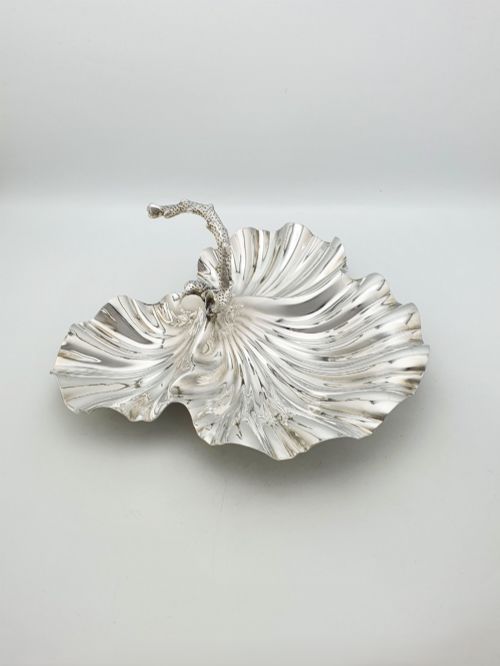


Scallop Shell Dish
These scallop shell dish examples bring maritime grace to a table, shaped from sterling silver, porcelain, glass and lacquer across several centuries.
Scallop Shell Dish
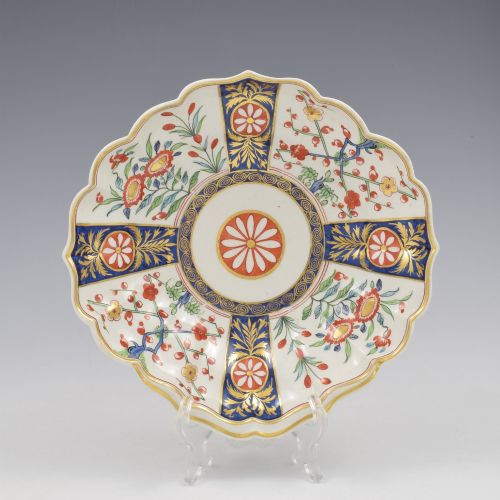
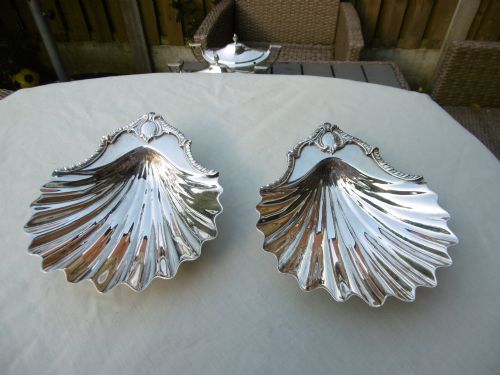
A scallop shell dish serves functional and decorative roles across dining and dressing rooms alike, adopting the natural marine form in various media. When searching for a scallop shell dish, collectors encounter items ranging from Georgian silver butter dishes to delicate porcelain pickle plates.
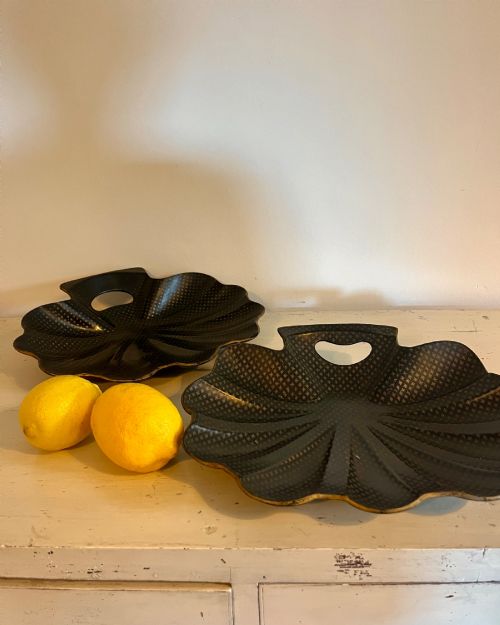
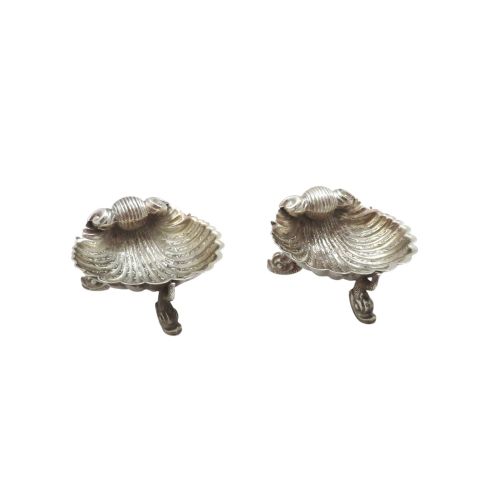
The materials span sterling silver, Japanese Imari, green opaline glass and lacquered papier-mache, reflecting diverse stylistic movements from Victorian naturalism to French rococo. Most pieces function as small serving trays, salt cellars, butter dishes or pickle dishes.
Dating ranges from the eighteenth century through the Edwardian era, with Victorian examples showing a particular affinity for marine motifs. Buyers find cased presentation sets alongside individual decorative plates.
How they were made
Silversmiths formed metal pieces by casting and hammering sterling silver, frequently adding gilt interiors or stylised coral handles. Potters shaped porcelain and opaline glass by hand before applying hand-painted glazes, gilding and polychrome enamels.
Lacquer and papier-mache items required multiple layers of finish applied to pressed bases, often incorporating intricate orientalist designs or polished surfaces. Makers constructed fitted cases using velvet and silk linings to house individual salts and butter dishes securely.
Materials represented across the inventory include sterling silver, silver plate, Worcester porcelain, opaline glass, lacquer, papier-mache, velvet and silk.
What varies in quality
Quality rests upon the crispness of the ribbing and the fidelity of the naturalistic form, whether rendered in precious metal or fired clay. Superior silver specimens display crisp hallmarks, substantial weight, and well-defined hinges or handles.
In ceramic and glass examples, the precision of the hand-painted enamel work and the brilliance of the gilding determine the grade. Original fitted velvet and silk presentation cases add historical completeness to silver table services.
William Plummer·Goldsmiths & Silversmiths·Edward Farrell·Garrard London
The Scallop Shell Dish Glossary
- Salt cellars
- Small open vessels or dishes designed to hold table salt before the advent of free-flowing shakers.
- Pickle dish
- A small shallow vessel historically used for serving pickles, relishes or condiments at the dining table.
- Opaline glass
- An opaque or translucent art glass popular in nineteenth-century France, often tinted in shades like green and finished with gilt edges.
- Imari
- A style of Japanese porcelain featuring distinctive underglaze blue and iron-red designs accented with gold.
- Gilding
- The application of a thin layer of gold leaf or powder to the surface of silver, porcelain, wood or glass.
Scallop Shell Dish: Frequently Asked Questions
How do I date a porcelain shell dish?
Examination of the paste, glaze characteristics and underglaze painted marks reveals the period of manufacture, such as eighteenth-century soft-paste porcelain.
Stylistic cues like rococo asymmetry or Japanese Imari motifs also provide clear chronological markers.
Are cased silver dishes rarer?
Presentation sets housed in fitted velvet and silk boxes often survive in better condition because the enclosure protected the metalwork from tarnish and handling.
Complete cased pairs or sets of salt cellars indicate high-status original ownership.
How do I care for antique glass dishes?
Green opaline glass and other nineteenth-century pieces require gentle hand washing in lukewarm water with mild soap, avoiding abrasive sponges that damage surface gilding.
Storage should prevent friction against other items to protect delicate rims and enamelled details.