


Satirical Caricature Illustration
These satirical caricature illustration works capture biting wit and social commentary across centuries of paper and ink.
Satirical Caricature Illustration
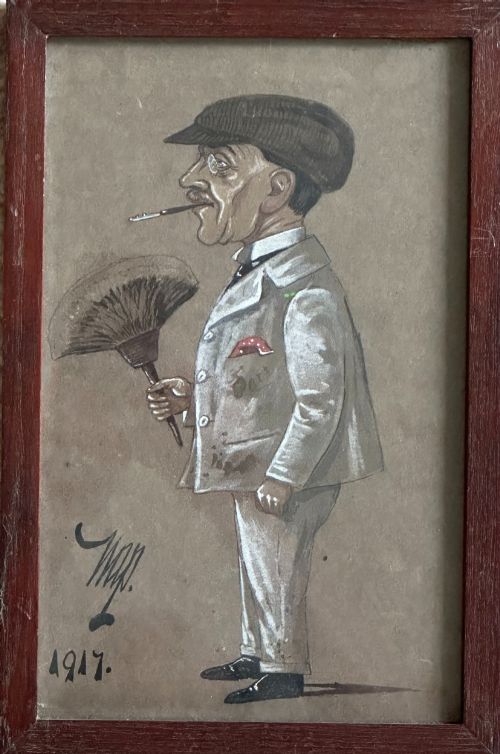
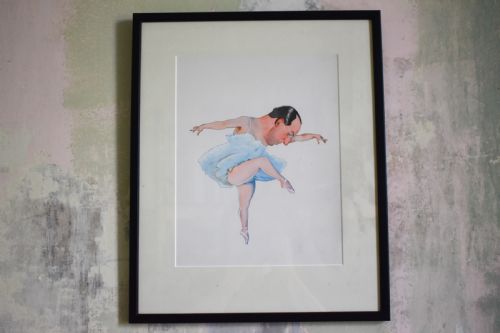
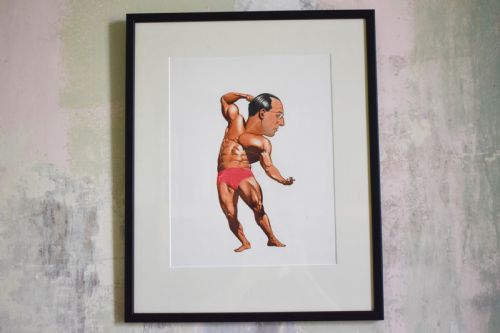
When you search for satirical caricature illustration, you are looking at historical graphic works designed to mock, amuse, and critique society. The pieces on this page span the 18th century, 19th century, Edwardian era, and early 20th century.
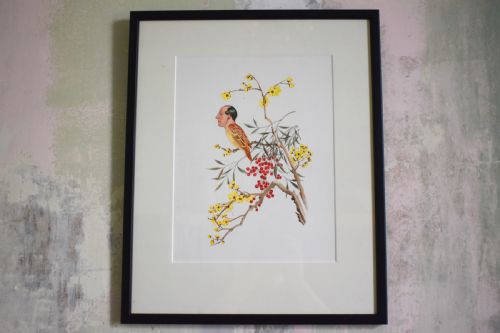
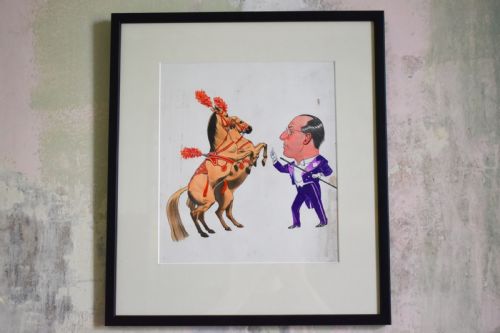
The objects take several distinct forms, most frequently appearing as framed artwork, antique prints, wall art, original artwork, and prints and engravings. You will find both hand-coloured prints and unique painted works.
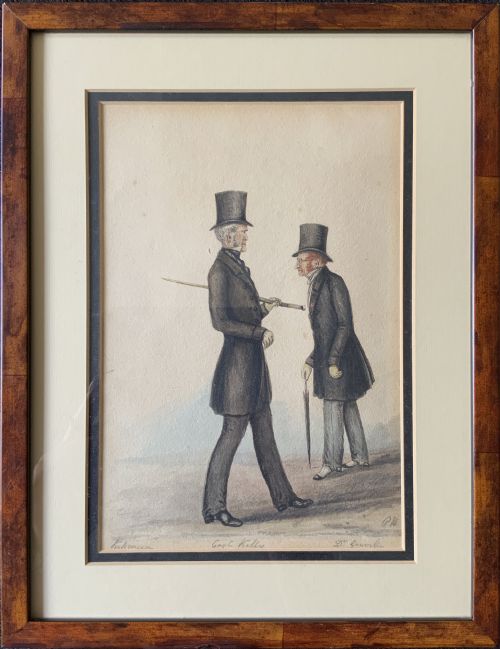
Subjects range widely across the periods represented, including Georgian prints, Victorian double portraits, and First World War subjects. The selection includes both single framed items and grouped runs of multiple sheets.
Materials and execution
These works rely primarily on paper supports, utilising mediums such as ink, watercolour, gouache, and watercolour pigment. Prints often incorporate hand colouring applied over engraved or lithographic lines.
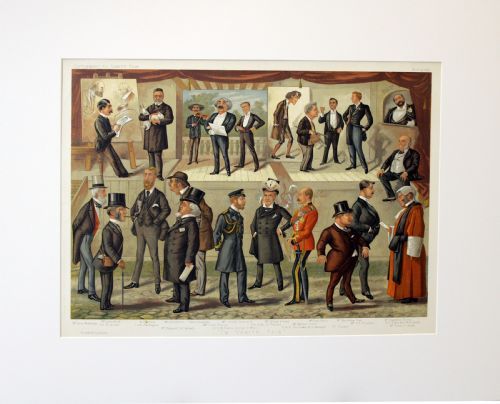
Original sketches and paintings show direct hand application using pen and ink alongside washes of pigment. Chromolithography appears in multi-coloured published print formats mounted on card or mount board.
Framed pieces are typically set behind glass within wooden frames to protect the delicate paper surfaces from atmospheric damage. Mount boards are used to separate the paper work from the glazing.
Materials recorded across the inventory include watercolour, ink, gouache, glass, wood, and mount board.
Factors of quality
Quality in these graphic works rests upon the crispness of the line and the vibrancy of the remaining pigment. Original hand-drawn sketches by named artists differ significantly in distinctness from mass-published print runs.
The condition of the paper surface and the presence of original hand colouring dictate the visual strength of the image. Freshness of the watercolour pigment and minimal fading separate superior surviving examples from tired sheets.
Thomas Rowlandson·Henry William Bunbury
The Satirical Caricature Illustration Glossary
- Chromolithography
- A colour lithographic printing technique used to produce multi-coloured images from stone plates. This method allowed for vibrant reproductions of satirical artwork in Victorian publications.
- Gouache
- An opaque watercolour medium containing pigment mixed with a binding agent and white filler. It provides heavier coverage than standard watercolour pigment on paper.
- Mount board
- Heavy paperboard used to frame and support works on paper. It prevents the artwork from touching the glass directly.
Satirical Caricature Illustration: Frequently Asked Questions
How are satirical caricature illustrations framed?
These works on paper are typically mounted behind glass within wooden frames to protect them from dust and handling. Many arrive ready to hang on the wall.
Conservation framing practices help preserve fragile paper, watercolour, and ink mediums from light exposure over time.
Are these pieces original or printed?
The selection includes both categories, featuring unique pen and ink sketches alongside published prints and chromolithographs. Individual listings specify whether a piece is an original painting or a period print.
Original works show direct brush and pen work, whereas prints display mechanical dot patterns or fine engraved lines under magnification.
What periods do these illustrations cover?
The available works span several centuries, starting from the 18th century George III period through the 19th century and into the early 20th century, including 1910, 1920, and 1930.
Georgian and Victorian satirical works often reflect political and social satire, while later pieces capture Edwardian themes and First World War subjects.
What mediums were used in these artworks?
Artists employed paper supports combined with watercolour, ink, gouache, and watercolour pigment. Print editions frequently utilised hand colouring over engraved or lithographic lines.
Wood and glass are common components of the framing materials protecting these delicate paper works.