



Satinwood Inlaid Tray Table
A satinwood inlaid tray table brings luminous timber and versatile portable surface space to a room, offering both display utility and period elegance.
Satinwood Inlaid Tray Table
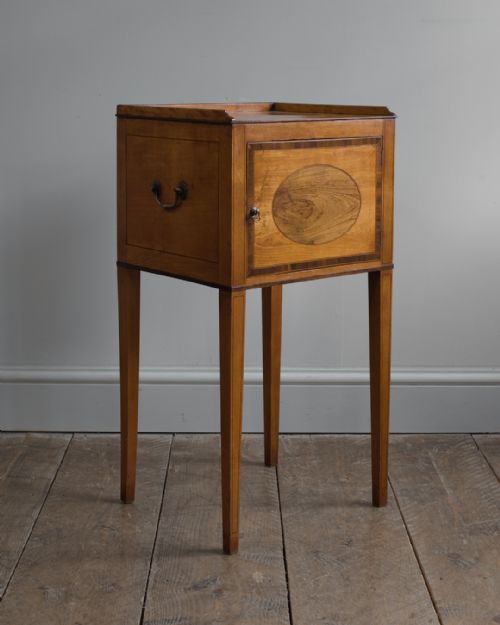
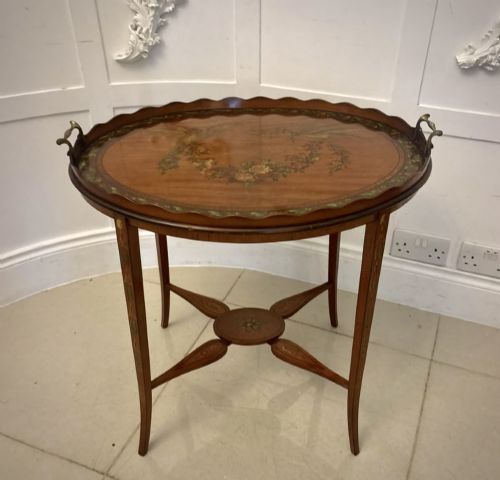
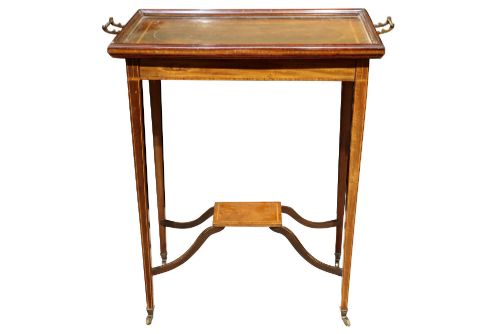
A satinwood inlaid tray table unites light timber surfaces with practical framing, appearing frequently as an occasional table, etagere, or tiered table. These pieces emerge predominantly from the Edwardian era and the late nineteenth century, reflecting revival styles like Sheraton Revival and George III.
How they were made
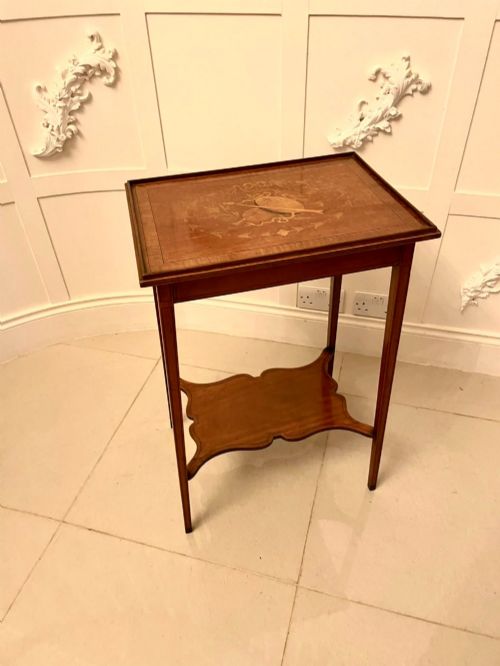
Maker workshops built these pieces using solid mahogany and mixed wood veneers, applying satinwood for its pale, glowing grain and contrasting fruitwood inlay. Brass fittings and glass elements appear alongside intricate marquetry, creating detailed decorative motifs across the top surfaces and tiers.
Cabinet makers utilised skilled veneering techniques to bond fine satinwood and fruitwood inlays onto stable mahogany carcases. This method allowed workshops to achieve complex geometric patterns and floral motifs without risking the warping associated with solid exotic timbers.
Satinwood Inlaid Tray Table Retail Price Guide 2026
Typical asking prices for satinwood inlaid tray table among the pieces listed under this phrase on Sellingantiques today, from the lower quarter to the upper quarter. They describe what is for sale here now, not the wider market.
Materials span satinwood, mahogany, fruitwood inlay, brass, glass, and mixed wood veneers across tiered and occasional forms.
What varies in quality
Quality rests upon the precision of the fruitwood inlay and the crispness of the contrasting veneers across the satinwood surface. Superior examples demonstrate seamless joins in the mixed wood veneers and finely detailed marquetry that remains flush with the surrounding timber.
Construction methods also separate standard production from finer cabinet work, visible in the stability of the tiered frames and the handling of the tray top edges. Stronger structural integrity combined with balanced proportions distinguishes the more accomplished pieces in this group.
The Satinwood Inlaid Tray Table Glossary
- Satinwood
- A hard, durable timber known for its golden-yellow sheen and smooth grain. It provides a luminous surface for detailed inlay work.
- Etagere
- A piece of furniture consisting of a set of open shelves or tiers for displaying small objects. These tiered structures often incorporate tray tops.
- Marquetry
- Decorative veneer work formed by fitting together small pieces of different coloured woods. This technique creates pictorial or geometric designs on table tops.
- Tray top
- A table surface finished with a raised rim or gallery to secure items. Some versions lift off the base for practical service use.
Satinwood Inlaid Tray Table: Frequently Asked Questions
What is a satinwood inlaid tray table?
A satinwood inlaid tray table is a small occasional or tiered piece of furniture featuring pale satinwood veneer, contrasting fruitwood inlay, and a raised rim around the upper surface. These items combine display utility with portable tray functionality.
Most examples date from the Edwardian period or the late nineteenth century, reflecting classic Sheraton Revival influences through light timber tones and refined proportions.
How were these tables used originally?
These tables served primarily in drawing rooms and parlours for holding tea services, calling cards, or small decorative objects. The raised gallery kept items secure while the table was moved about the room.
Some designs featured removable trays that allowed servants to carry refreshments directly from the kitchen before placing the tray back onto the supporting stand.
How do I style a tray table in a modern home?
A tray table functions effectively as a flexible bedside surface, a compact lamp table, or an accent piece next to a sofa. The light satinwood and mahogany tones pair well with both neutral interiors and darker period furniture.
Keep the top surface uncluttered to showcase the intricate fruitwood inlay and grain patterns of the timber.
How can I tell an Edwardian piece from an earlier one?
Edwardian tables from around nineteen hundred often display lighter construction, crisp fruitwood inlay, and bright satinwood veneers influenced by Sheraton Revival designs. Nineteenth-century versions may show slightly denser mahogany carcases and deeper patination. Nomenclature in listings often bridges these periods, reflecting stylistic revivals that spanned the late Victorian and Edwardian eras.