







Sarouk Area Rug
A sarouk area rug brings durable West Persian craftsmanship and traditional motifs directly into your home.
Sarouk Area Rug
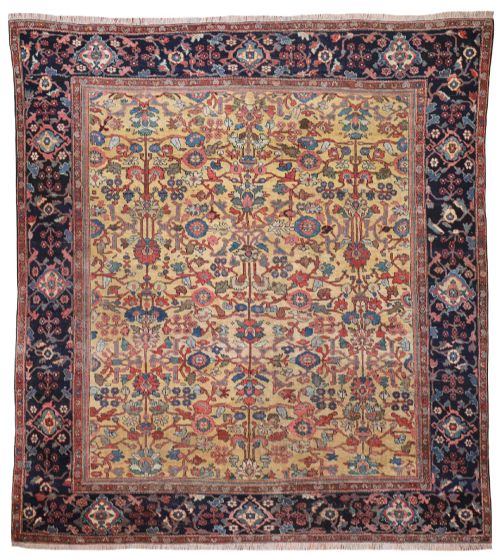
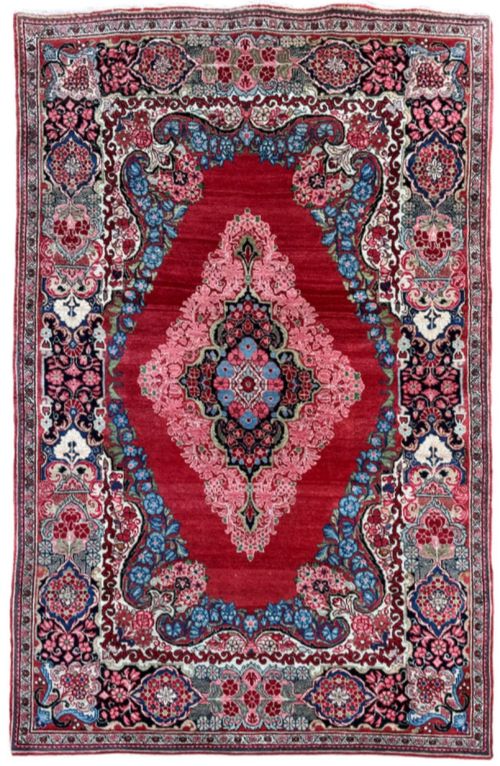
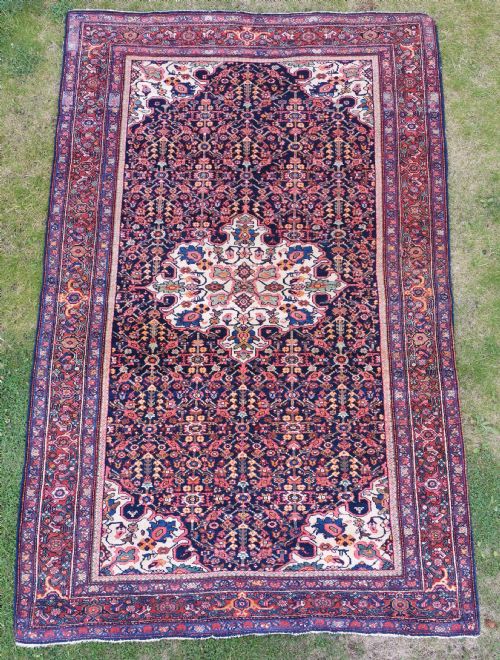
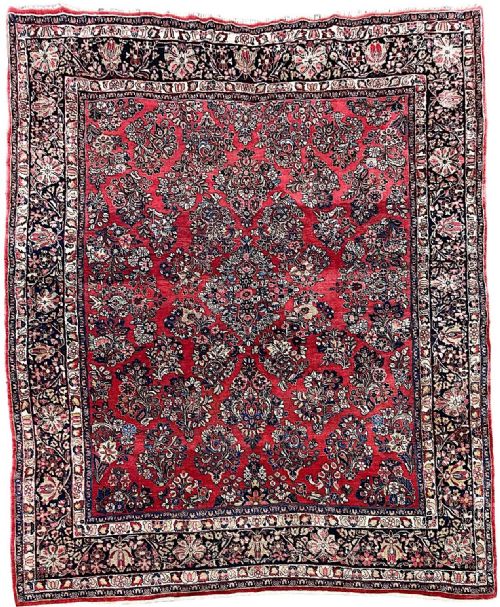
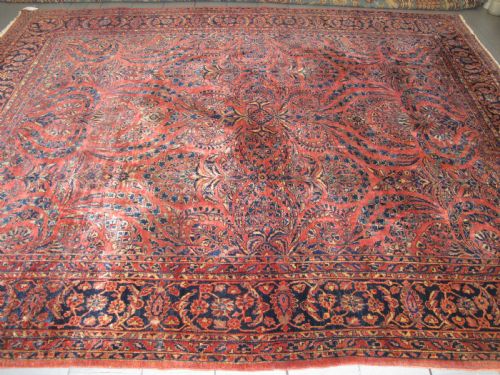
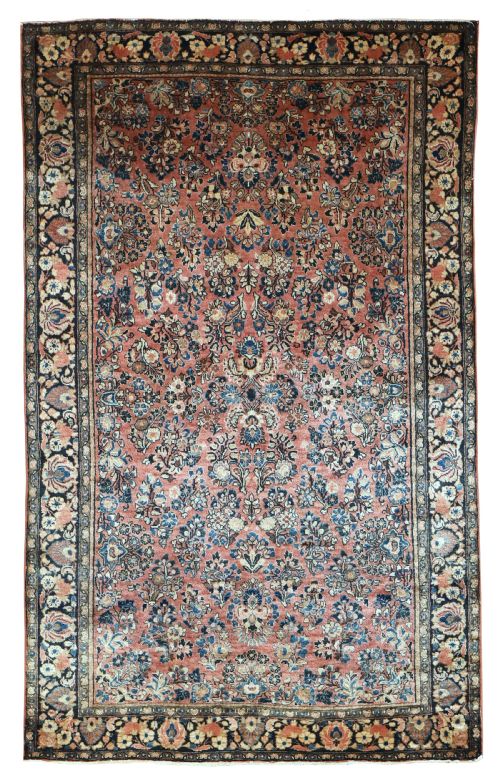
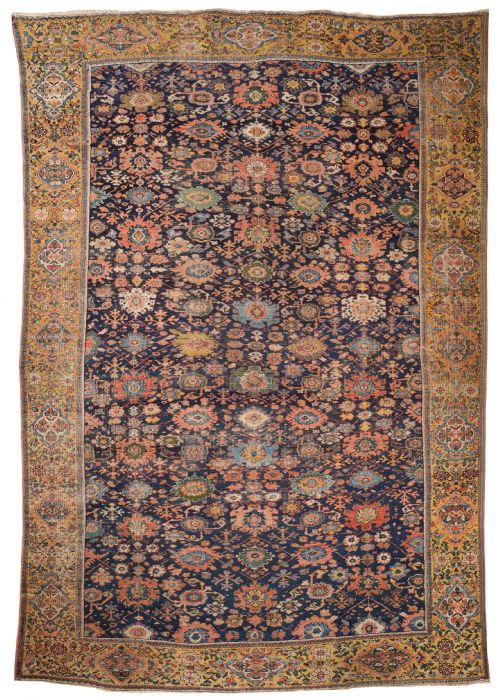
A sarouk area rug originates from West Persia, encompassing traditional Persian styles that feature classical motifs, floral sprays, and medallion layouts. When searching for a sarouk area rug, buyers encounter pieces dating from the nineteenth century through the early twentieth century, including village and city productions.
The inventory on this page highlights diverse formats ranging from compact village rugs to large carpets suitable for principal rooms. Pieces often bear regional designations such as Ferahan or Jozan, reflecting the specific weaving traditions of West Persia.
Makers and weavers in these regions utilised durable materials and time-honoured techniques to create floor coverings designed for enduring utility. Each specimen carries distinct aesthetic traits tied to its specific period of origin.
How they were made
These floor coverings utilise a foundation of cotton for warp and weft threads, providing structural stability and strength. Wool provides the pile, sheared from local livestock and spun by hand before being dyed.
Weavers knotted the wool yarn onto the cotton foundation by hand, creating a dense and resilient pile capable of withstanding heavy daily foot traffic. Vegetable and mineral dyes supplied the traditional colour palette seen across these Persian pieces.
Sarouk Area Rug Retail Price Guide 2026
Typical asking prices for sarouk area rug among the pieces listed under this phrase on Sellingantiques today, from the lower quarter to the upper quarter. They describe what is for sale here now, not the wider market.
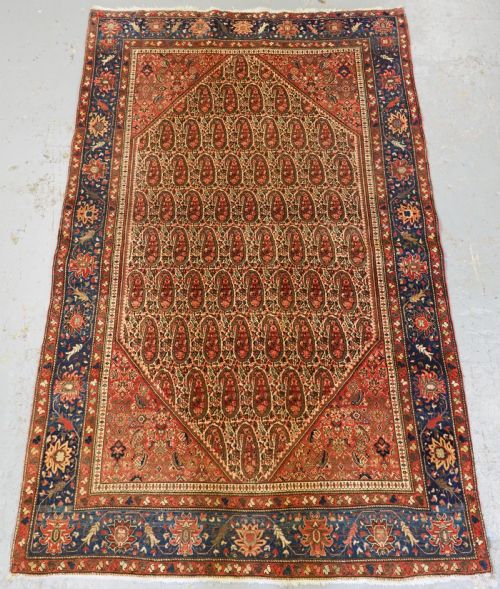
Keep an eye out for rogue birds hiding amongst the pomegranates on traditional village rugs.
What varies in quality
Knot density and structural tightness dictate the fineness of the weave, separating simpler village productions from finer workshops. A tighter weave allows for greater clarity in intricate floral patterns and pictorial elements.
The condition of the wool pile and the integrity of the cotton foundation determine the overall preservation of each piece. Retaining the original selvedges and ends indicates careful stewardship over the decades.
The Sarouk Area Rug Glossary
- Sarouk
- A type of Persian rug originating from the village of Sarouk and the surrounding Markazi region in West Persia. These pieces are renowned for sturdy construction and classical floral designs.
- Ferahan
- A stylistic classification linked to carpets woven in the Ferahan district of West Persia, often associated with fine knotting and delicate overall patterns. Pieces from this tradition frequently predate the early twentieth century.
- Boteh
- A stylised almond or paisley motif representing a floral shoot or cypress tree, commonly found woven into traditional Persian carpets. This symbol has ancient roots in textile design.
- Jozan
- A village production style associated with the Sarouk region, known for distinctive local motifs and robust village weaving techniques. Jozan rugs often display rich coloration and durable wool piles.
- Mahal
- A trade term used for larger commercial carpets produced in the Sarouk and Ferahan districts, generally featuring more open or spaced designs than their finer city counterparts.
Sarouk Area Rug: Frequently Asked Questions
Where were sarouk area rugs made?
These floor coverings originate from West Persia, specifically centered around the village of Sarouk and surrounding districts like Ferahan and Jozan. Local weavers utilised traditional regional designs passed down through generations.
Production spanned from the nineteenth century into the early twentieth century, encompassing both smaller village rugs and substantial carpets woven for domestic use and export.
What materials are used in these rugs?
Traditional pieces utilise a sturdy cotton foundation for the warp and weft threads, ensuring structural stability and longevity. The pile is spun from wool, which provides a soft yet resilient surface.
Natural dyes supplied the traditional colour palette, resulting in rich tones that mellow gracefully over decades of use.
How do I care for a vintage rug?
Regular gentle vacuuming without a beater bar removes trapped dust and protects the wool pile from abrasive particles. Professional cleaning by specialists in antique textiles ensures the cotton foundation and wool fibres remain undamaged.
Positioning the rug out of direct sunlight prevents premature fading of traditional vegetable dyes.
How do I identify a Ferahan piece?
Ferahan pieces typically exhibit finer knotting and more delicate floral or Herati patterns compared to standard village weaves. They often date from the nineteenth century and reflect the sophisticated aesthetic of West Persian workshops.
Examining the density of the wool pile and the intricacy of the border designs helps distinguish these specific regional carpets.