


Sapphire Statement Ring
A sapphire statement ring brings serious presence to the hand, combining significant central stones with strong precious metal settings.
Sapphire Statement Ring
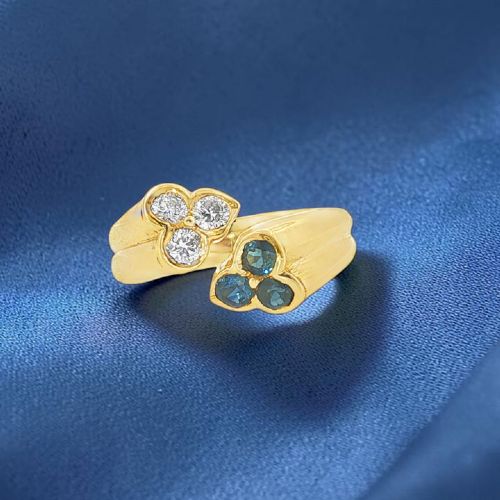
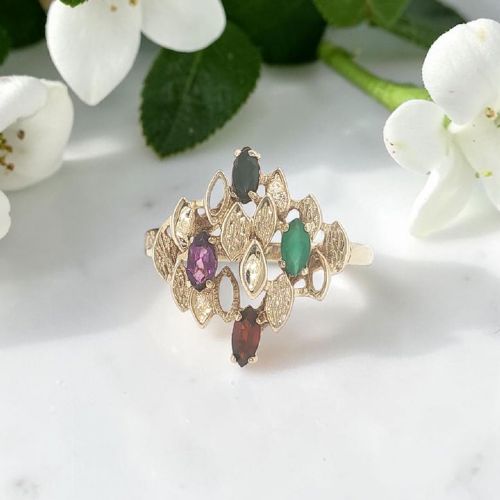
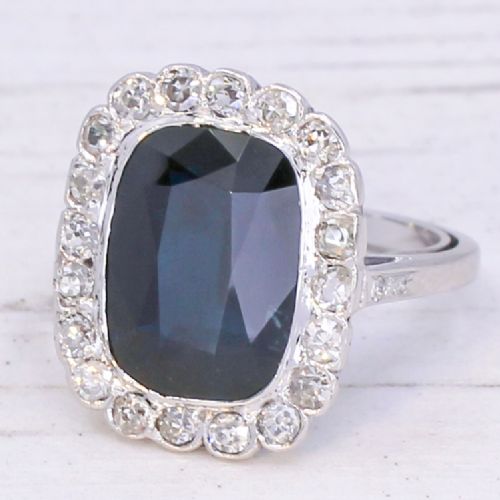
A sapphire statement ring is a bold piece of jewellery designed to draw the eye through substantial stone size and striking design. When you search for a sapphire statement ring, you encounter prominent cocktail rings, dress rings, and cluster formations that prioritise visual impact.
The pieces on this page span from the Edwardian era through Art Deco, Mid-Century, Retro, and 1970s vintage designs. You are most likely to meet substantial cluster configurations where a prominent sapphire takes centre stage, surrounded by sparkling diamonds in platinum or gold.
Materials and construction
Craftsmen built these statement pieces using durable precious metals including platinum, 18ct yellow gold, 18ct white gold, 9ct gold, and 14ct gold. These metals provide the structural integrity required to securely hold large gemstones.
Gems such as diamonds, emeralds, amethysts, garnets, and opals frequently accompany the central sapphires, particularly in cluster and multi-stone configurations. Stones are shaped into distinctive formats like pear cuts and set within intricate platinum pave or gold mountings.
Listings feature platinum, 18ct yellow gold, 18ct white gold, and 9ct gold across Edwardian, Art Deco, and Mid-Century periods.
Quality factors in statement rings
The distinction between average and exceptional pieces rests primarily on the origin, treatment, and sheer weight of the sapphire itself. Unheated stones and stones with specific geographic provenances like Burma or Ceylon command greater attention from collectors.
The quality of the surrounding diamonds and the finesse of the metalwork also dictate the tier of the piece. Fine platinum work from the Art Deco period or substantial yellow gold settings from mid-century makers elevate the overall execution of the design.
Kutchinsky
The Sapphire Statement Ring Glossary
- Cluster ring
- A ring featuring a central gemstone surrounded by a cluster of smaller stones, typically diamonds. This layout maximises overall sparkle and visual presence on the finger.
- Cocktail ring
- A large, showy ring designed to be worn at parties and formal evening events. These rings purposefully exaggerate stone size and mounting design.
- Unheated sapphire
- A sapphire that has not undergone thermal enhancement to improve its natural colour or clarity. These untreated stones are valued for their natural formation.
- Old cut diamond
- A diamond cut in the traditional styles prevalent before the invention of the modern brilliant cut. These stones feature smaller tables and larger culets that catch candlelight warmly.
- Pave set
- A setting style where small diamonds are closely set together with minimal visible metal. This technique creates a continuous surface of shimmering stones.
Sapphire Statement Ring: Frequently Asked Questions
How do I wear a sapphire statement ring?
Wear your statement ring on its own on your hand to let the central stone and surrounding metalwork command full attention without competition from other bands.
Reserve these bold pieces for occasions where larger jewellery suits the setting, protecting the stones from heavy daily wear.
Are these rings suitable for daily wear?
Sapphires score nine on the Mohs scale of hardness, making them exceptionally durable for everyday use.
However, the high settings and large stone sizes found on statement rings require care to avoid striking hard surfaces.
What is the difference between Ceylon and Burmese sapphires?
Ceylon sapphires originate from Sri Lanka and often display vivid, bright blue tones alongside unusual yellow varieties. Burmese sapphires come from Myanmar and are frequently noted for deep, saturated blue hues.
Both origins are highly prized by collectors for their natural beauty.
How do I identify an Art Deco sapphire ring?
Art Deco rings typically feature geometric symmetry, platinum settings, and old-cut diamonds arranged in precise linear or clover motifs. The metalwork often includes fine millegrain detailing along the edges.
These pieces reflect the modernist design sensibilities of the 1920s and 1930s.