


Rustic Yew Wood Seating
These rustic yew wood seating pieces offer the honest character and sturdy construction that collectors prize for country house interiors.
Rustic Yew Wood Seating
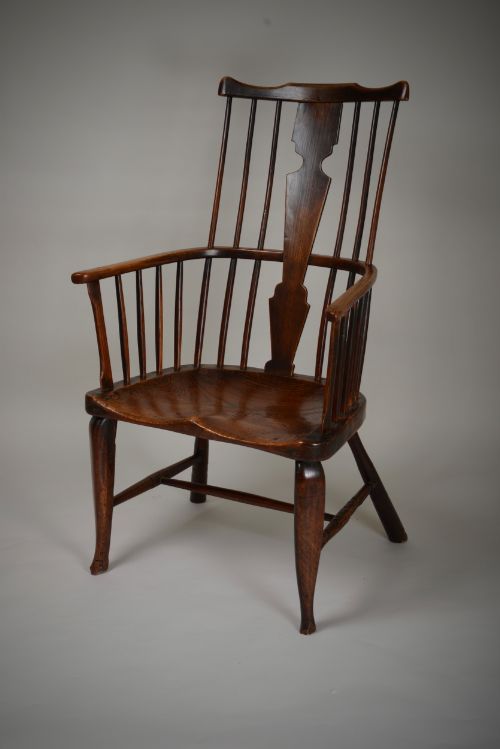
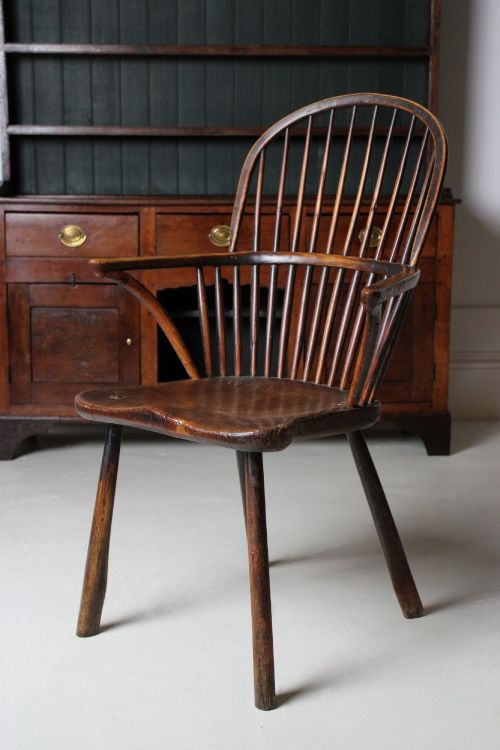
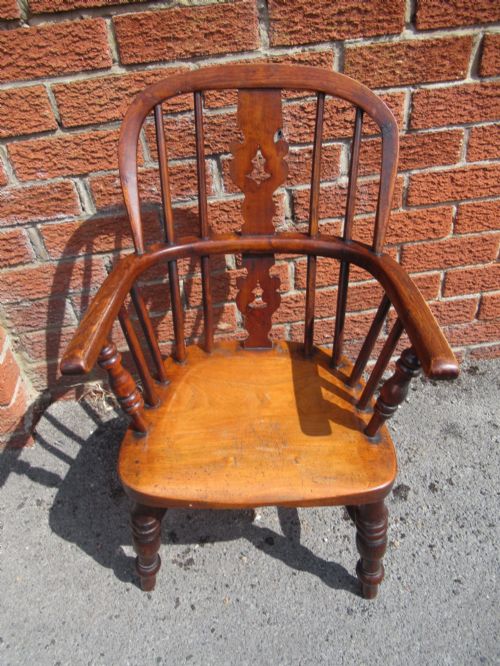
Rustic yew wood seating encompasses vernacular forms such as Windsor armchairs, high-back chairs, rocking chairs, stools, and childs chairs produced across the eighteenth and nineteenth centuries. The listings on this page span Georgian, Victorian, and later periods, capturing the traditional domestic output of English makers.
The most common forms encountered here are Windsor armchairs, often featuring comb backs or high backs constructed in regional styles like the Thames Valley tradition. Stools and childs chairs appear alongside pairs and individual armchairs, showing the practical domestic scale of these vernacular objects.
Materials and construction
Makers utilised yew wood alongside complementary timbers including elm, ash, beech, and fruitwood to build these chairs and stools. Yew was frequently paired with elm for seats or ash for spindles, balancing strength with distinctive grain patterns.
Joinery relied on traditional stick and Windsor construction techniques, embedding spindles directly into thick saddles and adding steam-bent bows for backrests. These methods created resilient seating designed for daily use in country houses and rural homes.
Lobster pot construction provides extra security for the sitter, though no actual lobsters were harmed in the making of your chair.
Assessing quality and proportion
Quality in rustic yew wood seating rests upon the visual richness of the timber grain and the balance of the proportions. Richly figured yew combined with contrasting elm seats elevates an example above plainer utility pieces.
The integrity of the original construction and the survival of patinated surfaces dictate the standing of each piece. Untouched country house examples retain the marks of early tools and the deep warmth acquired through centuries of handling.
The Rustic Yew Wood Seating Glossary
- Windsor chair
- A chair built with a solid wooden seat into which the legs and back spindles are directement driven. These seating forms developed deep regional variations across England.
- Comb back
- A Windsor chair back design where the vertical spindles rise to a horizontal headboard resembling the teeth of a comb. This style offers slender support and lighter visual weight.
- Thames Valley
- A recognised regional English production centre known for refined Windsor chairs featuring distinctively figured yew wood. Pieces from this area display exceptional joinery and elegant spindle turning.
- Vernacular
- Objects made by local craftsmen following regional traditions rather than strict academic style guidelines. These pieces prioritize practical utility and local materials over fashionable ornamentation.
- Pad arm
- An upholstered or shaped wooden armrest terminal found on certain high-back Windsor chairs. This detail provides extra comfort for the sitter.
Rustic Yew Wood Seating: Frequently Asked Questions
What is a Windsor chair?
A Windsor chair is a form built with a thick wooden seat that anchors the legs below and the back spindles above. This clever construction creates a strong, unified seating piece without requiring bulky framing.
These chairs developed numerous regional styles across England, utilising local timbers like yew, elm, and ash to achieve both flexibility and rigid support.
How do I date an old Windsor chair?
Dating relies on examining the turning of the spindles, the wear patterns on the wooden seat, and the construction methods used underneath. Georgian and eighteenth-century examples often feature different turning profiles compared to later nineteenth-century pieces.
Timber choice and the presence of regional tool marks also help establish the likely period of manufacture for each individual armchair or stool.
How do I care for yew wood seating?
Yew wood seating requires stable indoor humidity levels away from direct heat sources and strong sunlight to prevent timber movement. Applying a light coat of appropriate wax helps preserve the natural surface patina.
Regular, gentle dusting keeps the grain clear and maintains the historical finish without stripping away the character accumulated over centuries of use.