

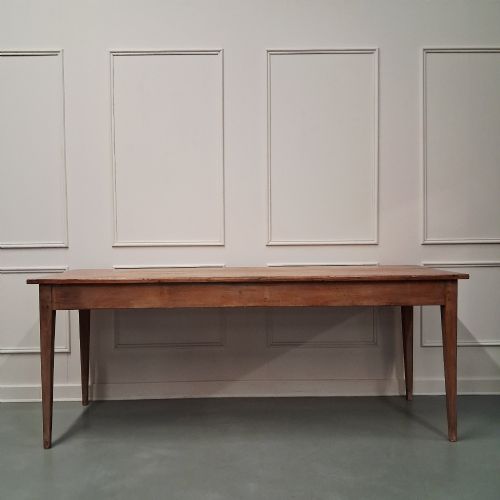
Rustic Workbench
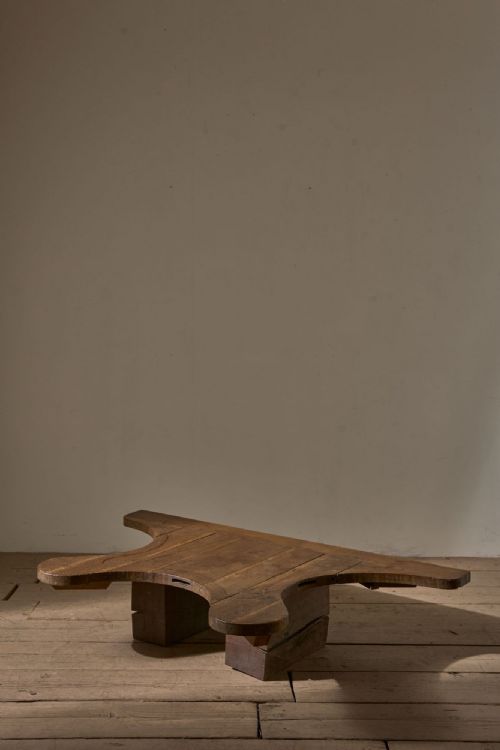
A rustic workbench brings practical history into a modern room, offering sturdy work surfaces shaped by decades of trade and daily labour.
Rustic Workbench
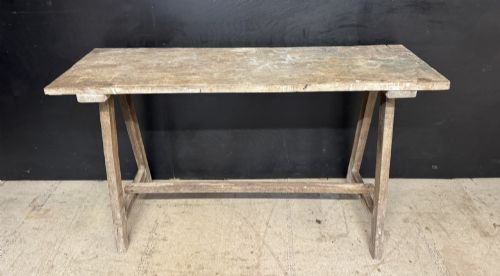
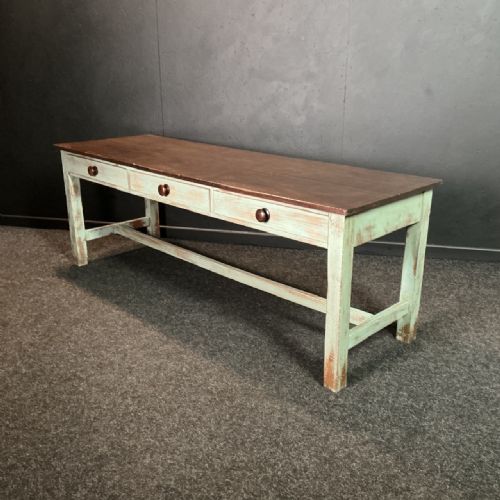
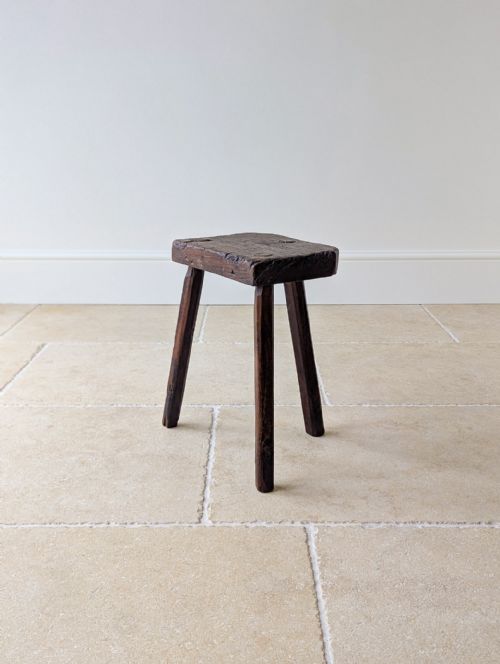
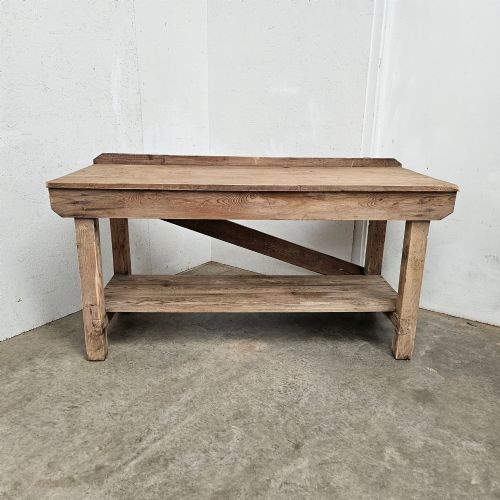
When you search for a rustic workbench, you encounter heavy timber tables and industrial work surfaces built for trades such as carpentry, tailoring, and food preparation. These pieces originate from the nineteenth century through to the early twentieth century, spanning Victorian, Edwardian, and continental European periods.
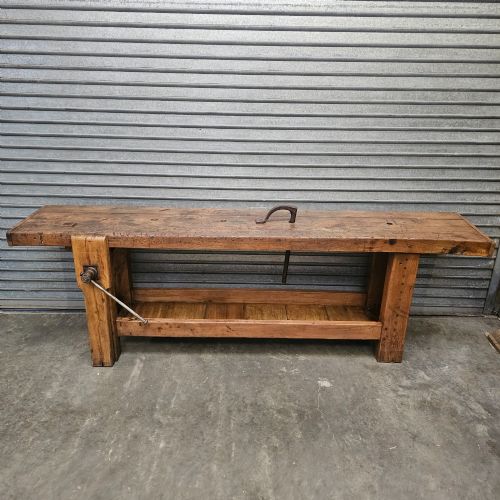
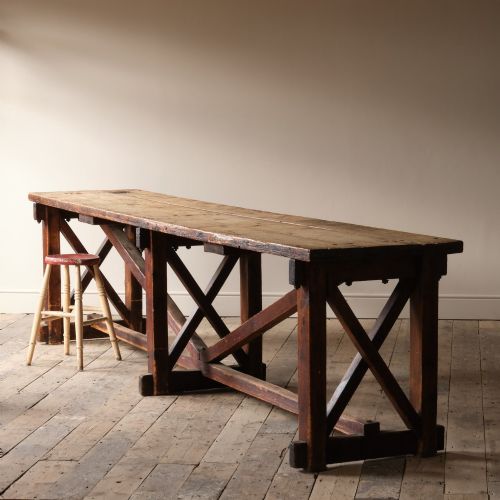
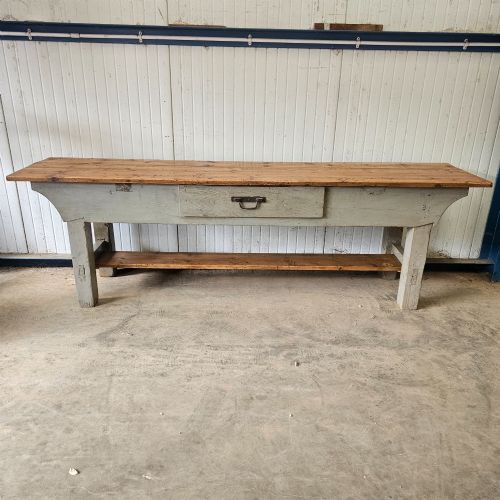
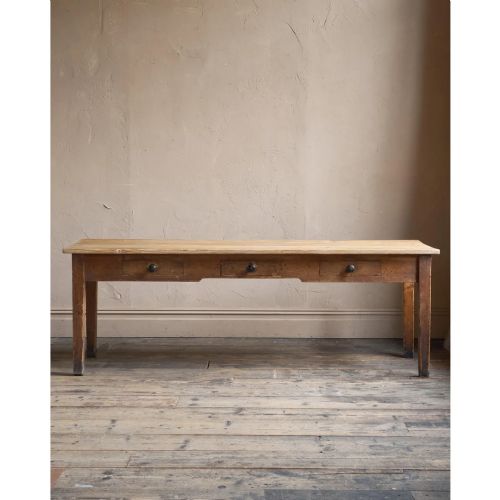
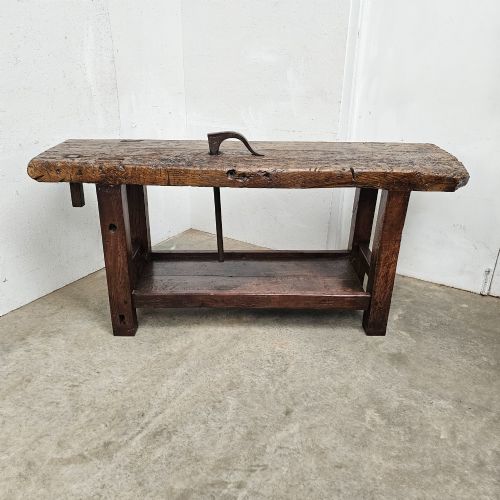
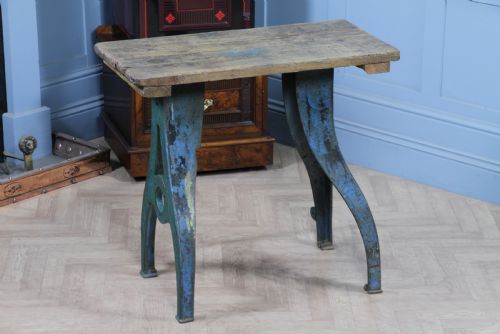
The most common forms on this page include French and English work tables, artisan benches fitted with vices or clamping bars, and school or sorting tables. Materials are predominantly solid pine, oak, elm, and beech, often supported by cast iron machine bases or trestle framing.
How they were made
These pieces rely on heavy timber construction, utilising thick pine, oak, and elm tops jointed to sturdy legs or cast iron bases. Makers built them for utility, employing robust joinery such as mortise and tenon frames to withstand the heavy loads of workshops and sculleries.
Surfaces often show the physical evidence of their working lives, finished simply with natural wax, paint, or left bare after decades of scrubbing. Mechanisms like wooden vices and metal clamping bars were integrated directly into the structural woodwork.
Rustic Workbench Retail Price Guide 2026
Typical asking prices for rustic workbench among the pieces listed under this phrase on Sellingantiques today, from the lower quarter to the upper quarter. They describe what is for sale here now, not the wider market.
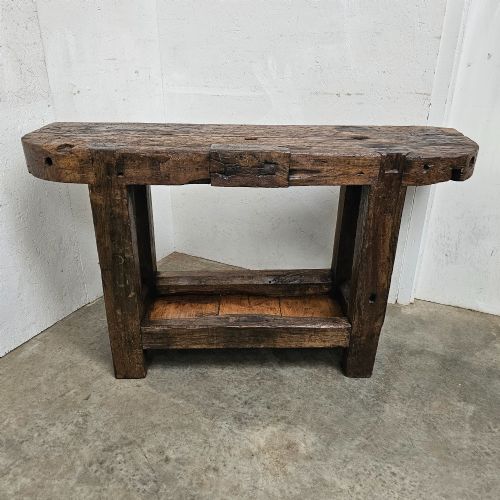
Several benches retain the distinct indentations of long-forgotten woodworker's vices and stray carpenter's pencil marks.
What varies in quality
Quality in these pieces rests upon the integrity of the original timber and the proportion of the form. A well-proportioned frame with deep, unthinned top boards commands greater presence than a heavily restored or altered surface.
The character of the patina distinguishes an honest survivor from a fabricated item. Genuine accumulation of wear, tool marks, and historical paint layers provide depth that mechanical sanding removes.
The Rustic Workbench Glossary
- Workbench
- A heavy utilitarian table fitted with vices, stops, or tool wells designed specifically for manual trades and craftspeople.
- Trestle table
- A board resting on two or more supporting frames, allowing maximum legroom and easy dismantling.
- Scullery table
- A large wooden utility table used historically for food preparation, washing, and domestic chores.
- Patina
- The surface sheen and colour acquired by wood and metal through decades of handling, exposure, and wax application.
- Clamping bar
- A wooden or metal screw mechanism built into a workbench to hold timber securely in place during cutting or shaping.
Rustic Workbench: Frequently Asked Questions
How do I clean a wooden workbench?
Wipe the surface gently with a damp cloth and mild soap, avoiding harsh chemical cleaners that strip the historical finish. Apply a clear beeswax periodically to nourish the dry timber and protect the aged grain.
Allow the wax to dry before buffing it softly with a clean cotton cloth. This preserves the genuine surface character without creating an artificial shine.
Can I use an antique workbench as a kitchen island?
These pieces function exceptionally well in modern kitchens due to their generous proportions and durable wooden tops. Many historical examples provide useful lower shelves or drawers for storing cookware and utensils.
Ensure the working height suits your space, as older tables occasionally sit lower than standard modern kitchen counters. Standing a piece on subtle blocks can adjust the height if necessary.
How do I date a nineteenth-century work table?
Examine the construction methods, tool marks left on the underside, and the type of fixings used in the frame. Hand-sawn boards and old iron screws generally point towards Victorian production methods.
Compare the timber species and wear patterns with documented examples from the same period. Regional styles in French and English workshops also offer clues to the decade of manufacture.
Are these workbenches structurally stable?
Most surviving examples have settled into sturdy frames after enduring heavy use in trade environments for a century or more. The combination of thick pine, oak, or elm provides natural weight and balance.
Check that the joints remain tight and the legs sit flat on the floor without excessive rocking. Minor movement is normal for utilitarian furniture and rarely affects daily usage.