

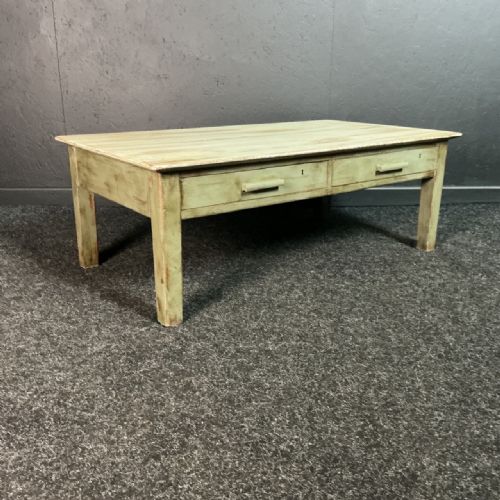


Rustic Wooden Tea Table
A rustic wooden tea table brings straightforward utility and historic warmth to a room, drawing on centuries of domestic craft.
Rustic Wooden Tea Table
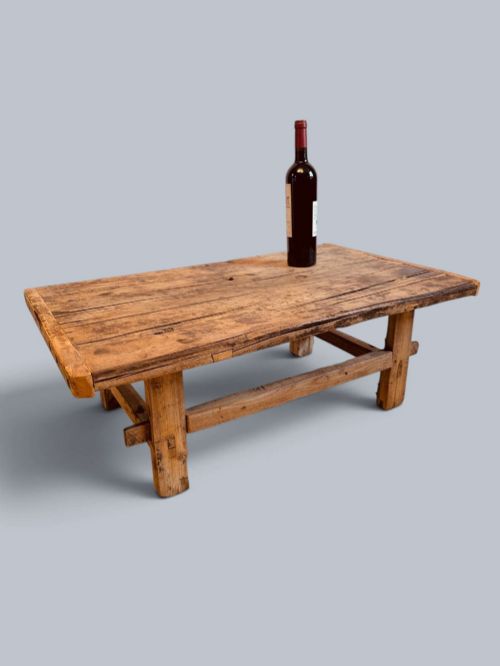
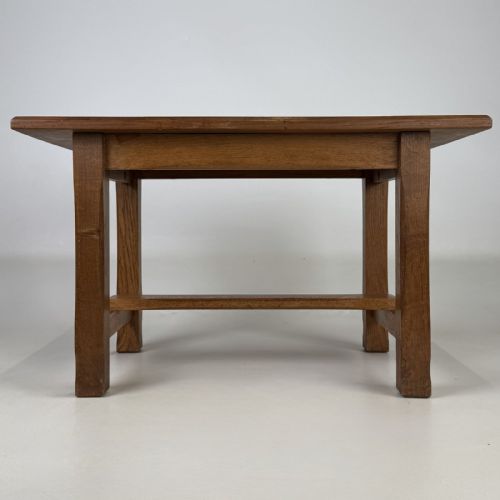
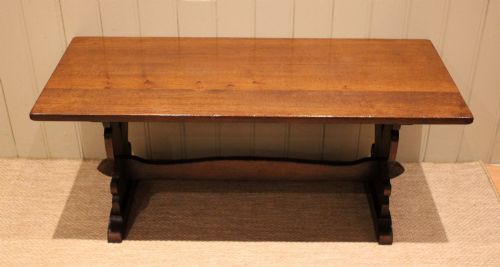
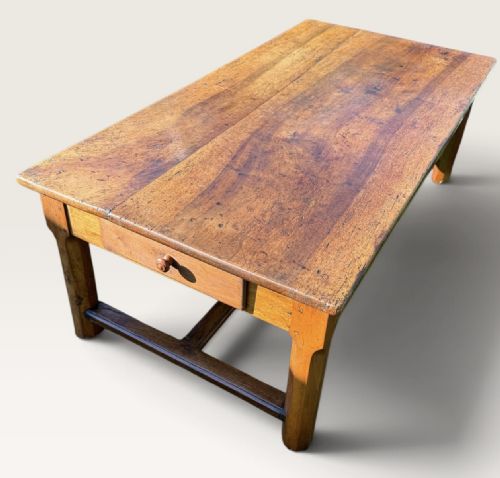
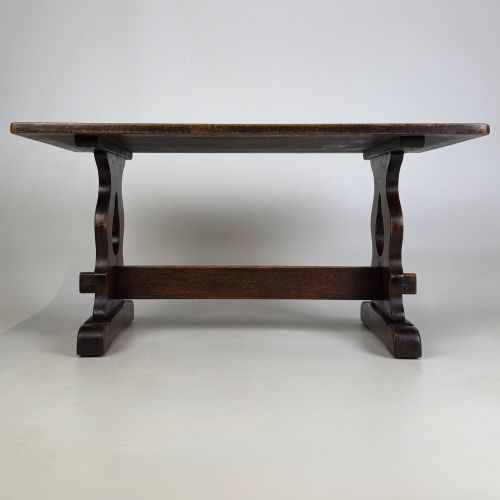
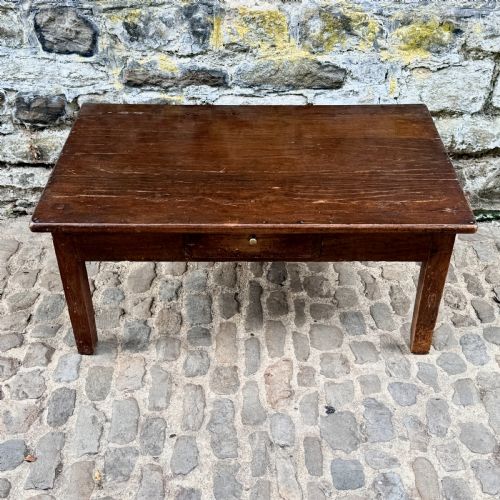
When you search for a rustic wooden tea table, you encounter low tables, coffee tables, and occasional tables originating from various European and international traditions. The selection spans utilitarian farmhouse pieces, provincial country items, and defined movements like Arts and Crafts.
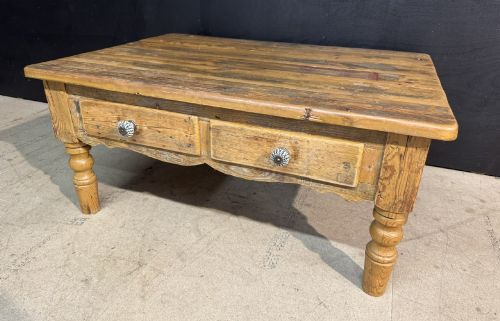
Oak, pine, and elm appear frequently across the inventory, often shaped into coffee tables or side tables with turned legs, drawers, or drop leaves. These pieces bridge formal dining history and relaxed modern living spaces.
Materials and construction methods
Makers utilised solid timbers such as oak, walnut, pine, elm, and cherrywood, sometimes applying paint finishes to hardwood or softwood surfaces. Construction relies on traditional joinery techniques suited to sturdy domestic use.
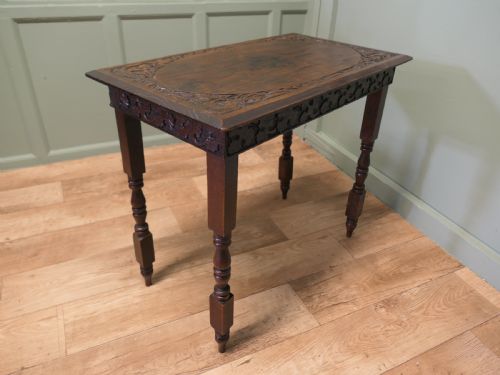
Specific forms incorporate turned legs, bobbin turnings, tripod bases, and carved details such as Celtic motifs. Drawers and drop leaves add functional flexibility to these low and occasional tables.
Rustic Wooden Tea Table Retail Price Guide 2026
Typical asking prices for rustic wooden tea table among the pieces listed under this phrase on Sellingantiques today, from the lower quarter to the upper quarter. They describe what is for sale here now, not the wider market.
Tables recorded as quirky English items demonstrate that country carpenters enjoyed surprising clients with whimsical proportions.
Factors influencing quality
The choice of timber heavily influences the character and substance of each piece, with dense hardwoods like oak and walnut differing fundamentally in grain and weight from softer pine or fruitwood. Timber selection dictates both longevity and the visual depth of the surface.
The precision of turned legs, the integration of drawers, and the preservation of original painted or polished finishes distinguish exceptional examples from simpler utilitarian items. Masterful execution in carving and joinery elevates regional country pieces into notable decorative objects.
The Rustic Wooden Tea Table Glossary
- Drop leaf
- A hinged table leaf that folds down when not in use and is supported by swing brackets or legs when raised. This mechanism allows a table to expand its surface area flexibly.
- Refectory style
- A long, narrow table design historically used in dining halls and adapted for domestic low and coffee tables. It often incorporates sturdy stretcher bases for added stability.
- Bobbin turned
- A style of furniture leg or stretcher shaped on a lathe to resemble a string of beads or bobbins. This decorative turning technique became popular in seventeenth-century joinery and later revivals.
- Tripod table
- A small freestanding table supported by a pillar on three legs. This design provides stability on uneven floors and allows easy movement around a room.
Rustic Wooden Tea Table: Frequently Asked Questions
How do I clean an antique wooden table?
Dust surfaces regularly with a soft, dry cloth to prevent dirt accumulation.
Avoid chemical polishes and excessive moisture, using mild beeswax occasionally to nourish aged timber and maintain the natural finish.
Where were these tables made?
These tables originate from various domestic workshops across Europe, Scandinavia, and Asia.
Local makers utilised regional woods like oak, pine, elm, and walnut to build tables suited for everyday domestic utility.
How do I identify the wood type?
Examine the grain pattern, colour, and weight of the timber.
Oak displays prominent medullary rays, pine is softer with distinct knots, and fruitwoods like cherry offer a smooth, warm tone with fine grain.