

Rustic Wooden Dresser Drawers
Rustic wooden dresser drawers bring practical storage and honest utility to any room, offering robust construction and enduring character.
Rustic Wooden Dresser Drawers
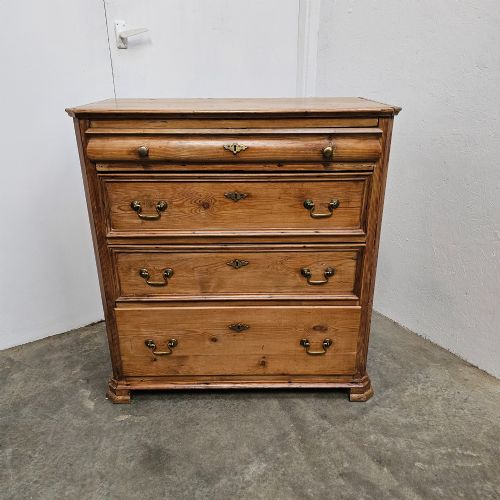
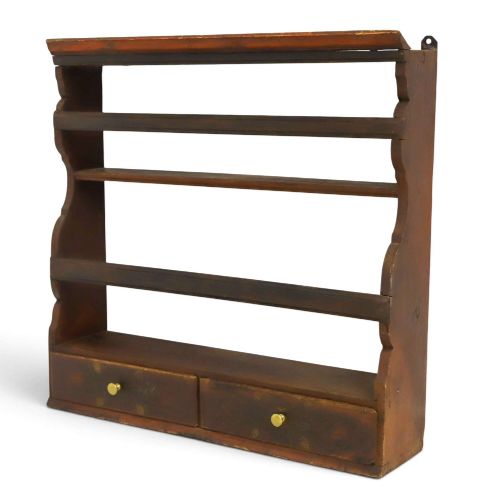
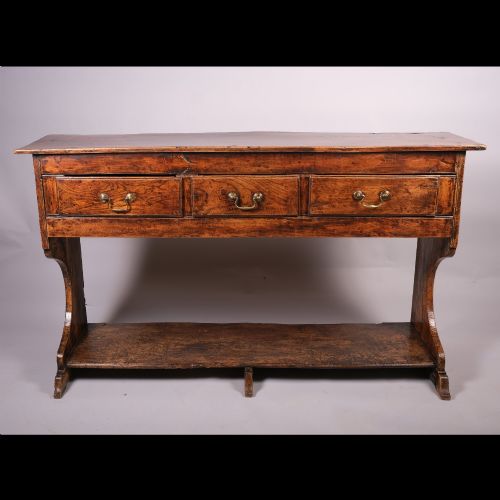
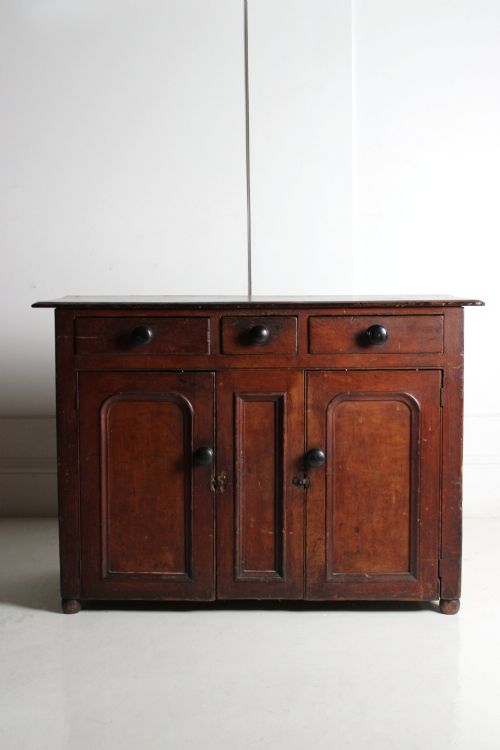
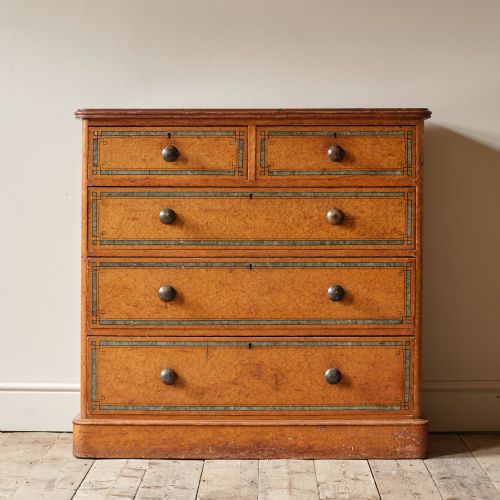
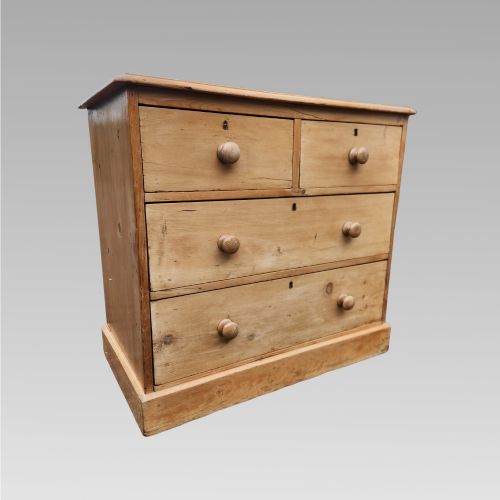
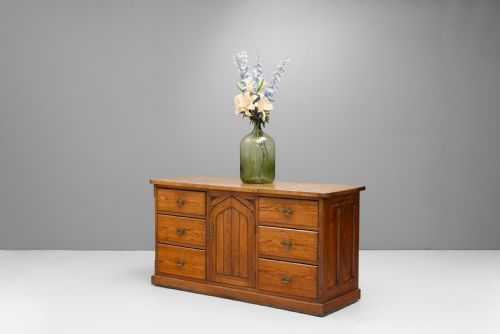
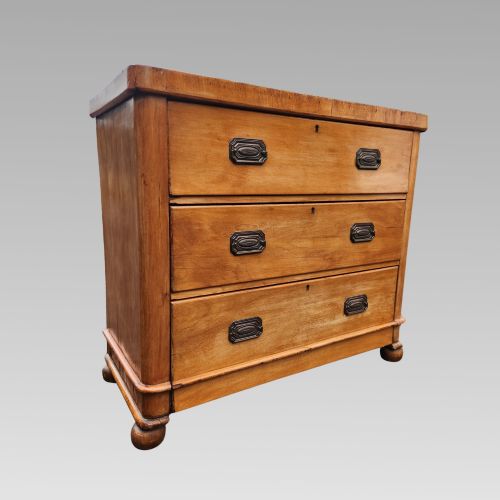
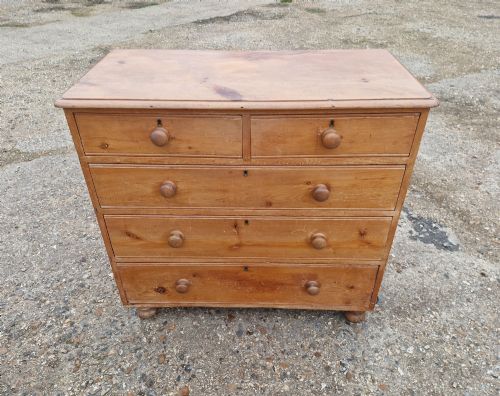
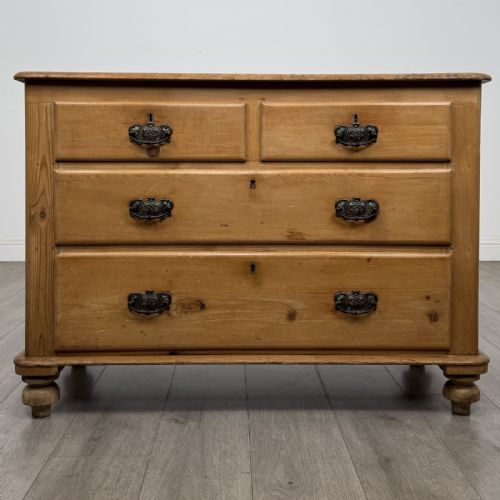
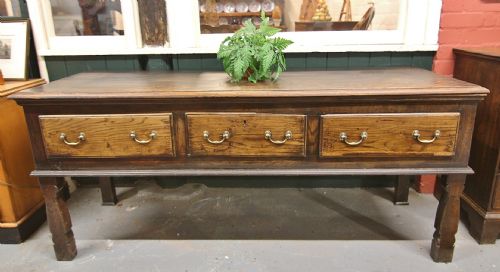
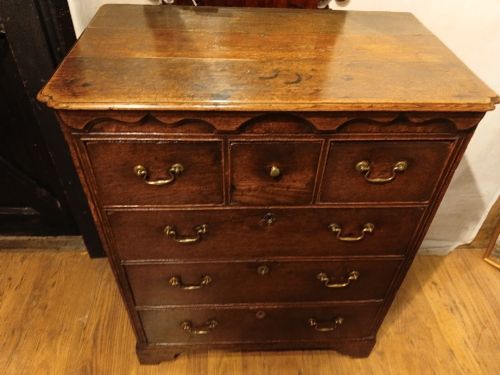
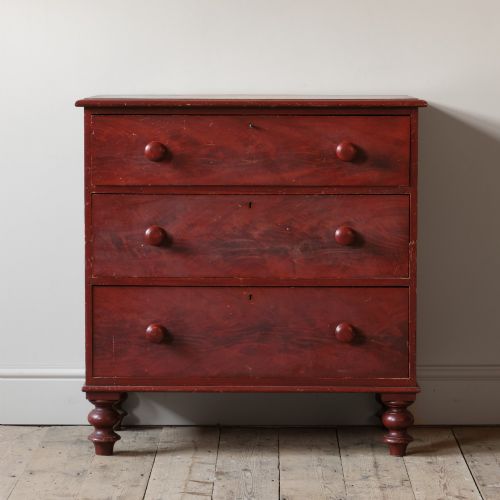
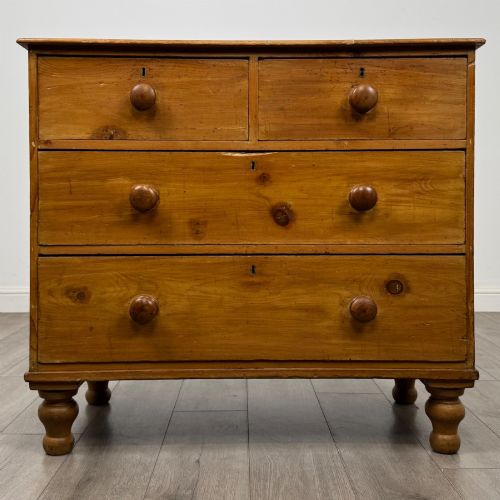
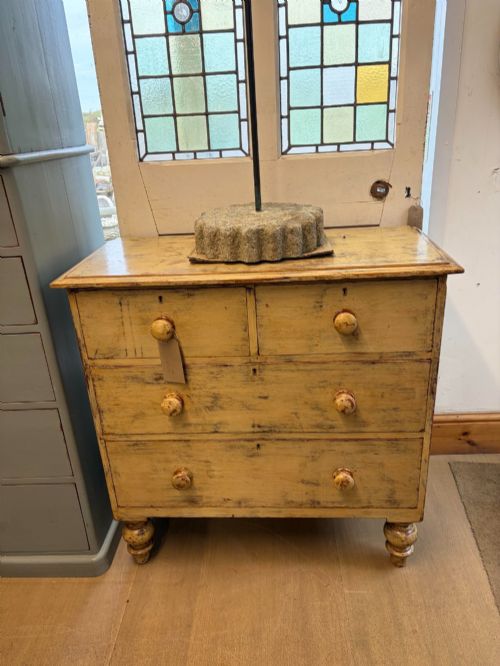
Rustic wooden dresser drawers encompass a variety of robust storage forms, most frequently appearing as nineteenth-century pine chests of drawers and oak dresser bases. Buyers searching for rustic wooden dresser drawers will encounter solid timber constructions originating from English, Welsh, Irish, and Continental workshops. These pieces range from low, wide configurations with multiple drawer arrangements to tall bedroom storage units and kitchen dresser bases with potboards.
The selection reflects traditional regional designs spanning the eighteenth, nineteenth, and early twentieth centuries. Pieces categorized under this phrase incorporate styles such as Victorian country, Arts and Crafts, and French provincial, alongside functional serving tables and sideboards. Buyers will predominantly discover pieces fashioned from scrubbed, waxed, or painted pine and oak.
Materials and Construction Techniques
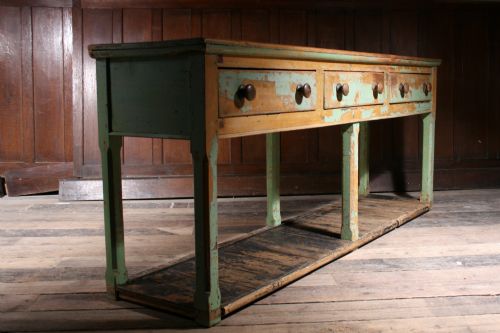
Makers utilised solid timbers predominantly from locally available sources, relying on pine, oak, elm, and pitch pine to build carcases and drawer boxes. Surfaces were frequently left with a waxed finish, scrubbed bare, or coated in original paint layers that survive from the period of manufacture. Brass, iron, and ceramic elements appear as hardware, alongside turned wooden bun handles fitted to drawer fronts.
Joinery techniques matched the functional demands of daily domestic use, producing sturdy joints that secured the timber panels together over generations. Many larger examples, such as regional dressers and chests, were constructed in two distinct parts to facilitate transport within homes. Structural elements relied on thick boards, dovetailed drawer construction, and solid backs that ensured long-term stability.
Rustic Wooden Dresser Drawers Retail Price Guide 2026
Typical asking prices for rustic wooden dresser drawers among the pieces listed under this phrase on Sellingantiques today, from the lower quarter to the upper quarter. They describe what is for sale here now, not the wider market.
Listings demonstrate a strong predominance of nineteenth-century pine chests of drawers alongside eighteenth-century oak dresser bases.
Assessing Quality and Character
Quality in these pieces is dictated by the integrity of the original timber and the survival of historic surface finishes such as untouched paint or warm, aged wax. Superior examples exhibit well-proportioned dimensions, balanced drawer configurations, and robust structural joinery without heavy timber replacement.
Distinctions in value rest upon regional origin, the presence of original hardware like brass or bun handles, and the authenticity of the patination. Pieces that retain their original potboards, backboards, and untouched painted surfaces display the higher tier of craftsmanship found within this category.
The Rustic Wooden Dresser Drawers Glossary
- Dresser base
- A lower cabinet featuring drawers and cupboards, traditionally used in kitchens and dining rooms for food preparation and storage. These items often include potboards or open lower shelves.
- Scrubbed pine
- Timber that has been repeatedly washed down to a clean, pale finish, removing old layers of varnish or wax. This treatment highlights the natural grain of the wood.
- Potboard
- An open lower shelf built into the base of a Welsh or English dresser, historically utilised for storing pots and pans. It forms an integral part of the piece's structural framing.
- Bun handle
- A small, rounded wooden knob turned on a lathe and attached to the front of a drawer for pulling it open. These are commonly found on nineteenth-century pine chests.
- Commode
- A low piece of furniture containing drawers or cupboards, originating from French cabinet-making traditions. The term frequently applies to formal or provincial Continental storage pieces.
Rustic Wooden Dresser Drawers: Frequently Asked Questions
What defines rustic wooden dresser drawers?
These items are practical storage furniture constructed primarily from solid pine, oak, and elm during the eighteenth and nineteenth centuries. They include bedroom chests of drawers, kitchen dresser bases, and painted sideboards.
The aesthetic relies on honest craftsmanship, visible timber grain, and surfaces finished with historic wax, scrubbed pine, or original paint layers rather than high-gloss veneers.
How were these drawers used historically?
Households utilised these pieces for domestic storage in bedrooms, kitchens, and living spaces to hold linens, clothing, and tableware. Kitchen variants served as preparation surfaces while keeping pots and dry goods organised below.
Their robust construction allowed them to withstand heavy daily use in busy homes across Britain, Ireland, and Continental Europe.
How do I care for waxed or painted pine?
Maintain waxed pine surfaces by applying a natural beeswax polish periodically to nourish the timber and preserve the soft sheen. Avoid placing the furniture near direct heat sources or strong sunlight to prevent warping and drying out.
Painted pieces require gentle dusting with a dry cloth and protection from moisture to safeguard the original historic finish.
How do I tell different periods apart?
Eighteenth-century examples often feature heavy oak construction with pegged joinery and fielded panels typical of early dresser bases. Nineteenth-century pieces frequently utilise pine, offering dovetailed drawer boxes, turned bun handles, and occasional painted surfaces.
Early twentieth-century items from the Edwardian or Arts and Crafts periods display simpler lines, lighter golden oak tones, and functional hardware.