





Rustic Wood Credenza
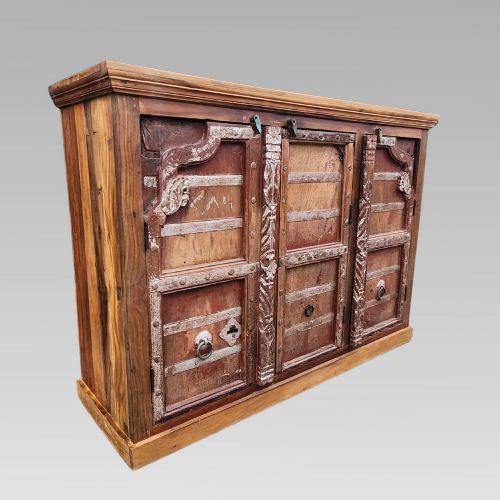
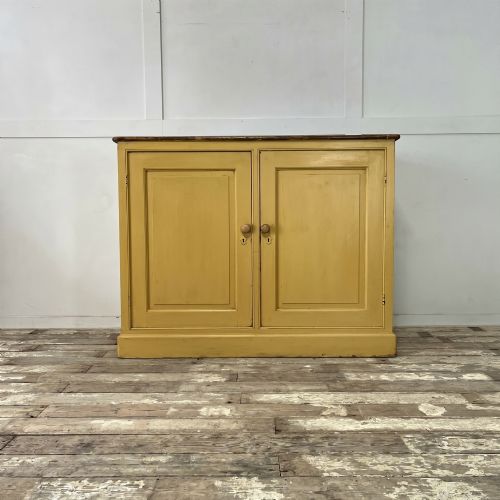
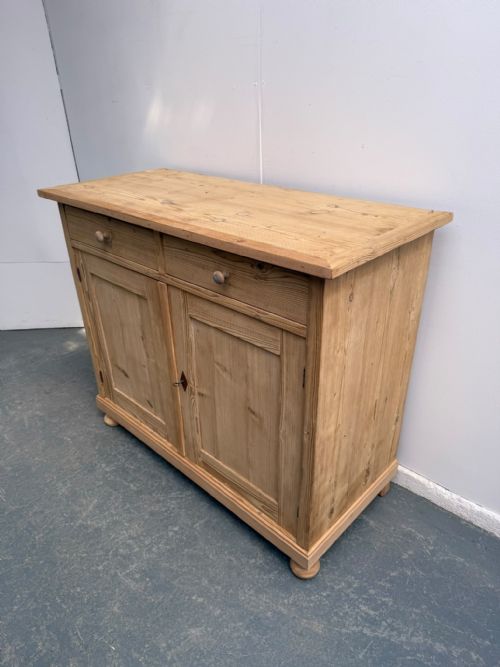
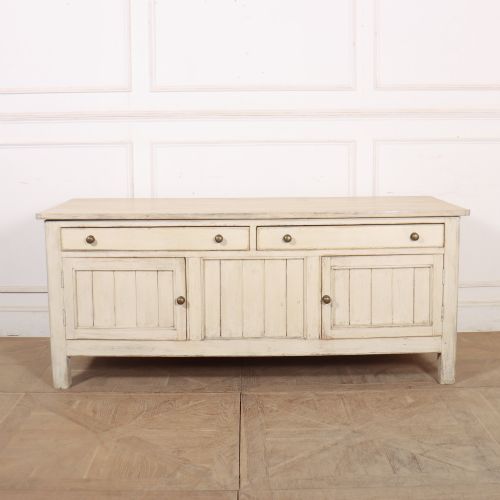
A rustic wood credenza brings solid utility and honest grain to a room, offering robust storage built from oak, pine, and fruitwood.
Rustic Wood Credenza
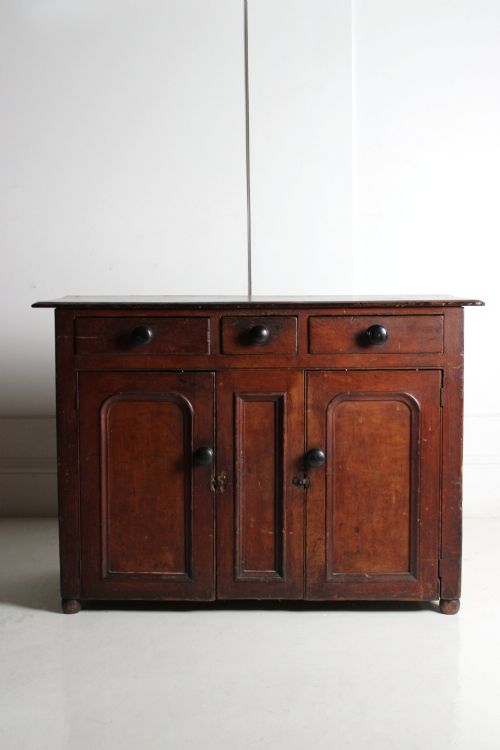
A rustic wood credenza encompasses heavy timber sideboards, dresser bases, cupboards, and buffets designed for practical storage. These items emerge from various periods including the 18th century, 19th century, Victorian era, and early decades of the 20th century.
The pieces listed here lean heavily toward country and provincial origins, featuring English, French, Italian, Hungarian, and Swedish examples. Buyers encounter solid oak, pine, cherrywood, and chestnut forms built for daily domestic use.
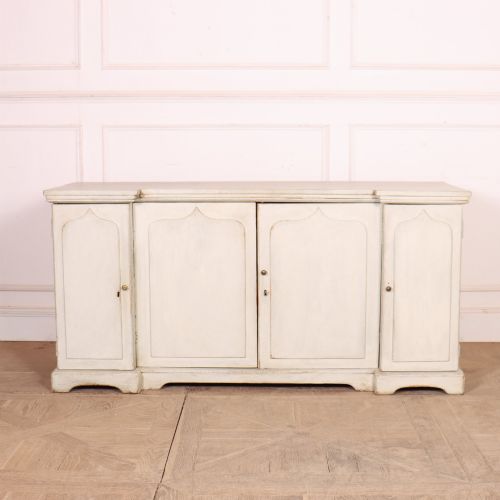
Forms range from breakfront dresser bases and potboard bases to housekeepers cupboards and carved buffets. Each type provides substantial surface area and enclosed lower storage suited for living spaces or kitchens.
Materials and construction methods
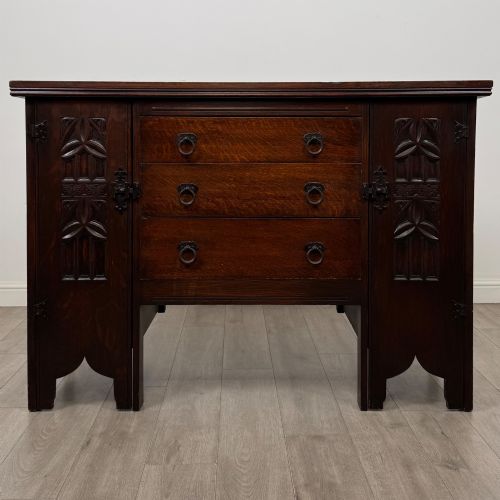
Carpenters utilised native hardwoods and softwoods such as oak, pine, fruitwood, ash, and chestnut, sometimes pairing them with brass or iron hardware. Surfaces frequently display visible grain, pegged joints, and panelled construction suited to robust furniture.
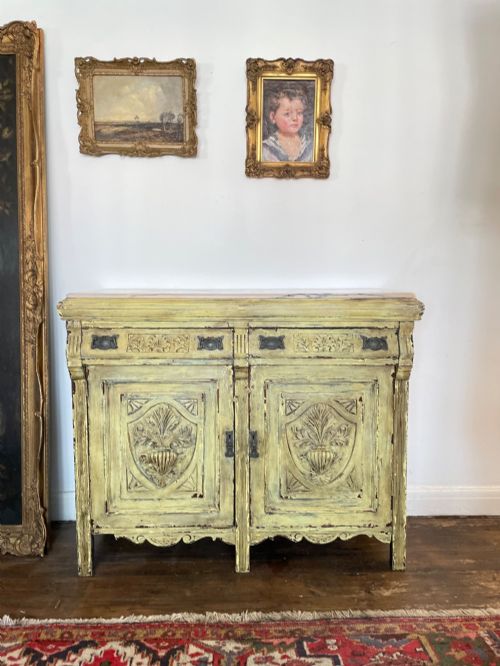
Many items show original painted finishes, ragwork paint, or stripped waxed surfaces, while select examples incorporate marble tops or detailed carving. Construction prioritises structural durability, relying on solid timber planks and traditional joinery rather than veneered panels.
Rustic Wood Credenza Retail Price Guide 2026
Typical asking prices for rustic wood credenza among the pieces listed under this phrase on Sellingantiques today, from the lower quarter to the upper quarter. They describe what is for sale here now, not the wider market.
The listings feature oak, pine, fruitwood, cherrywood, and chestnut across English, French, Italian, and Swedish provincial styles.
Evaluating quality and character
Quality rests in the integrity of the timber, the weight of the boards, and the depth of natural patination accumulated over centuries. Untouched surfaces and original hardware elevate a piece above standard utility furniture.
Proportion and regional carpentry distinguish exceptional examples, such as early Georgian Welsh bases or French provincial buffets, from later revival pieces. The crispness of hand-carved details and the stability of the primary timber frame dictate the tier of the piece.
The Rustic Wood Credenza Glossary
- Dresser base
- A lower storage unit featuring drawers and cupboards, historically used in kitchens and dining rooms for food preparation and serving. It stands independently without upper shelving.
- Potboard
- An open slatted lower shelf integrated into a dresser base, traditionally designed to hold heavy pots and earthenware vessels. This feature frequently appears on 18th-century English country pieces.
- Breakfront
- A cabinetry design where the central section projects forward from the flanking sections. This configuration adds architectural depth and visual weight to larger sideboards.
- Buffet
- A sideboard or low cupboard used for food service and storage. French and Italian examples often showcase prominent carved panels and marble tops.
- Housekeepers cupboard
- A tall, large-scale storage cabinet designed for linen and provisions. These substantial pieces utilise deep pine, oak, or cherry construction.
Rustic Wood Credenza: Frequently Asked Questions
What is a rustic wood credenza?
It is a heavy timber storage piece, such as a sideboard, dresser base, or cupboard, constructed from solid woods like oak and pine.
These items derive from country and provincial traditions across Britain and continental Europe.
How do I style a wooden sideboard?
Position it against a principal wall in a dining room, hallway, or living space to anchor the room with its substantial timber grain.
Utilise the wide top surface for lamps, ceramics, or books while keeping everyday items stored securely behind the doors.
How do I tell an 18th-century piece apart?
Look for hand- cut joinery, pegged timber construction, and deep patination on native woods like oak and chestnut.
Earlier pieces often feature simpler lines, potboards, and heavy boards shaped by traditional hand tools.
Are painted finishes original?
Many pieces feature original painted surfaces, ragwork decoration, or layers of old wax and paint applied over generations of domestic use.
Buyers often choose to keep these historic finishes intact or strip them back to expose the raw timber underneath.