



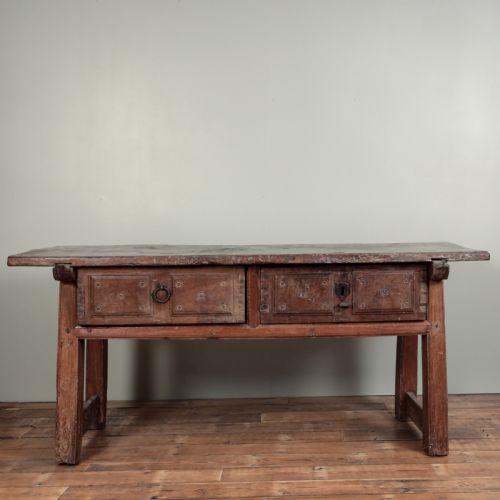


Rustic Walnut Furniture
Rustic walnut furniture brings together substantial provincial timbers and regional European craftsmanship to anchor domestic spaces with enduring functional presence.
Rustic Walnut Furniture
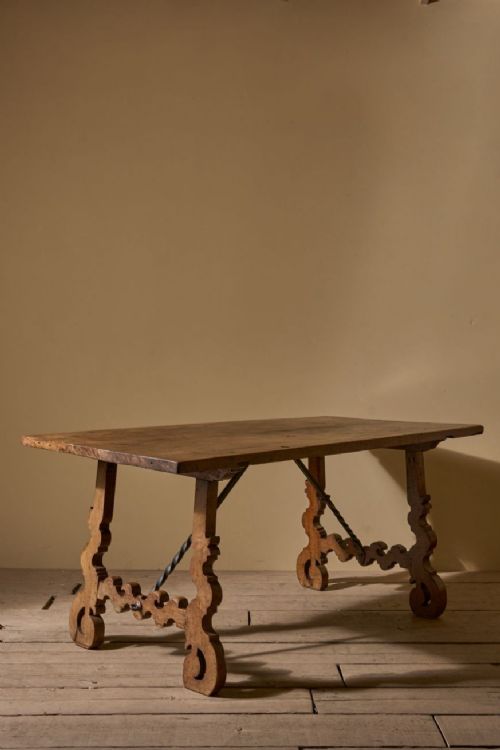
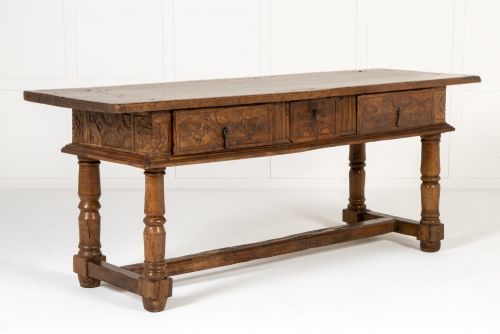
Rustic walnut furniture encompasses a range of domestic forms spanning dining tables, benches, cabinets, and small storage boxes originating from European provincial workshops. These items reflect the domestic needs of rural and regional households, prioritising utility alongside robust construction.
The pieces available here lean heavily toward 17th, 18th, and 19th-century examples from Spain, France, and Italy. Spanish tables and French provincial side storage pieces form the core of the selection.
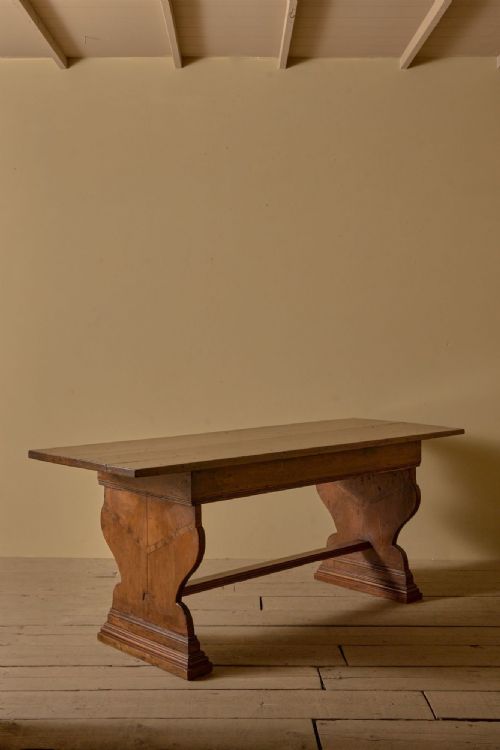
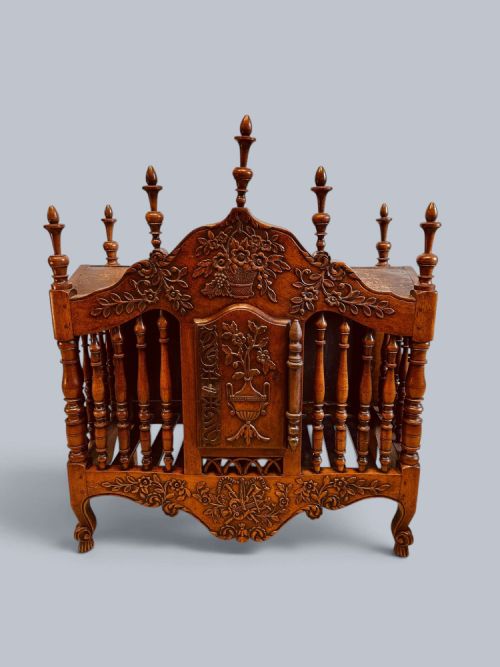
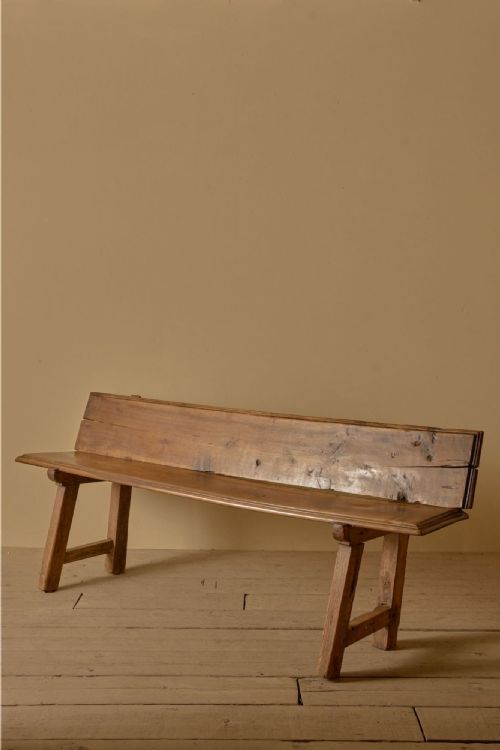
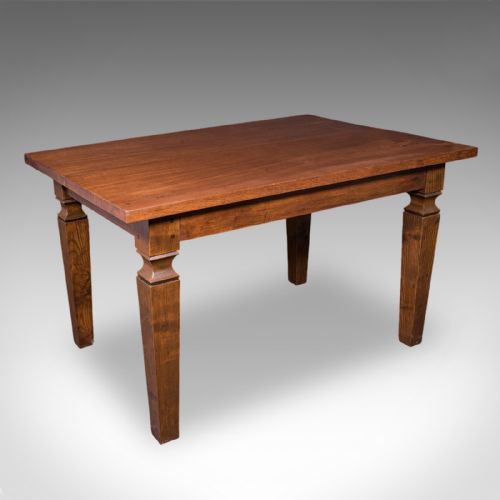
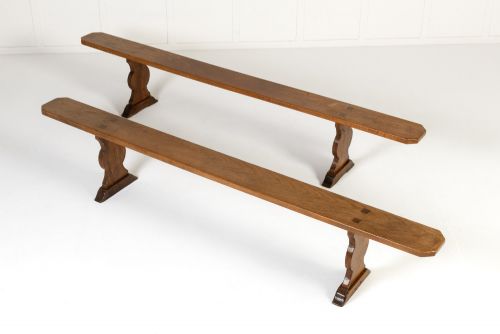
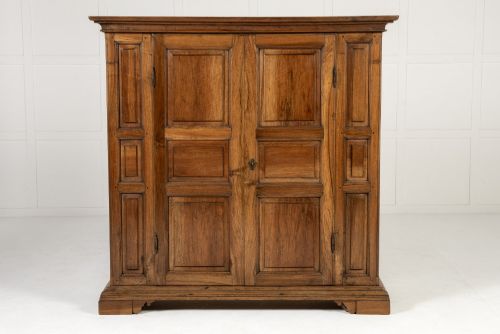
Buyers will encounter dining tables, hall benches, and wall-mounted panetiere bread stores alongside commodes and sideboards. These forms demonstrate how walnut served as a primary medium for regional cabinetmakers.
Assessing Quality
Quality rests upon the integrity of the timber selection and the degree of original construction remaining intact. Pieces retaining their original hardware and unblemished structural timbers command greater respect.
The finesse of hand-carved details and the harmony of regional proportions distinguish finer provincial pieces from simpler utility items. Surface patination accumulated through decades of use also dictates the visual appeal of the piece.
Rustic Walnut Furniture Retail Price Guide 2026
Typical asking prices for rustic walnut furniture among the pieces listed under this phrase on Sellingantiques today, from the lower quarter to the upper quarter. They describe what is for sale here now, not the wider market.
Object types include dining tables, hall benches, armoires, and panetieres originating from French, Spanish, and Italian provincial traditions.
The Rustic Walnut Furniture Glossary
- Panetiere
- A traditional French wall-turned cabinet designed for storing and airing bread. These pieces often feature spindle turned galleries.
- Fruitwood
- Secondary timber frequently used alongside walnut in provincial cabinetmaking for internal framing or secondary panels.
- Baroque
- An ornate design style originating in the 17th century, reflected in the bolder profiles and carved elements of Spanish and Italian pieces.
- Commode
- A low standing chest of drawers developed in France during the 18th century for domestic storage.
- Escabelle
- A traditional type of wooden chair or stool associated with alpine and regional European seating.
Rustic Walnut Furniture: Frequently Asked Questions
What is a panetiere used for?
A panetiere served as a specialised wall-mounted cabinet in French provincial homes for storing and protecting bread from pests.
The open spindle construction allowed air circulation to keep loaves fresh in domestic kitchens.
How do I care for rustic walnut furniture?
Maintain walnut surfaces by applying traditional beeswax periodically and avoiding placement near direct heat sources.
Keep humidity levels stable in the room to prevent the solid timbers from splitting or warping over time.
Are these pieces made of solid walnut?
Provincial workshops typically constructed these items using solid walnut planks for primary visible surfaces and doors.
Secondary woods like fruitwood or oak occasionally appear in internal framing, backs, and drawer linings.
Where does regional walnut furniture originate?
The pieces originate primarily from rural workshops across Spain, France, and Italy during the 17th to 19th centuries.
Local timber availability dictated the choice of walnut for substantial domestic tables, cabinets, and seating.