



Rustic Wall Rack
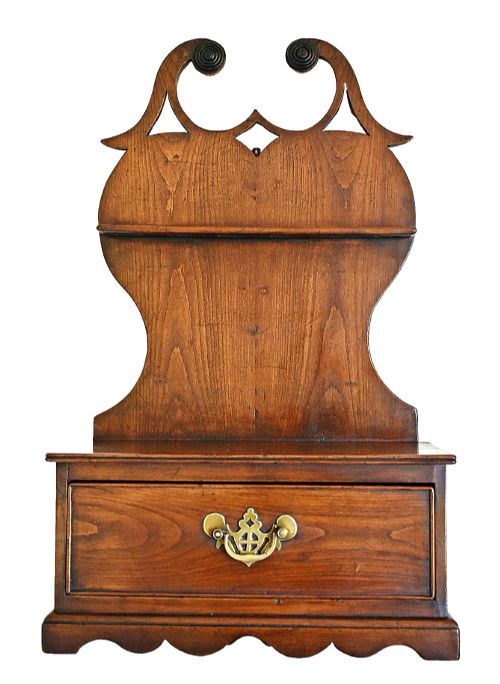
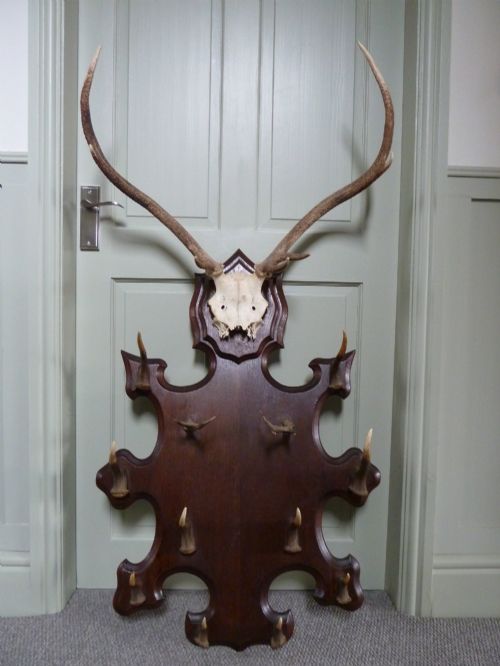
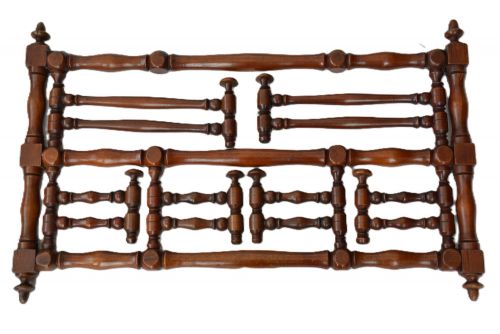
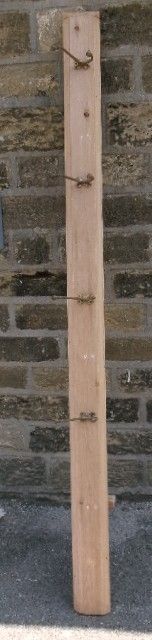
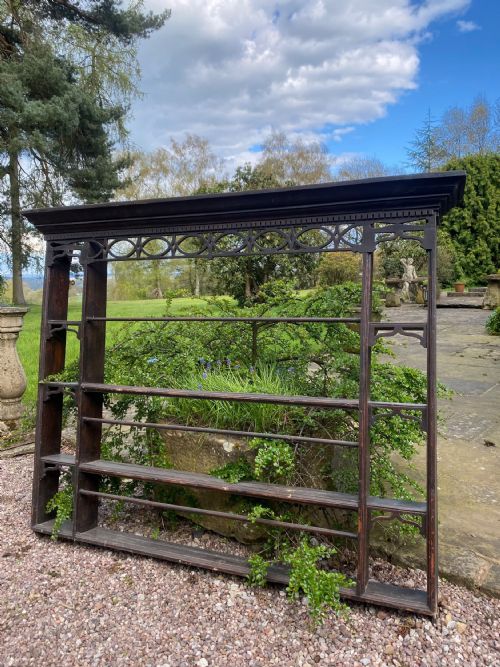
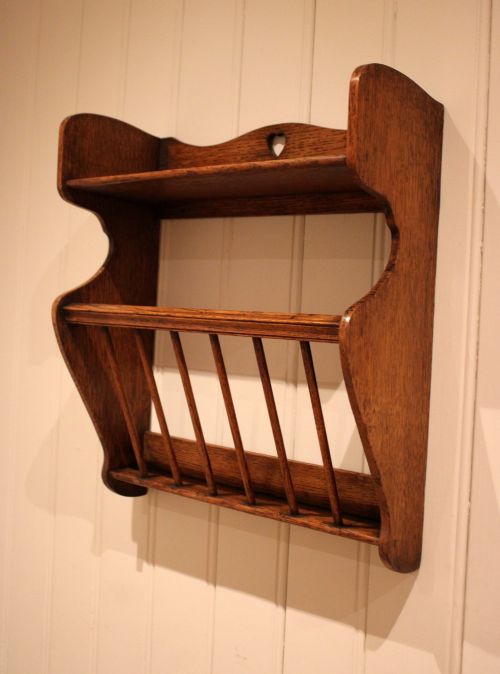
A rustic wall rack organises everyday spaces with practical charm, spanning eras from eighteenth-century oak plate displays to carved antler coat hooks.
Rustic Wall Rack
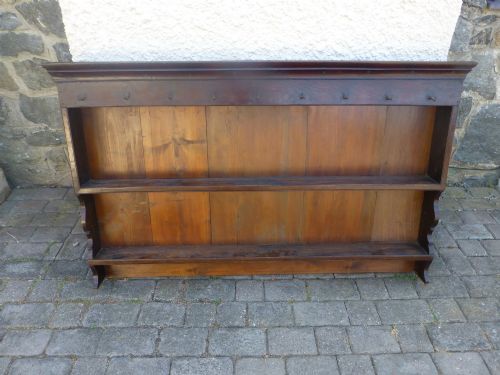
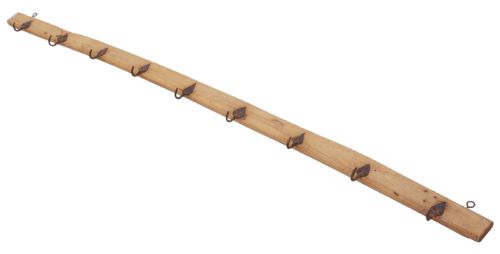
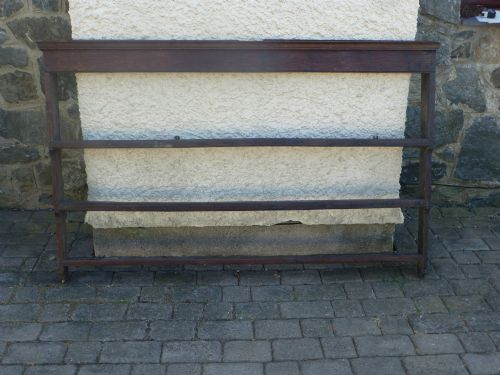
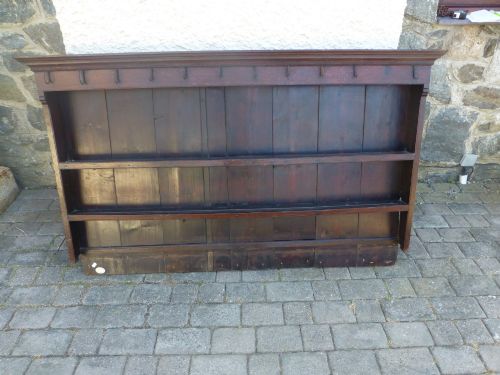
A rustic wall rack serves as functional storage mounted directly to interior vertical surfaces, incorporating practical elements like shelves, pegs, and hooks. When exploring this selection, buyers frequently encounter traditional plate racks, hanging bookshelves, and coat hooks designed for domestic utility.
The objects present originate across multiple periods, stretching from eighteenth-century Georgian and eighteenth-century examples through Victorian and Edwardian iterations up to the 1930s. Oak and pine predominate as structural timbers, often shaped into kitchen shelving, spoon racks, and hallway storage boards.
Regional variations introduce distinct stylistic traits, including English country interpretations, French country forms, and intricately carved Black Forest animal horn designs. Buyers select these pieces to introduce straightforward utility and period character into modern interiors.
Materials and construction methods
Carpenters constructed the primary frames using solid domestic timbers like oak and pine, frequently utilising pegged joints and simple board construction for durability. Iron, brass, and cast iron formed the structural hooks, hinges, and brackets attached to the wooden backboards.
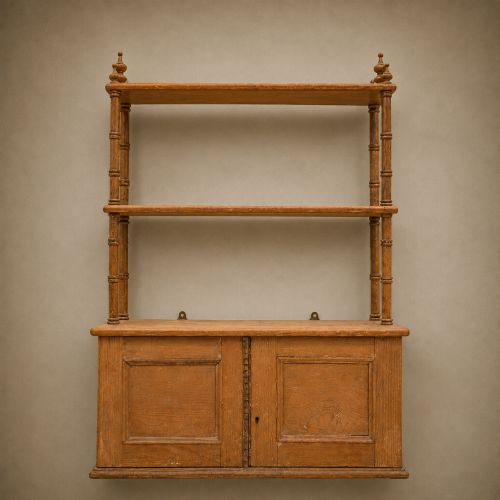
Surface treatments range from plain waxed wood to hand-applied painted finishes, sometimes utilising heritage paint colours or simulated bamboo carving. Specialised regional forms incorporate natural materials such as stags horn, deer antler, and animal taxidermy elements mounted onto wooden shields.
Rustic Wall Rack Retail Price Guide 2026
Typical asking prices for rustic wall rack among the pieces listed under this phrase on Sellingantiques today, from the lower quarter to the upper quarter. They describe what is for sale here now, not the wider market.
Assessing quality and authenticity
Quality rests upon the integrity of the primary timber and the originality of the structural components, such as integrated peg rails and shelving brackets. Pieces retaining their original surface finish, whether aged oak patina or historic painted decoration, command greater interest than heavily restored alternatives.
The sophistication of the hand-carved detailing differentiates standard utilitarian pieces from exceptional examples, particularly within Black Forest horn work and sculpted animal mounts. Construction depth and proportion also dictate worth, with robust eighteenth-century dressers and finely proportioned spoon racks showing superior cabinet-making restraint.
The Rustic Wall Rack Glossary
- Delft rack
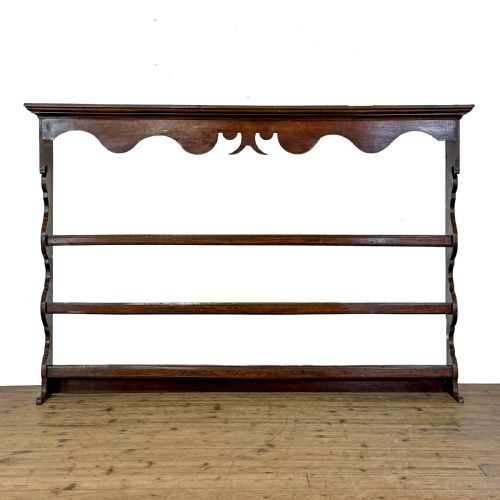
- A wall-mounted wooden shelving unit specifically constructed with plate grooves and retaining rails to display ceramic plates and platters. These typically date from the eighteenth and nineteenth centuries.
- Spoon rack
- A compact wall hanging designed to store and display antique spoons in vertical slots or notches. They frequently accompany larger plate storage furniture.
- Black Forest
- A nineteenth-century carving style originating in Central Europe, characterised by highly detailed naturalistic animal forms and foliage. Pieces often incorporate carved chamois heads, deer antlers, and linden wood.
- Pigeon holes
- Small, open wooden compartments grouped within a larger frame for sorting papers, letters, or small household items. They reflect utilitarian storage from the late nineteenth and early twentieth centuries.
Rustic Wall Rack: Frequently Asked Questions
How were rustic wall racks originally used?
Households utilised these fixtures for daily domestic organisation, mounting them in kitchens to store delft plates, spoons, and cooking implements. Hallways and boot rooms accommodated coat hooks, hat racks, and key boards for outerwear and accessories.
Larger configurations served as open bookcases or specialised drying racks for produce and textiles. Every iteration addressed specific household storage needs before transitioning into decorative interior furnishings.
What woods should I look for?
Oak and pine form the vast majority of traditional wall-mounted storage pieces found in these collections. Oak provides dense, durable longevity particularly associated with eighteenth-century Georgian furniture.
Pine offers a softer, lighter alternative frequently selected for painted kitchen shelves and country cottage dressers. Both timbers develop distinct surface patinas through decades of domestic use.
How do I date an antique wall rack?
Dating relies upon examining construction techniques, joinery methods, and material wear patterns. Eighteenth-century examples feature hand-sawn timber boards and pegged tenon joints without modern metal fixings.
Later Victorian and Edwardian pieces introduce machine-cut elements, brass hardware, and alternative decorative styles like Arts and Crafts or Black Forest carving. Comparing timber shrinkage and surface oxidation helps confirm the age of the backboard and hooks.
Can these racks support heavy coats?
Solid wood backboards fixed securely to masonry or stud walls provide substantial weight capacity for heavy garments. Iron and brass hooks riveted or screwed firmly into robust oak or pine will reliably hold coats and hats.
Checking the stability of the mounting points ensures safe installation for everyday hallway use. Lighter items like plate racks require careful wall anchoring appropriate to their loaded weight.