





Rustic Timber Storage Bins
Rustic timber storage bins bring practical utility and honest historical character to a home.
Rustic Timber Storage Bins
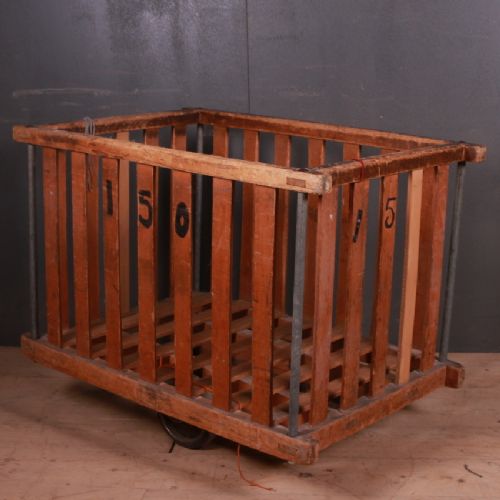
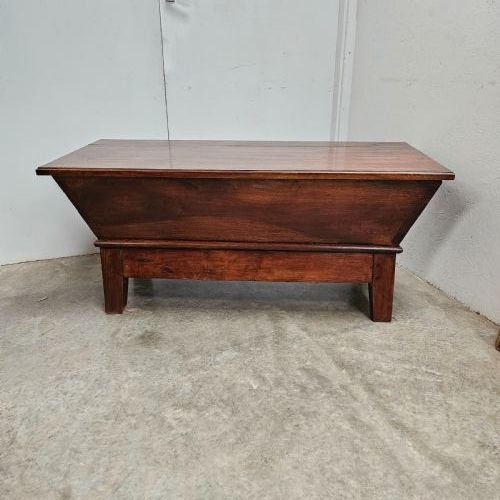
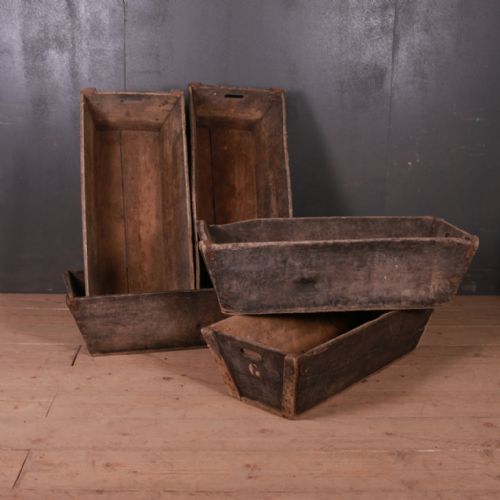
When you search for rustic timber storage bins, you encounter practical utilitarian containers built for everyday agricultural and domestic tasks. These pieces include dough bins, dough proving boxes, log baskets, log boxes, and grape bins. They serve as functional storage for fuel, flour, or provisions, carrying the marks of genuine historic use.
You are most likely to meet nineteenth-century examples fashioned from pine, elm, or walnut on this page. Forms range from simple console boxes to lidded coffers, trolleys, and large storage bins. Their origins span Scandinavian country workshops and French provincial settings, reflecting regional traditions of sturdy timber construction.
Materials and construction
These pieces rely on solid timber construction using pine, elm, and walnut boards joined to withstand heavy daily demands. Makers utilise durable materials like iron and steel for hinges, fittings, and handles to reinforce the structure. Surface treatments range from natural unpainted wood finishes to original historic paint.
Construction techniques focus on pure utility rather than ornate decoration, employing sturdy dovetail joints, pegged panels, and heavy-duty framework. Iron wheels or metal brackets appear on trolley variants to ease the movement of heavy loads of timber or produce. Every joint and fastener exists to ensure longevity in a working environment.
Rustic Timber Storage Bins Retail Price Guide 2026
Typical asking prices for rustic timber storage bins among the pieces listed under this phrase on Sellingantiques today, from the lower quarter to the upper quarter. They describe what is for sale here now, not the wider market.
Regional styles include Scandinavian country, French provincial, and industrial utilitarian forms.
Assessing quality and character
Quality in these utilitarian items rests on the integrity of the original timber and the survival of honest surface patination. Pieces that retain their original painted surfaces or deep, uncompromised wood grain tell a more authentic story than those stripped down to bare timber. The weight and thickness of the pine, elm, or walnut boards dictate the physical substance of the container.
The degree of functional wear reveals much about a piece's history, where purposeful marks of use enhance rather than diminish the object. Structural soundness in the main box and original hardware such as iron hinges or metal brackets distinguish a well-preserved survivor from a heavily altered example. Proportion and scale also matter, as larger console boxes and deep log bins require balanced framing to remain stable.
The Rustic Timber Storage Bins Glossary
- Dough bin
- A deep wooden container traditionally used for kneading and proving bread dough. These often feature sloping sides and a tight-fitting lid.
- Coffer
- A sturdy chest or box traditionally used for storing valuables or dry goods. They feature solid timber construction and heavy lids.
- Log box
- A rectangular wooden container designed specifically for holding firewood near a hearth. They often sit low to the ground for easy loading.
- Patina
- The surface sheen and colour developed on timber and metal over decades of handling and exposure. It indicates age and authentic use.
- Pine
- A soft softwood commonly utilised in Scandinavian and country furniture. It takes paint well and provides a sturdy yet workable structure.
Rustic Timber Storage Bins: Frequently Asked Questions
What were rustic timber storage bins used for originally?
These bins served practical domestic and agricultural purposes in farmhouses and rural homes. They held materials such as bread dough during proving, harvested grapes, or firewood for household hearths.
Their robust construction allowed them to withstand the heavy daily demands of rural life. Today, their generous proportions make them suitable for modern storage needs.
How do I date an antique timber storage bin?
Dating relies on examining the timber species, construction methods, and hardware used in the piece. Nineteenth-century examples often display hand-cut joinery, forged iron hinges, and distinct tool marks from period workshops.
Surface finishes also provide clues, as original paint or aged patina develops over long periods. Comparing the form to documented regional styles helps narrow down the origin and decade.
Are these storage bins suitable for daily modern use?
Their original design for heavy utility makes them exceptionally durable for contemporary living spaces. You can utilise them to store logs by a fireplace, blankets in a living room, or toys in a hallway.
Their solid construction handles everyday interaction well, provided you protect the historic wood from excessive moisture. They bring both functional organisation and tactile history to a room.
How do I care for antique pine and walnut bins?
Maintain the wood by keeping the bins away from direct heat sources and sudden temperature fluctuations. Dust them regularly with a dry cloth and occasionally apply a suitable wax to nourish older timber surfaces.
Avoid harsh chemical cleaners that might strip original paint or historic patina. Gentle maintenance preserves the structural integrity and the aged character of the material.