






Rustic Timber Frame
Rustic timber frame pieces bring authentic history and tactile warmth to an interior through honest carpentry and weathered natural materials.
Rustic Timber Frame
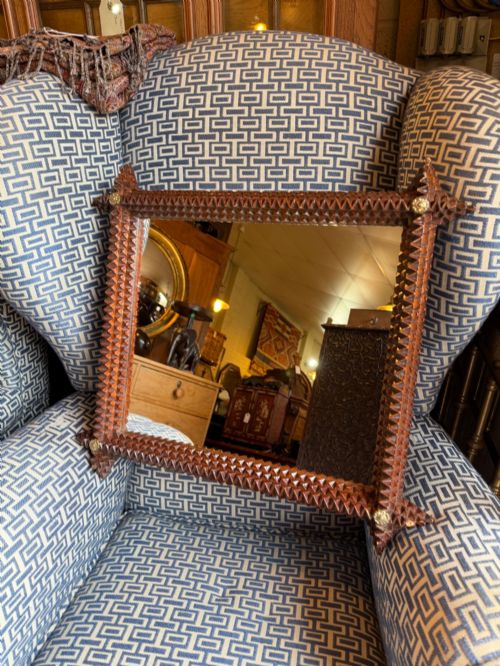
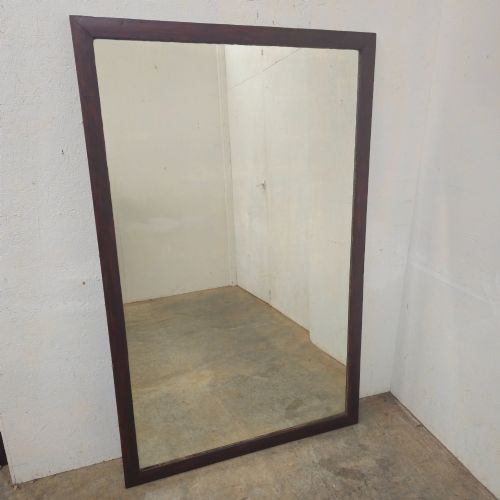
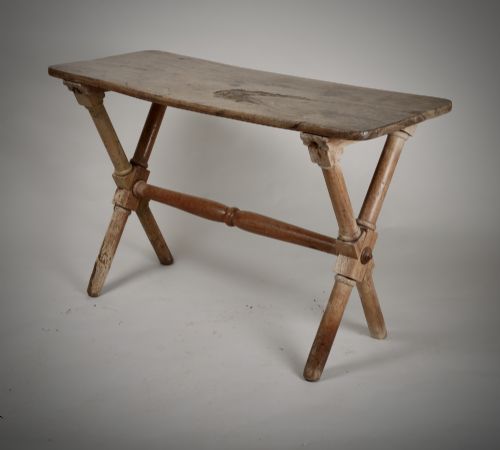
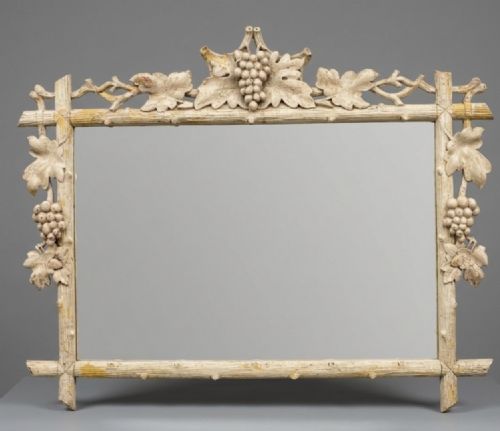
Rustic timber frame items encompass heavy wooden mirrors, sturdy tavern tables, functional storage baskets, and solid seating originating primarily from the nineteenth century and the early twentieth century. These domestic and utilitarian objects display regional vernacular characteristics influenced by Victorian, French Country, and Black Forest traditions.
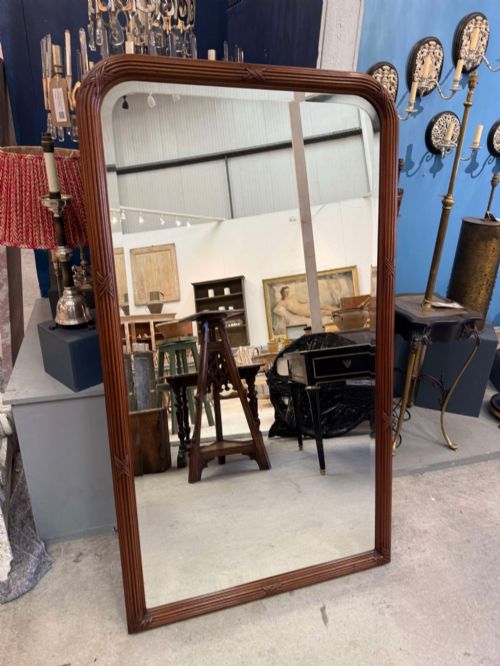
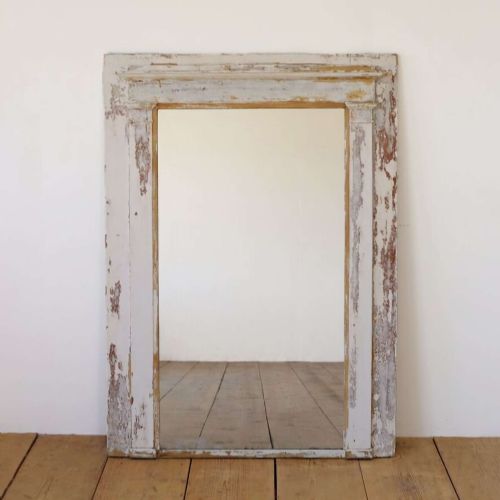
The selection centres heavily on mirrors housed in carved wooden, pine, oak, and maple frames, alongside scrubbed oak surfaces and trestle tables. Buyers also encounter rocking chairs, nursing chairs, and woven baskets that reflect practical historical use across various European and British workshops.
Materials and construction
Makers utilised solid timbers such as pine, oak, maple, walnut, and elm, often leaving the natural grain exposed or applying simple paint finishes. Joinery relied on traditional methods suited to heavy everyday usage, incorporating visible pegs, dovetails, and structural bracing.
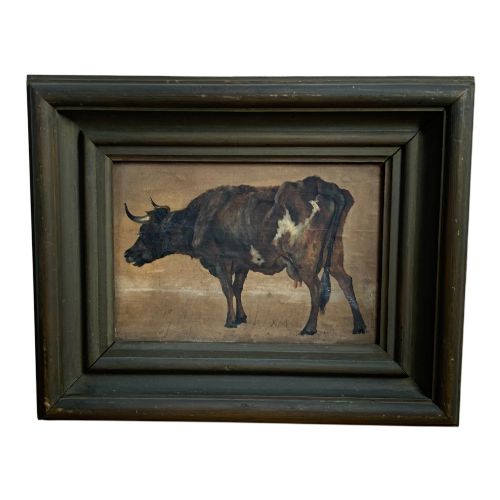
Carved elements and turned details, such as bobbin framing, required hand tools and patient labour by regional artisans. Iron hardware, canvas supports for oil paintings, and glass plates complete the material makeup of these enduring functional objects.
Rustic Timber Frame Retail Price Guide 2026
Typical asking prices for rustic timber frame among the pieces listed under this phrase on Sellingantiques today, from the lower quarter to the upper quarter. They describe what is for sale here now, not the wider market.
Listings feature items from the nineteenth century up to the 1930s, spanning materials including pine, oak, elm, maple, walnut, iron, and canvas.
Judging quality
The integrity of the original timber structure and the honesty of the surface patina define the upper tier of these pieces. Items retain their structural purpose without excessive modern intervention, showing natural wear that speaks to their age and utility.
The precision and depth of hand carving distinguish superior decorative frames and furniture. Finer examples balance robust vernacular construction with refined proportions and carefully selected regional woods.
W.E. Evans·Frank Moss Bennett·Joseph Paul
The Rustic Timber Frame Glossary
- Bobbin framing
- A style of furniture moulding turned on a lathe to resemble a string of beads or bobbins. This decorative technique appears frequently on nineteenth-century chairs and mirror surrounds.
- Scrubbed oak
- Timber surfaces that have been repeatedly washed and scrubbed clean over decades, resulting in a pale, matte finish. This treatment highlights the natural grain and texture of the wood.
- Trestle table
- A table consisting of two or more support frames connected by a longitudinal beam, designed for stability. Historical examples utilise heavy wooden framing for domestic or tavern use.
- Black Forest
- A nineteenth-century style of woodwork originating from the mountain region of Germany and Switzerland. It is characterised by deeply carved naturalistic motifs, particularly foliage and animals.
- Vernacular furniture
- Objects built by local craftsmen using regional materials and traditional techniques to serve everyday domestic needs. These pieces prioritise practical utility over formal academic design.
Rustic Timber Frame: Frequently Asked Questions
How do I care for rustic wooden frames?
Keep wooden frames away from direct heat sources and sudden humidity changes to prevent timber splitting. Dust gently with a dry cloth and avoid harsh chemical polishes that can damage the aged surface.
Apply a microcrystalline wax occasionally if the wood appears dry, buffing it lightly with a soft brush. This protects the original patina without altering the historical appearance.
Are these mirrors suitable for bathrooms?
Original antique mirror glass and timber frames are sensitive to moisture and steam. Placing them in damp environments can cause silvering loss on the glass and warping in the wooden frame.
Surface condensation should be wiped away immediately if hung in functional spaces. Dry interior walls offer the best environment for preserving nineteenth-century frames.
What defines Black Forest woodwork?
Black Forest pieces are distinguished by hyper-realistic carved foliage, woodland animals, and rustic motifs. The carving is executed with notable depth and movement on solid walnut or lime wood.
These items were produced primarily as decorative mirrors, frames, and small furnishings for European alpine resorts. The style emphasises tactile realism and theatrical naturalism.