




Rustic Timber Footstool
A rustic timber footstool brings honest grain and vernacular charm into a room, offering a solid perch shaped by decades of everyday use.
Rustic Timber Footstool
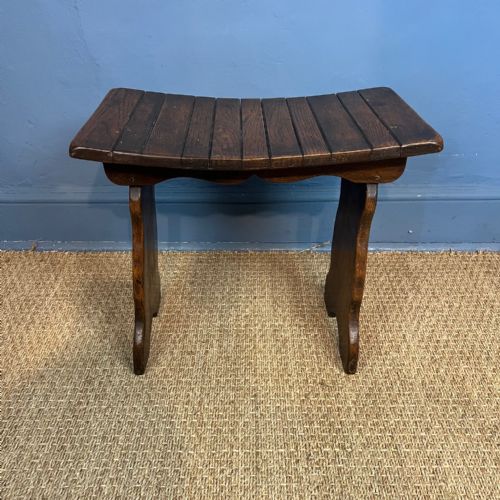
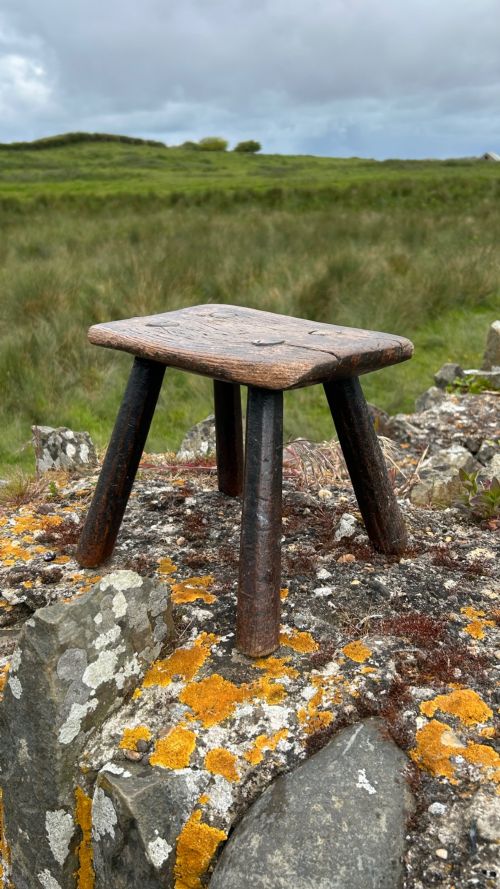
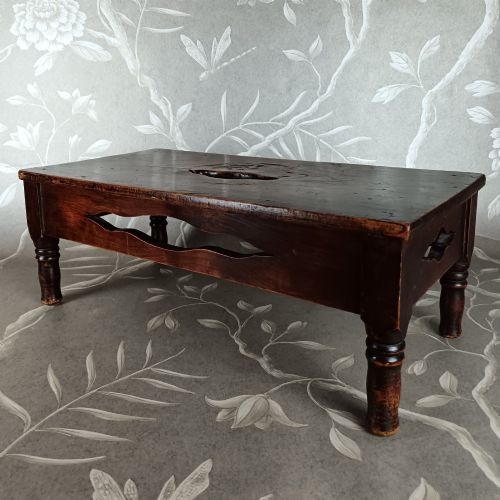
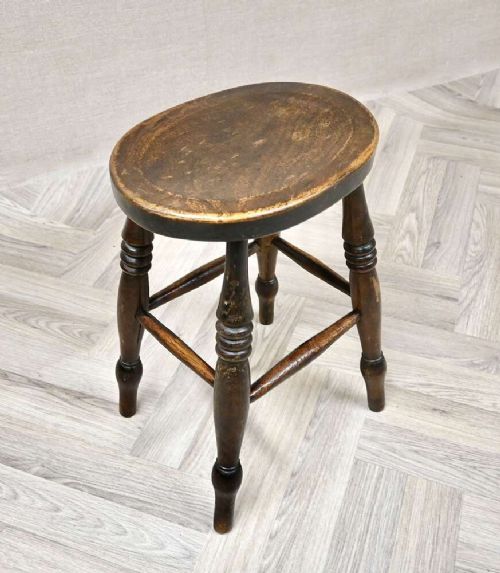
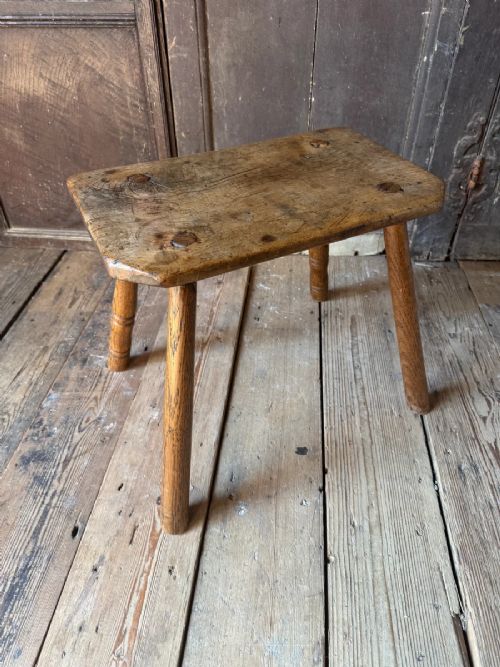
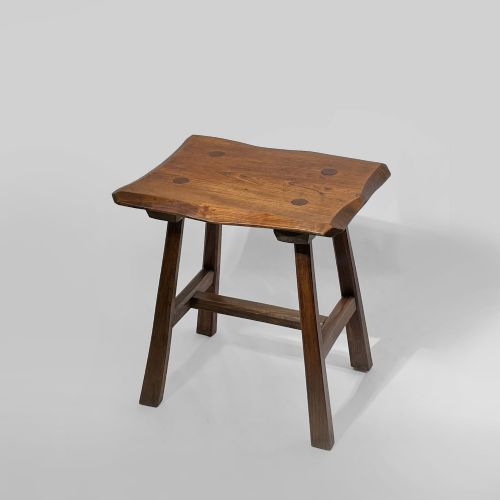
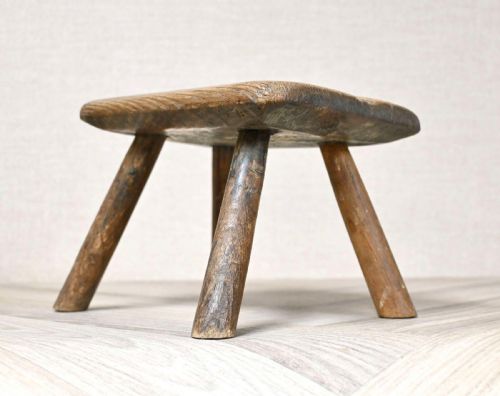
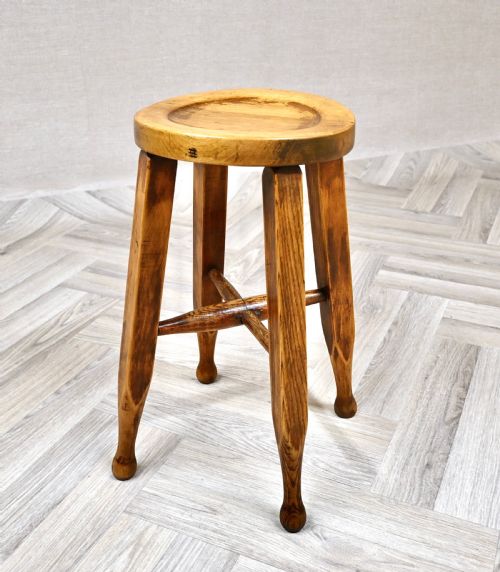
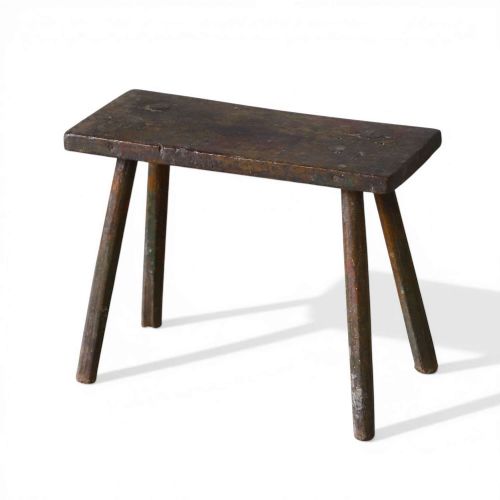
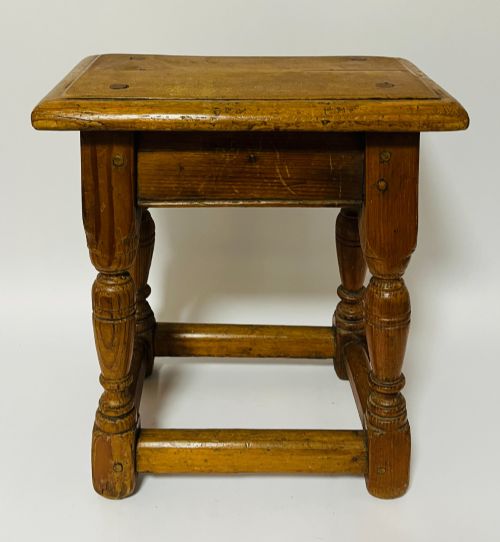
A rustic timber footstool represents a broad tradition of utilitarian seating shaped by regional makers across the eighteenth, nineteenth, and early twentieth centuries. These pieces encompass various forms including Windsor designs, milking stools, joint stools, and hearth stools intended for domestic or rural tasks.
Materials and construction
These stools rely on sturdy native timbers such as oak, elm, ash, sycamore, and pine, selected for their availability and structural resilience. Solid wood seats are often shaped with adzes or chisels, while legs are turned on lathes or shaped by hand to fit tightly into bored undercarriages.
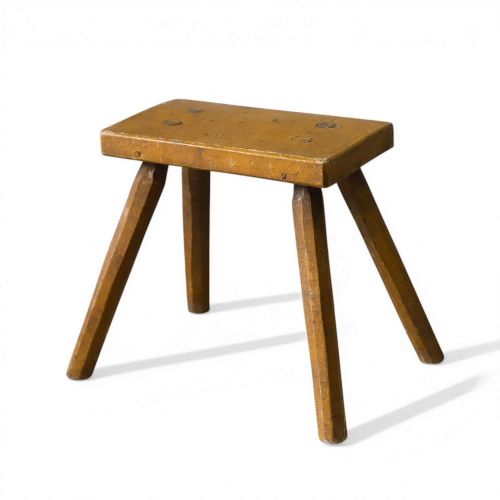
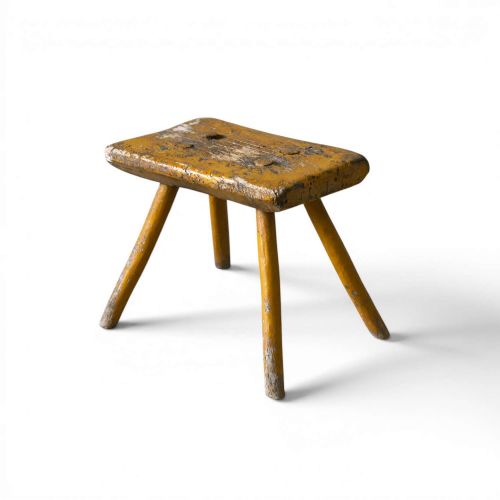
Surface treatments vary from bare polished wood to remnants of original ochre, yellow, or green paint. Construction methods favour traditional joinery, including pegging and wedged tenons, which keep the legs secure through years of heavy domestic service.
Rustic Timber Footstool Retail Price Guide 2026
Typical asking prices for rustic timber footstool among the pieces listed under this phrase on Sellingantiques today, from the lower quarter to the upper quarter. They describe what is for sale here now, not the wider market.
Listings span the eighteenth, nineteenth, and early twentieth centuries, featuring materials like elm, ash, sycamore, and pine alongside painted finishes.
Assessing quality and character
Quality in a rustic timber footstool lies in the integrity of the timber, the balance of the proportions, and the honesty of the wear. Superior pieces display thoughtful joinery, such as well-balanced turned legs or sculptural seat shaping that reveals the hand of an individual maker rather than mass production.
The presence of untouched original surfaces, such as early paint finishes or deep patination built up through age, elevates an example. Conversely, heavy later alterations or unsympathetic repairs diminish the historical character of a vernacular piece.
The Rustic Timber Footstool Glossary
- Vernacular furniture
- Domestic objects made by local craftsmen for everyday use rather than following high-style academic designs. This tradition prioritises local materials and functional utility over fashionable ornamentation.
- Joint stool
- A sturdy wooden seat constructed with mortise and tenon joints held together by wooden pegs. These pieces typically feature heavy turned legs and horizontal stretchers for added stability.
- Milking stool
- A low, three-legged seat designed to be stable on uneven floors while the user sat milking livestock. The three-legged format ensures the stool sits firmly without rocking.
- Windsor stool
- A seat featuring legs and spindles socketed directly into a thick, solid wooden base. This construction method provides robust support using lightweight turned components.
Rustic Timber Footstool: Frequently Asked Questions
How do I use a footstool in a modern room?
A rustic timber footstool works well beside a fireside chair or low sofa to provide a functional perch for tired feet. Its modest scale allows it to fit easily into smaller spaces or serve as a low display surface.
Grouping a small stool near bookshelves or plants brings warmth and texture to an interior without overwhelming the surrounding furniture.
Are these stools suitable for daily sitting?
Most of these pieces were built for robust domestic or rural labour, meaning they remain structurally solid for sitting. Solid timber seats and braced legs provide reliable support when used correctly.
Care should be taken with diminutive or very early examples where delicate proportions or aged joints suggest gentler everyday use.
How should I clean an old wooden stool?
Dusting the timber regularly with a dry cloth keeps surface grit from accumulating in the grain. Avoid harsh modern cleaning liquids that might strip away historic patination or fragile original paint.
Applying a traditional beeswax polish helps nourish dry wood and maintains a gentle sheen without altering the surface character.
How can I tell the age of a timber stool?
Dating relies on observing tool marks, timber species, wear patterns, and construction methods characteristic of specific periods. Hand-adzed seats and early turned legs often point towards eighteenth or nineteenth-century vernacular production.
Paint remnants and joinery details provide further clues to whether a piece belongs to the early Victorian era or later rural traditions.