






Rustic Stone Garden Feature
A rustic stone garden feature brings weathered texture and honest history to an outdoor space, offering practical garden focal points shaped by centuries of weathering.
Rustic Stone Garden Feature
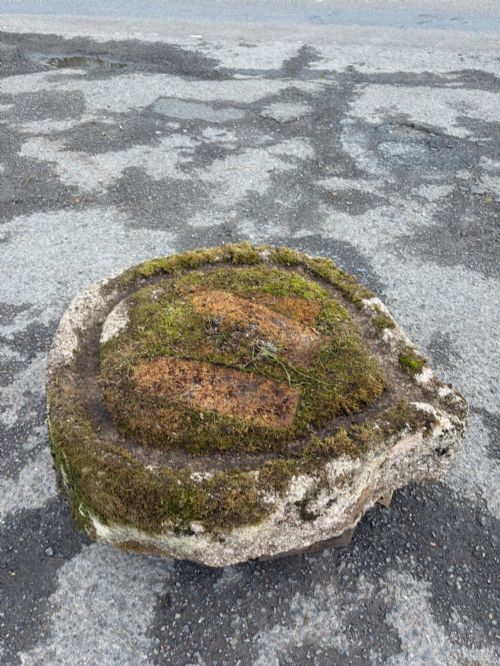
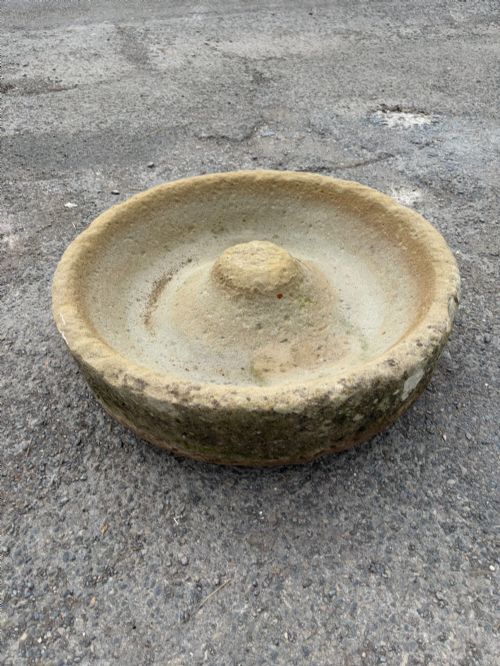
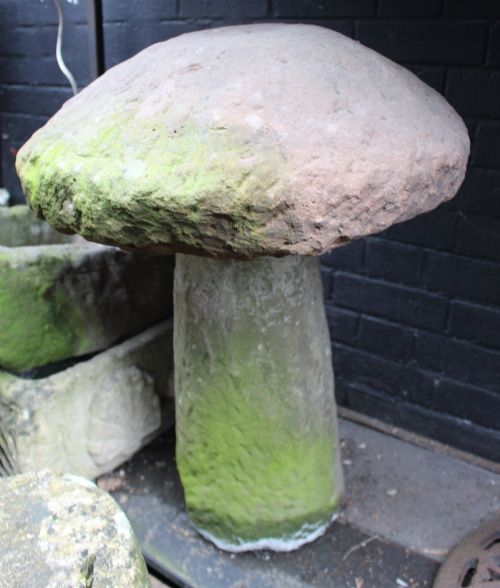
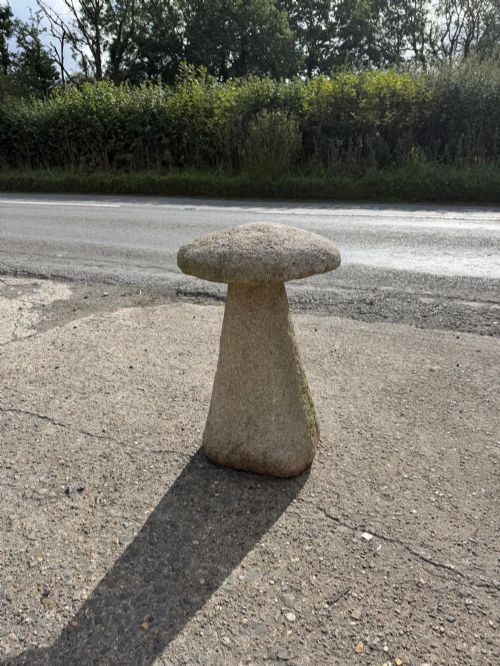
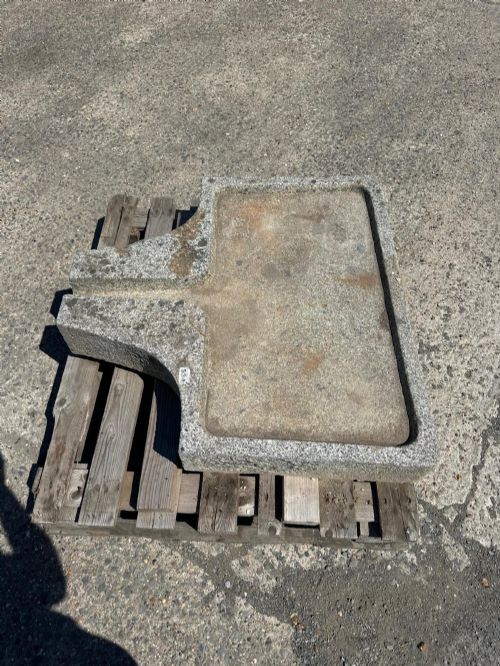
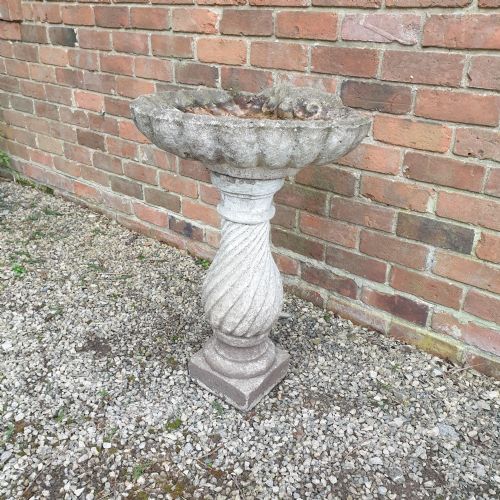
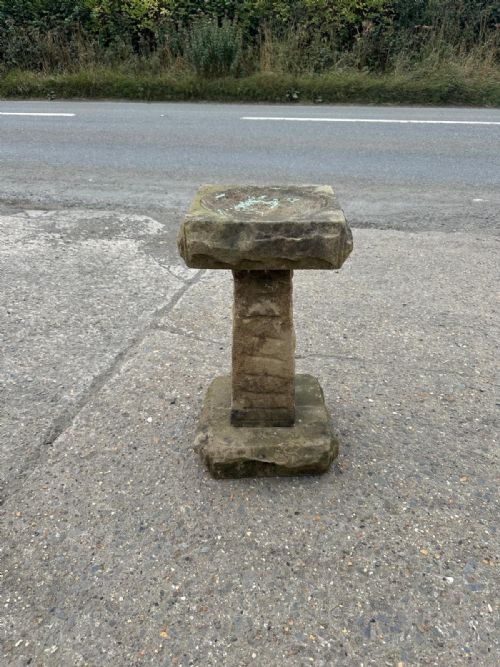
The selection on this page relies heavily on utilitarian objects repurposed for the garden, including Cornish granite staddle stones, limestone mill stone bases, and Purbeck stone bird baths. These items carry the distinct patination of age, often bearing natural moss and lichen growth.
Origins range from eighteenth-century vernacular items to nineteen-fifties garden ornaments, demonstrating how heavy agricultural infrastructure transitions naturally into landscape decoration. Each piece provides a grounding element rooted in traditional English vernacular style.
How they were made
Natural weathering over decades or centuries contributes significantly to the surface texture of these pieces, allowing moss and lichen to colonise the exposed mineral faces. The manufacturing method prioritised sheer functional durability over decorative refinement, resulting in robust forms designed to withstand heavy agricultural workloads.
Rustic Stone Garden Feature Retail Price Guide 2026
Typical asking prices for rustic stone garden feature among the pieces listed under this phrase on Sellingantiques today, from the lower quarter to the upper quarter. They describe what is for sale here now, not the wider market.
Some ancient grindstones and mill bases retain their original forged iron tethering handles, ready for a second life holding nothing heavier than ivy.
What varies in quality
Quality in a rustic stone garden feature rests upon the integrity of the geological material and the character of the natural surface patination. Examples fashioned from dense Cornish granite or Purbeck stone exhibit superior resistance to structural degradation compared to softer sandstones.
The desirability of an object often depends on the crispness of its original utilitarian form balanced against the organic softening brought by age, moss, and lichen. Pieces retaining functional elements such as forged iron handles or complete staddle bases command particular interest from collectors of architectural salvage.
The Rustic Stone Garden Feature Glossary
- Staddlestone
- A mushroom-shaped stone pillar formerly used to support granaries and ricks above damp ground and pests. They now serve widely as decorative garden pedestals.
- Architectural salvage
- Building materials and utilitarian stone objects rescued from older structures for reuse in landscaping or interior design. This category embraces everything from troughs to mounting blocks.
- Vernacular style
- Building and crafting traditions rooted in local needs, using regional materials rather than academic architectural designs. It defines the unpretentious character of these agricultural antiques.
- Purbeck stone
- A distinctive limestone quarried in the Isle of Purbeck, prized for its durability and fossil content. It appears frequently in traditional bird baths and architectural elements.
Rustic Stone Garden Feature: Frequently Asked Questions
What is a staddle stone?
A staddle stone is a traditional mushroom-shaped support structure once used to elevate granaries above the damp earth and protect stored grain from vermin. Today, they are deployed as sculptural garden ornaments and focal pedestals.
Their sturdy granite or sandstone construction allows them to sit directly on lawns or within borders without requiring additional foundations.
Are these items frost resistant?
Most of these pieces are carved from durable natural stone such as granite, limestone, and sandstone that has already endured generations of outdoor weathering. Their dense geological composition equips them well for sub-zero winter temperatures.
Ensuring proper drainage beneath stone bird baths and troughs prevents standing water from expanding during hard freezes.
How do I date an old stone feature?
Dating relies heavily on tool marks left by stonemasons, regional stone types, and the specific utilitarian form of the object. Eighteenth-century examples often display hand-chiselled surfaces distinct from later mechanical cutting methods.
Natural patination, including established lichen and moss growth, also offers a visual guide to the age of the piece.