

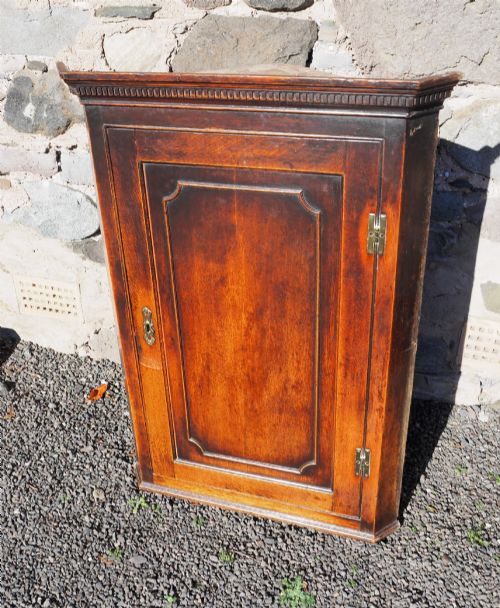
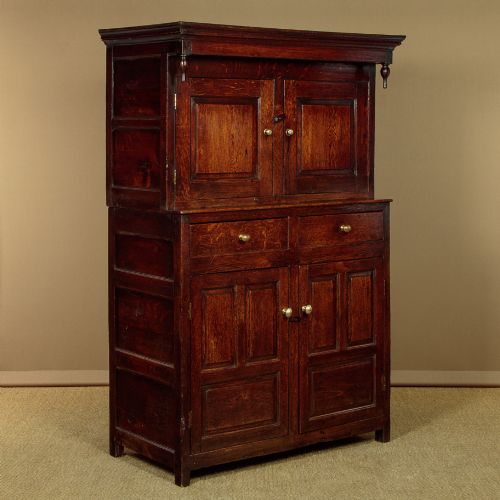
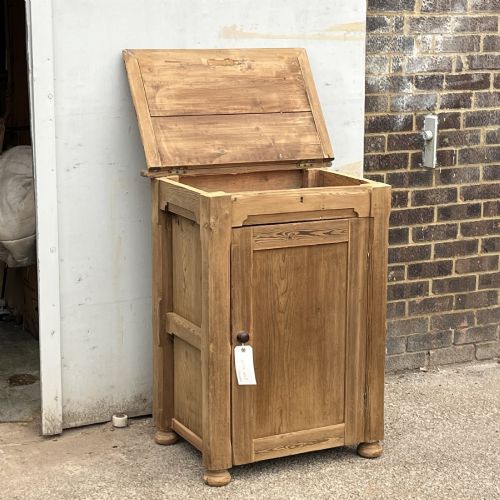
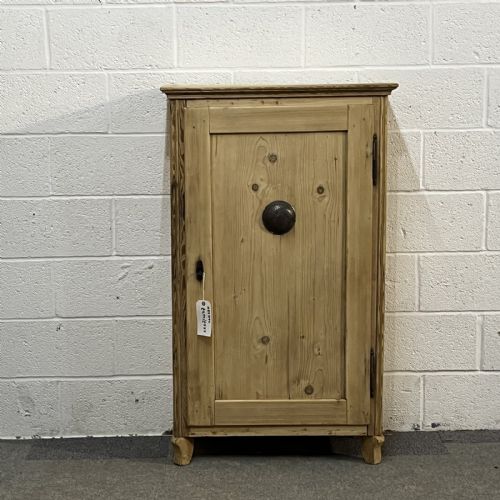


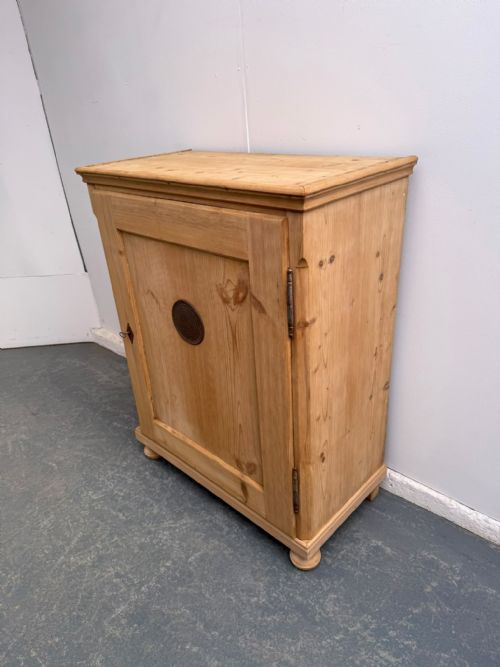
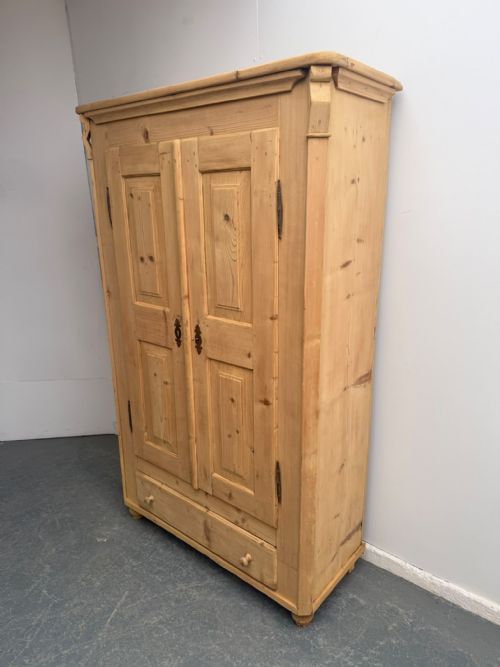
Rustic Small Cupboard
When you handle a rustic small cupboard, you touch domestic history built from solid oak and pine for simple rural rooms.
Rustic Small Cupboard
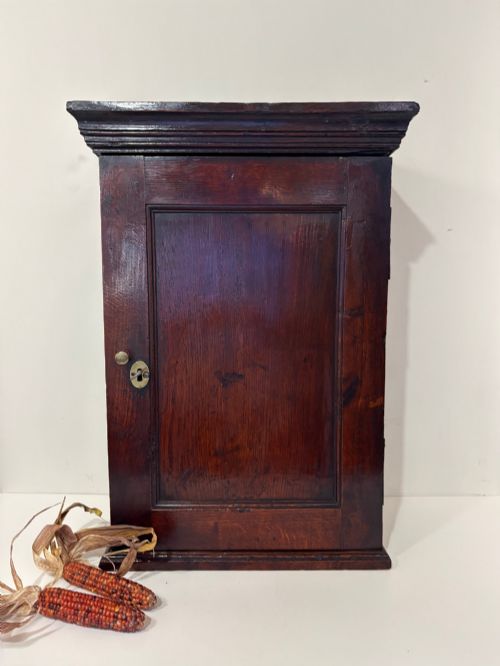
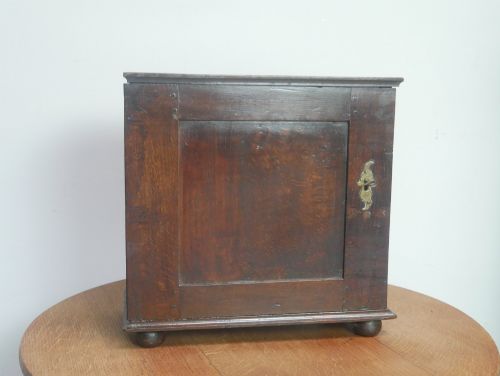
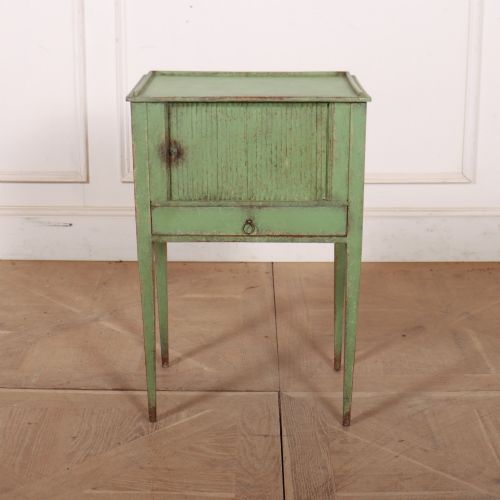
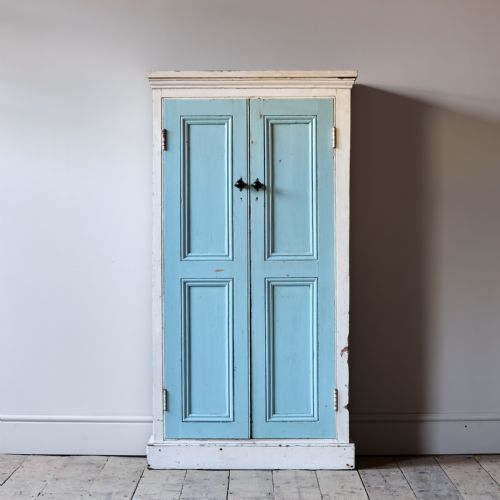
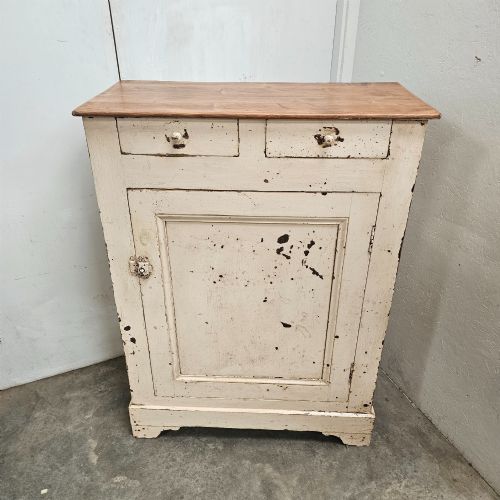
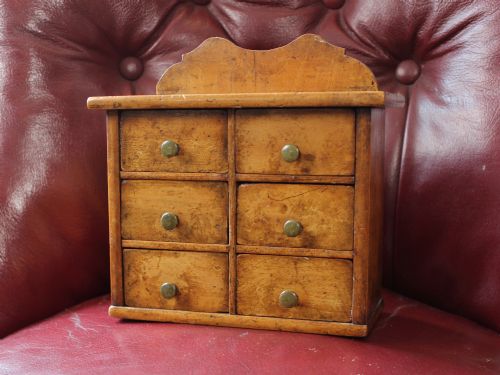
A rustic small cupboard is a compact utilitarian storage piece built in oak, pine, and fruitwood to serve traditional domestic needs. Buyers looking for a rustic small cupboard often find wall-mounted spice cabinets, bedside pot cupboards, and low corner units dating from the eighteenth and nineteenth centuries.
The regional variety spans Welsh vernacular hanging cupboards, French confituriers, and Scandinavian wall units alongside English country pine furniture. These domestic items provided essential enclosed storage for food, linens, and personal possessions in modest rural properties.
Materials and construction
Local joiners built these items using native timbers such as solid oak, deal, and pine, frequently supplemented by fruitwood for small drawers. Traditional assembly relies on pegged mortise and tenon joints, hand-planed panels, and simple dovetailing for drawer construction.
Surfaces often retain traces of early paint, original wax finishes, or later stripped treatments exposing the grain of the wood. Metalwork typically consists of hand-forged iron hinges, latches, and brass pulls or escutcheons fitted directly to the timber doors.
Rustic Small Cupboard Retail Price Guide 2026
Typical asking prices for rustic small cupboard among the pieces listed under this phrase on Sellingantiques today, from the lower quarter to the upper quarter. They describe what is for sale here now, not the wider market.
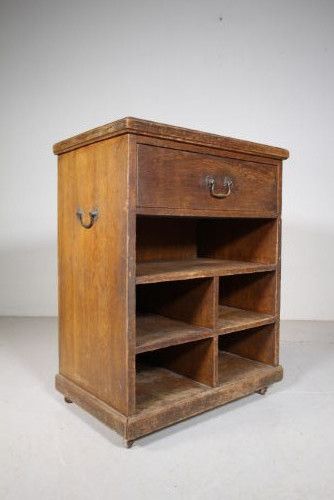
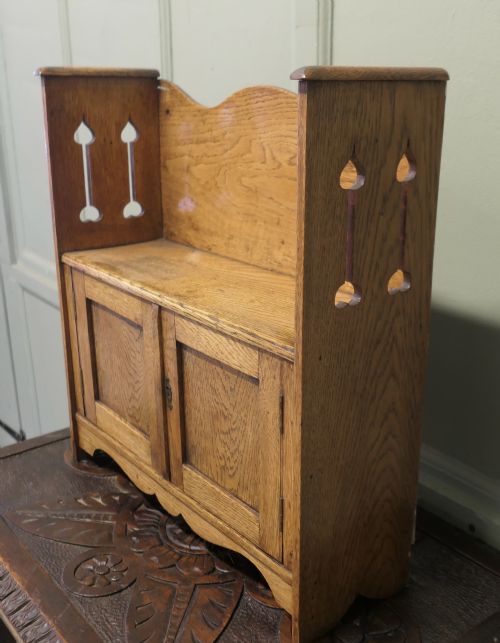
The listings span pine, oak, and fruitwood, with examples ranging from Georgian spice cabinets to Edwardian chiffoniers.
Factors that determine quality
The integrity of the timber and the survival of original structural elements define the standard of a piece. Examples retaining their initial backboards, hinges, and interior paint schemes hold greater historical value than heavily restored items.
Proportion and scale distinguish finer vernacular work from plain utility pieces. Refined mouldings, carved friezes, and thoughtful grain selection elevate provincial furniture beyond basic utilitarian storage.
Luxmore's of Ilfracombe
The Rustic Small Cupboard Glossary
- Cwpwrdd Deuddarn
- A traditional Welsh two-tier press cupboard used for storing household provisions and textiles. This regional form often incorporates panelled doors and small drawers.
- Confiturier
- A French jam cupboard traditionally utilised for preserving fruit and provisions. These compact single-door pieces usually stand at a convenient bedside or side table height.
- Panetiere
- A ventilated food safe or bread cupboard originating in France. The distinctive turned spindle or pierced frieze allowed air circulation around baked goods.
- Spice Cupboard
- A miniature wall-hanging cabinet fitted with small internal drawers for storing valuable herbs and spices. These diminutive pieces date predominantly to the eighteenth century.
Rustic Small Cupboard: Frequently Asked Questions
How were these cupboards used?
People utilised these compact cupboards to store perishable food, valuable spices, medicinal herbs, and household linens safely away from pests and dampness. Hanging variants kept provisions off flagstone floors.
Bedside versions held chamber pots and personal night items, while wall-mounted cabinets kept daily essentials within easy reach of the hearth.
How do I date a wooden cupboard?
Dating relies on observing construction methods, timber choice, and hardware styles such as hand-forged iron hinges or brass drawer pulls. Eighteenth-century pieces often display pegged oak framing and hand-sawn panels.
Later nineteenth-century examples frequently employ machine-sawn pine timbers, factory-made ironmongery, and simpler dovetailed drawer boxes.
How do I care for antique pine?
Antique pine benefits from occasional application of traditional beeswax to nourish the dry timber and protect the surface from moisture. Avoid placing wooden furniture near direct heat sources.
Keep the environment stable to prevent the wood from shrinking, warping, or opening at the historical joints.