

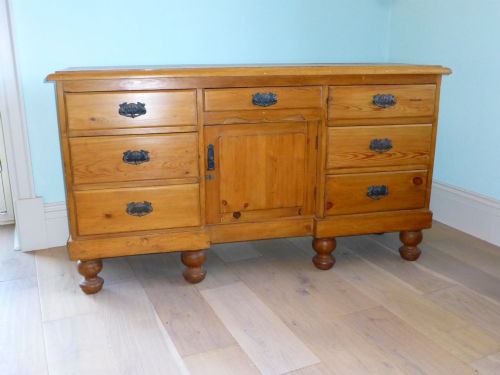
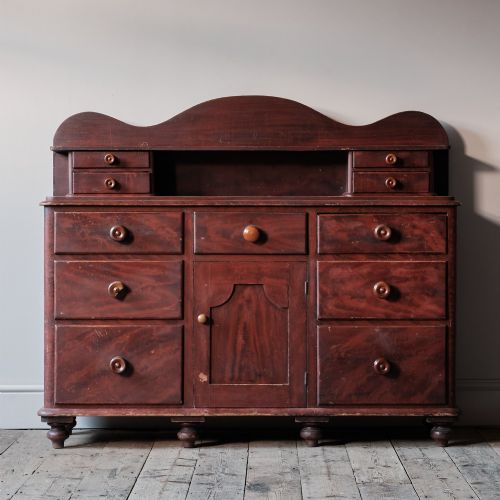
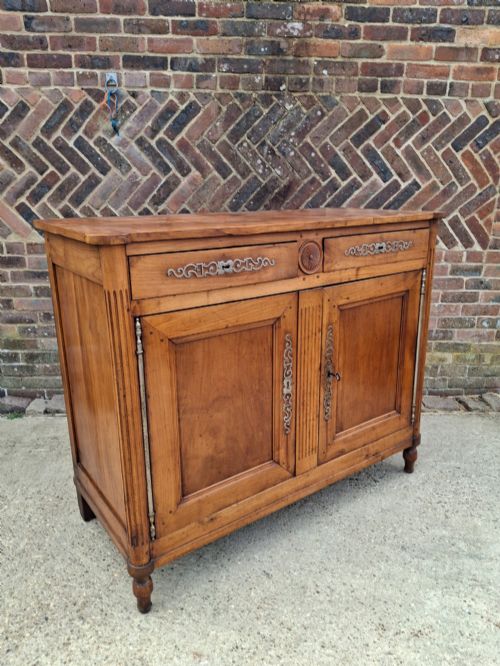
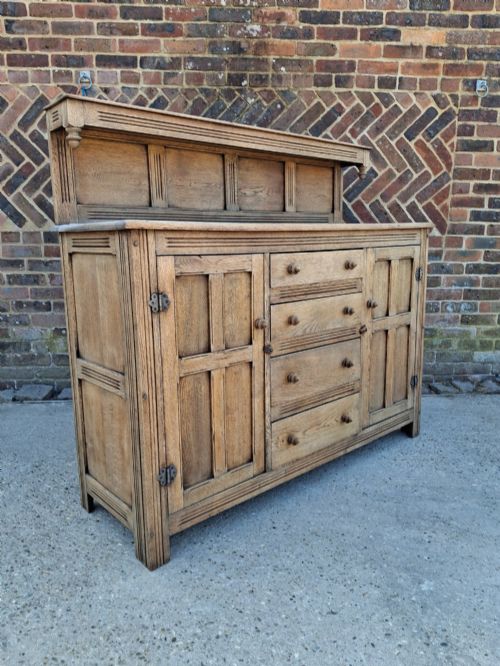
Rustic Sideboard
A rustic sideboard brings honest timber and utility into a room, offering robust storage shaped by country craftsmanship.
Rustic Sideboard
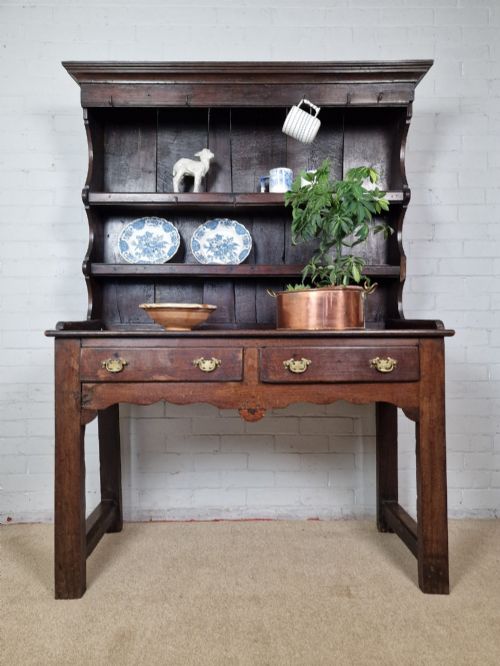
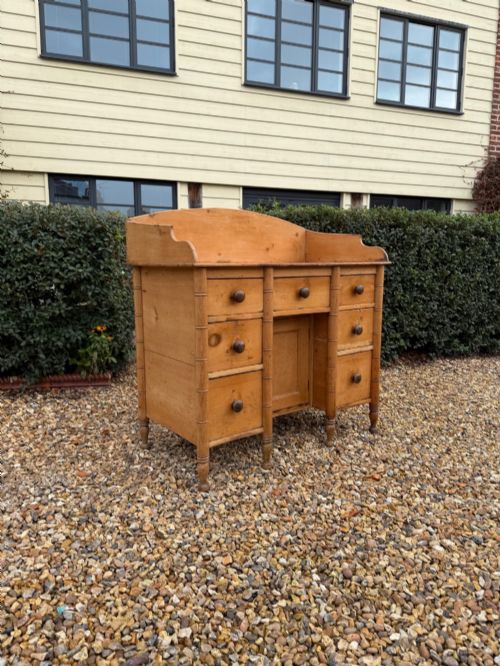
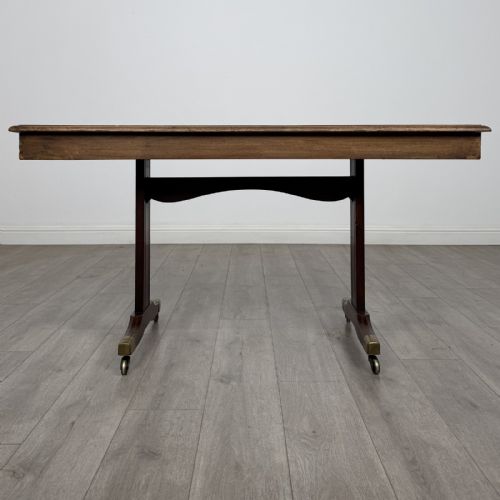
A rustic sideboard serves as a practical storage piece shaped by utilitarian country traditions. These items encompass heavy oak dresser bases, pine kitchen cupboards, and long oak serving tables designed for daily household use.
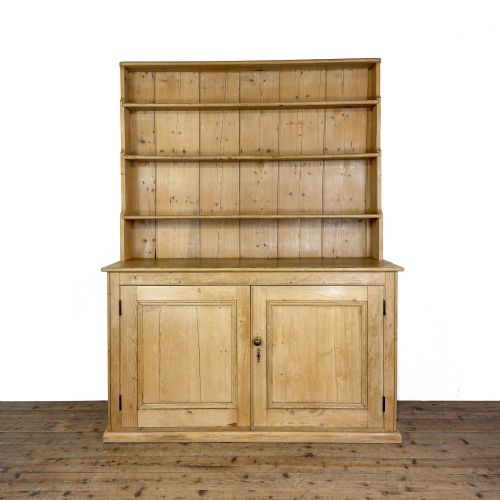
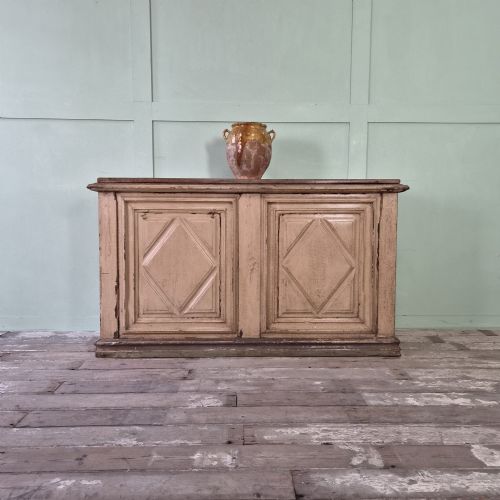
The versions most frequently met on this page date from the nineteenth and early twentieth centuries. They emerge from English, French, and Welsh workshops, constructed primarily from solid oak, pitch pine, and standard pine.
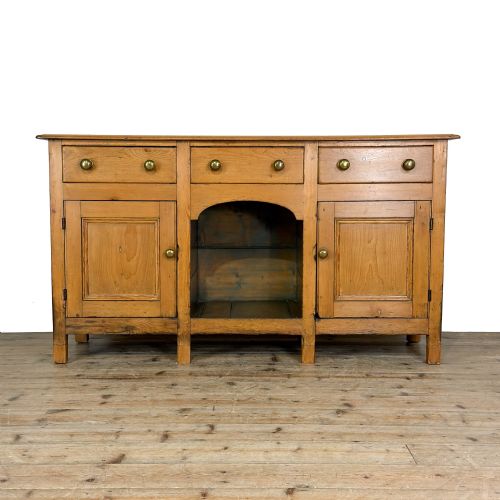
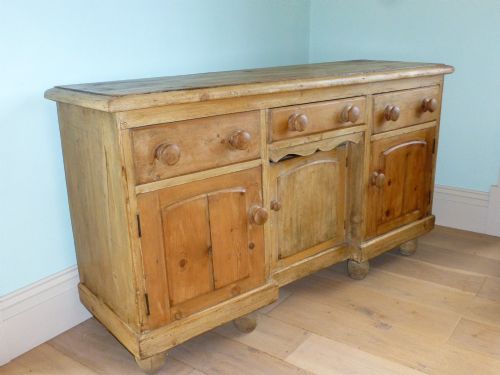
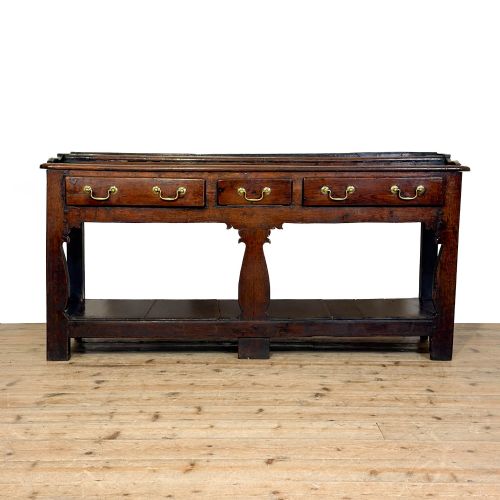
Forms range from simple potboard bases and drawer banks to large cupboards fitted with brass ring pulls and iron hardware. Each piece reflects the functional needs of rural kitchens, boot rooms, and dining spaces.
How they were made
Makers constructed these pieces using solid hardwoods and softwoods like oak, pine, and pitch pine, often joined with traditional hand-cut joints. Surfaces frequently show the marks of basic hand tools and utilitarian construction methods suited to country workshops.
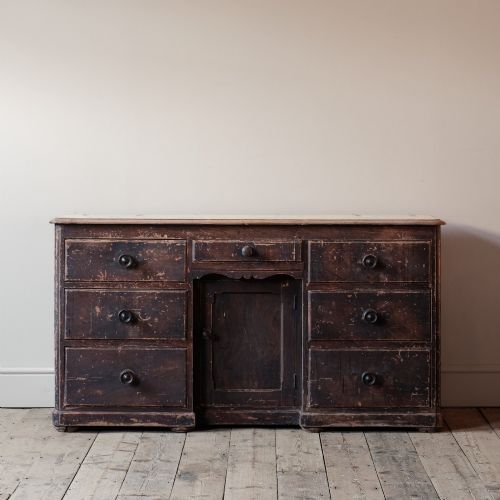
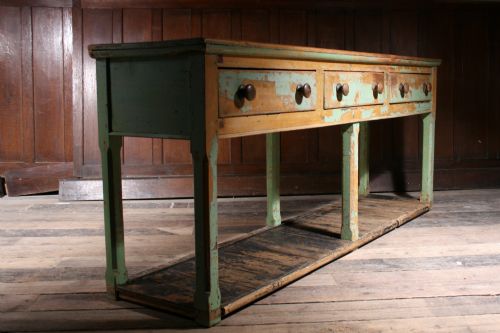
Hardware consists of simple brass ring handles, brass ring pulls, and iron fixtures attached directly to doors and drawers. Finishes range from natural waxed grain and dark polish to original painted surfaces and blue or polychrome pigments.
Rustic Sideboard Retail Price Guide 2026
Typical asking prices for rustic sideboard among the pieces listed under this phrase on Sellingantiques today, from the lower quarter to the upper quarter. They describe what is for sale here now, not the wider market.
Listings feature items spanning from the eighteenth century through to the early twentieth century, constructed from oak, pine, pitch pine, and walnut.
What varies in quality
The grade of timber and the integrity of the original construction dictate the standard of a piece. Solid oak framing from earlier periods commands attention for its density, while later pine items rely on the survival of their original paint and surface patination.
Proportion and regional character distinguish finer examples from standard utility items. A Welsh dresser base or an eighteenth-century oak sideboard demonstrates deliberate regional joinery, whereas standard twentieth-century pine cabinets offer simpler domestic utility.
The Rustic Sideboard Glossary
- Dresser base
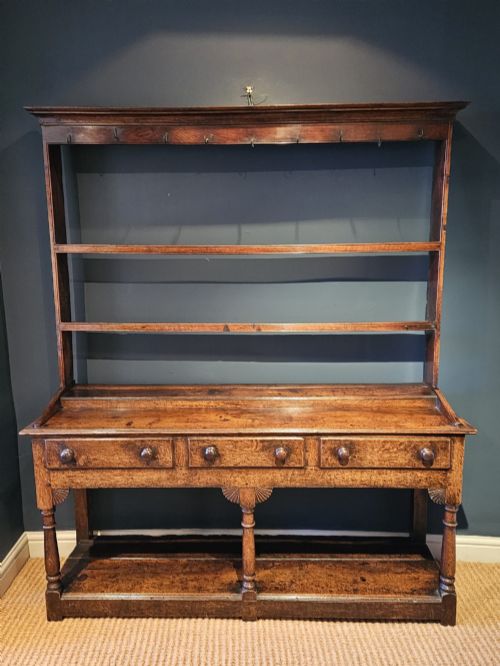
- A low wooden storage unit featuring drawers above cupboards or an open potboard shelf below. It forms the foundation of traditional country kitchen storage.
- Potboard
- An open lower shelf fitted beneath a dresser base or serving table. It provided a dry space to store heavy pots and kitchen earthenware off the flagstone floor.
- Enfilade
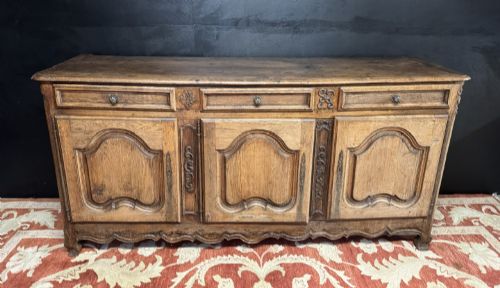
- A long French storage sideboard featuring a linear run of doors and drawers. These large items served formal dining rooms and country houses alike.
- Cwpwrdd Deuddarn
- A traditional Welsh two-section cupboard constructed from solid oak. It represents specific regional vernacular furniture from earlier centuries.
- Pitch Pine
- A dense, resinous softwood sourced mainly from North America and used extensively for nineteenth-century furniture. It yields a distinctive grain pattern when polished.
Rustic Sideboard: Frequently Asked Questions
What is a rustic sideboard?
A rustic sideboard is a heavy wooden storage unit built for practical use in country houses, kitchens, and dining rooms. These pieces include oak dresser bases, pine cupboards, and serving tables.
They originate mostly from the eighteenth, nineteenth, and early twentieth centuries. Their design prioritises utility, storage capacity, and honest timber construction over delicate decorative carving.
Where were they used?
These items belonged primarily in the working areas of traditional homes such as kitchens, boot rooms, and pantries. They stored heavy crockery, linens, and provisions for daily household life.
Larger oak and French enfilade sideboards also stood in dining spaces to serve food and hold tableware. Their robust construction allowed them to withstand heavy daily demands.
How do I live with one?
Living with a rustic sideboard involves integrating its generous storage and substantial timber presence into a modern home. They anchor dining rooms, hallways, and open-plan kitchens effectively.
Treat the aged wooden surfaces with standard beeswax to maintain the grain. Allow for natural timber movement and variations in colour as part of the historic character.
How do I tell periods apart?
Distinguishing periods relies on observing timber selection, construction joints, and hardware styles. Eighteenth-century examples feature dense oak, hand-carved details, and pegged joinery.
Nineteenth and early twentieth-century versions often utilise pine, simpler machine-sawn elements, and applied painted finishes. Hardware transitions from heavy iron hooks to brass ring pulls on later pieces.