

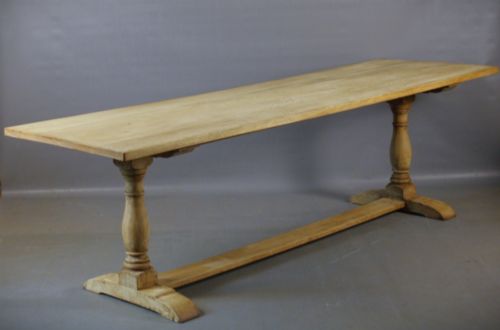
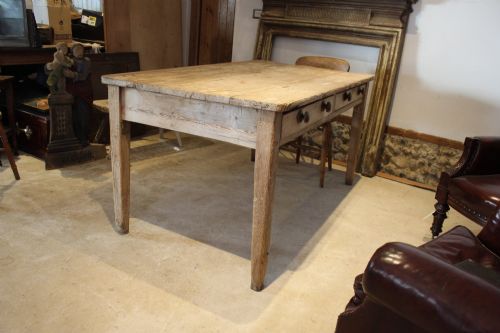
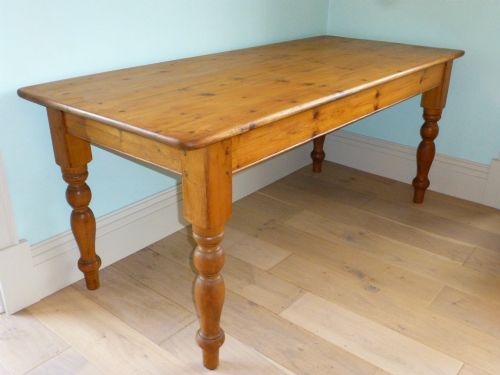
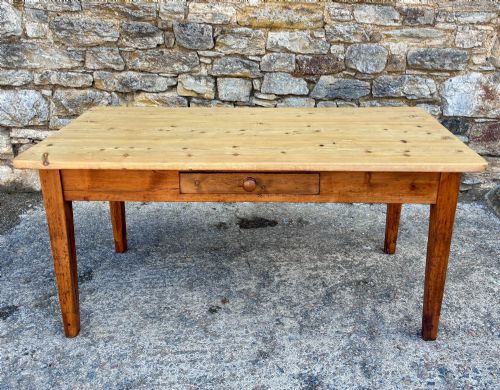
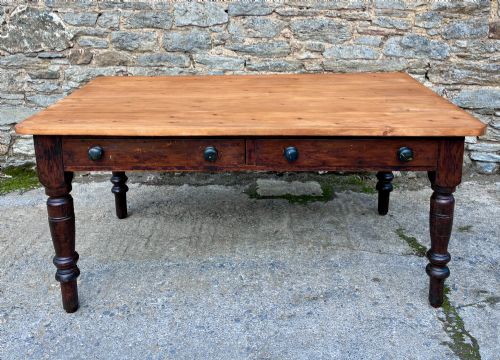
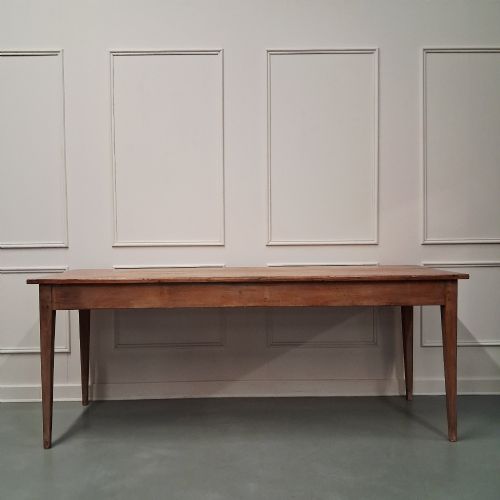
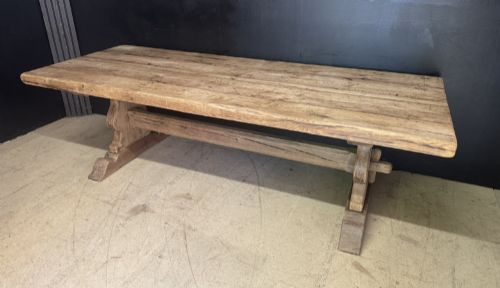
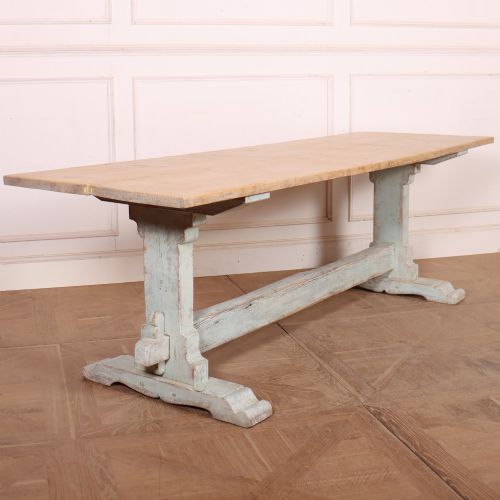
Rustic Scrubbed Table
A rustic scrubbed table brings working heritage into daily life, offering honest surfaces shaped by decades of domestic use.
Rustic Scrubbed Table
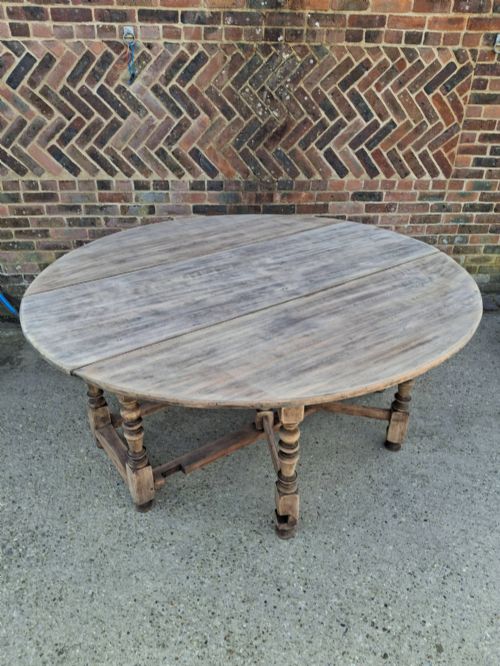
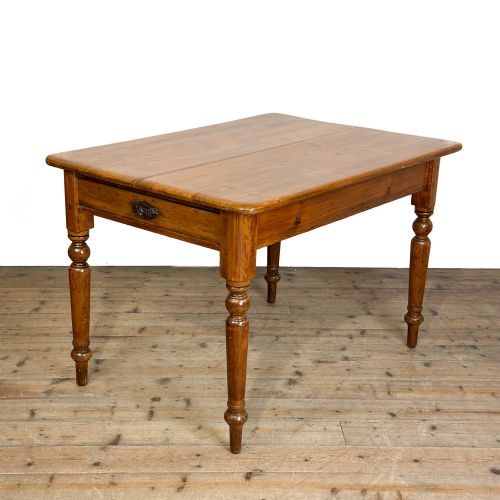
A rustic scrubbed table encompasses hardworking domestic and commercial furniture designed for daily utility rather than formal display. These pieces originate primarily from nineteenth-century workshops, alongside examples stretching from the Georgian era into the early twentieth century.
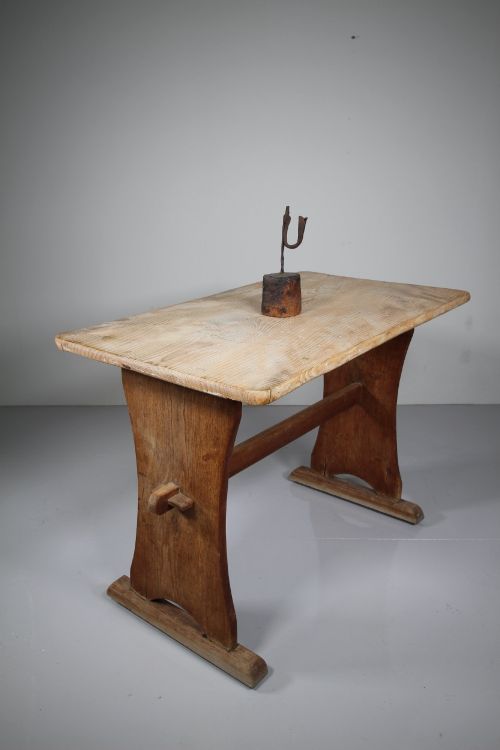
The selection centres on kitchen, dining, and refectory forms alongside specialist work surfaces such as prep, tavern, and dairy tables. Buyers encounter pine and oak constructions shaped within English, French, and Scandinavian country traditions.
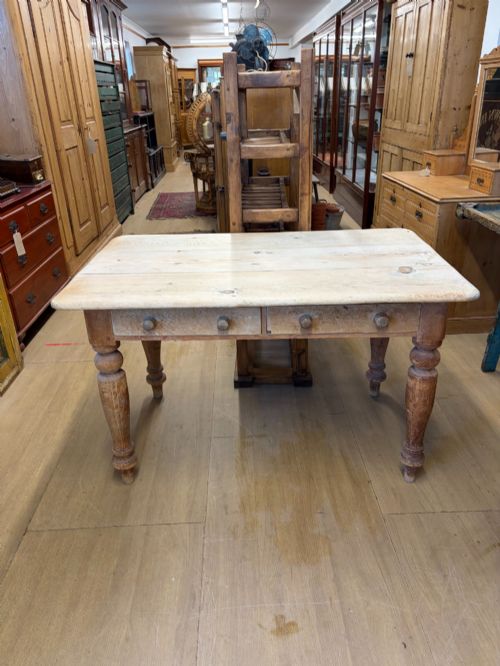
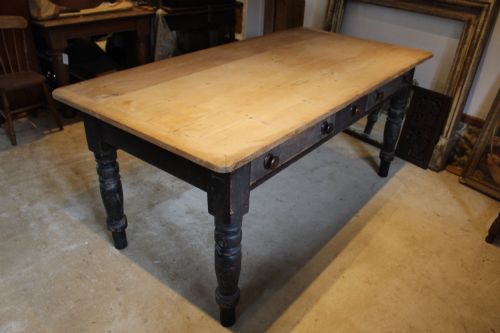
Kitchen and dining tables dominate the offerings, providing generous proportions suited to communal gatherings. More compact console, coffee, and side variations appear alongside functional scullery and potting designs.
Proportion and Integrity
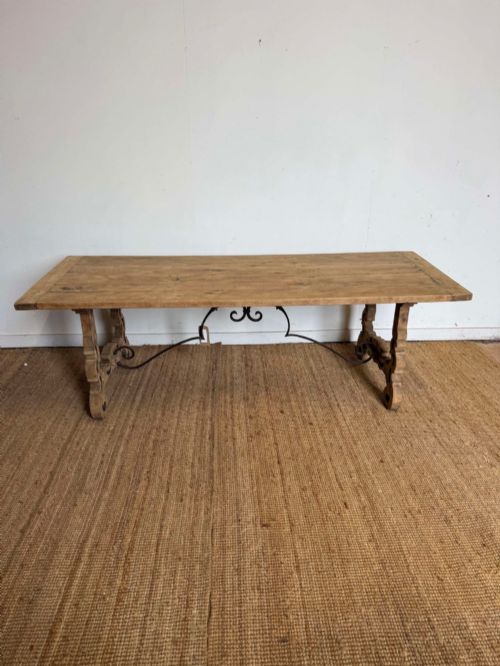
Quality rests in the balance of proportions and the undisturbed character of the timber. Tables featuring substantial timber thickness and well-balanced stretcher arrangements show superior structural thought.
The depth of the top and the integrity of the base determine the piece's authority in a room. Examples retaining original painted bases or untouched scrubbed tops command greater interest than heavily altered pieces.
Rustic Scrubbed Table Retail Price Guide 2026
Typical asking prices for rustic scrubbed table among the pieces listed under this phrase on Sellingantiques today, from the lower quarter to the upper quarter. They describe what is for sale here now, not the wider market.
Historic milkmaids and tavern keepers likely splashed more ale and cream onto these scrub tops than any modern chef.
The Rustic Scrubbed Table Glossary
- Scrub top
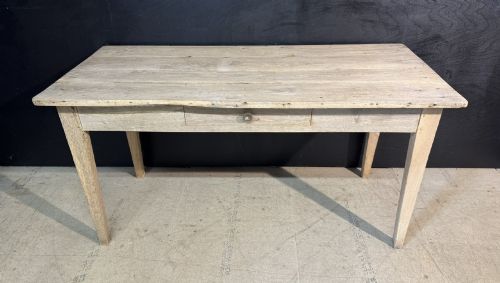
- A wooden table top repeatedly washed with water and sand or stone to keep it clean, resulting in a pale, textured surface with prominent grain. This process creates the characteristic weathered feel prized by collectors.
- Refectory
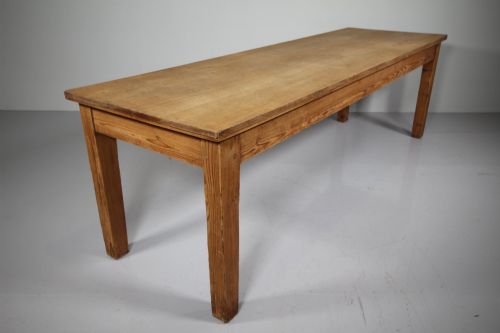
- A long, narrow dining table historically used in communal dining halls and distinguished by substantial length and supporting stretchers. These tables provide generous seating capacity along their flanks.
- Tavern table
- A compact, sturdy wooden table designed for commercial alehouses and domestic public spaces during earlier centuries. They feature robust legs and thick tops built to withstand heavy public traffic.
- Prep table
- A utilitarian work surface utilised for food preparation in large country houses, dairies, or sculleries. These often incorporate drawers or lower shelves for storage.
Rustic Scrubbed Table: Frequently Asked Questions
How do I care for a scrubbed top?
Clean the surface with a damp cloth and mild soap, avoiding harsh chemical cleaners that strip natural oils. Regular light waxing helps protect the wood from moisture without altering its matte finish.
Keep the table away from direct heat sources and sudden humidity changes to prevent the timber from splitting. Use placemats and coasters to guard against staining from everyday use.
Where were these tables used originally?
These tables served in domestic farmhouses, country houses, rectories, and commercial establishments like taverns and dairies. They functioned as primary work spaces for food preparation, laundry sorting, and communal dining.
Their robust construction allowed them to endure demanding daily tasks in busy working environments. Over decades, this constant utility formed the distinctive patinated surfaces seen today.
How do I date an antique wooden table?
Examine the construction methods, tool marks, and timber characteristics to establish an approximate period. Hand-sawn boards, pegged joinery, and the wear patterns around the frame offer key chronological clues.
Hardware types and timber species also help narrow down the manufacturing era. Comparing proportions against documented regional styles confirms the likely period of origin.
Can I use a kitchen table outdoors?
Exposing antique timber tables to outdoor weather conditions risks warping, rotting, and severe structural damage. Fluctuating temperatures and moisture break down historical glues and weaken the wood fibres.
Keep these pieces indoors within stable climate conditions to preserve their structural integrity and surface patina. Covered indoor porches provide a safer alternative if sheltered from direct dampness.