
Rustic Pine Wooden Coffer
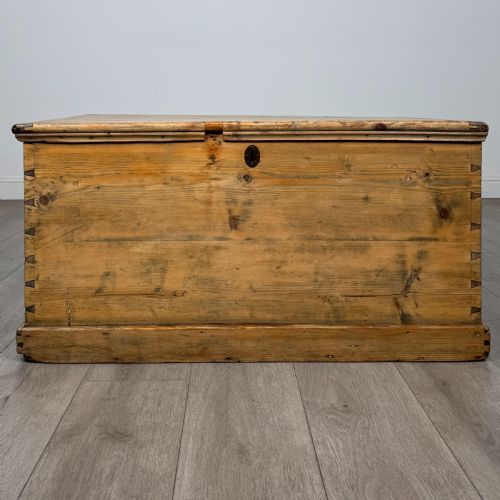
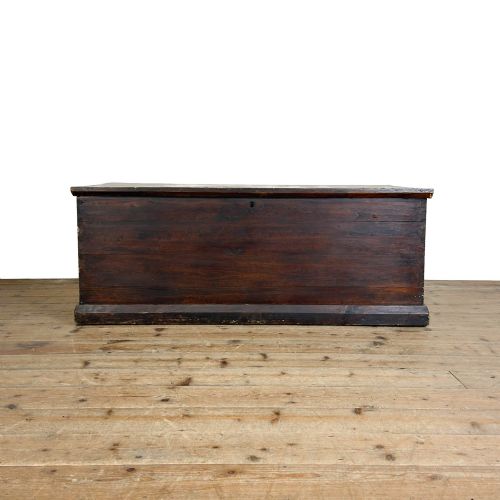
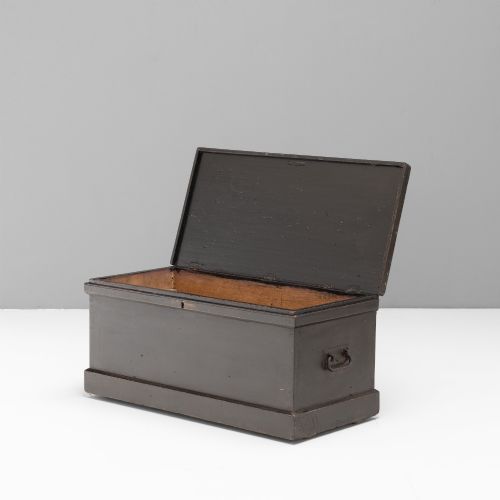
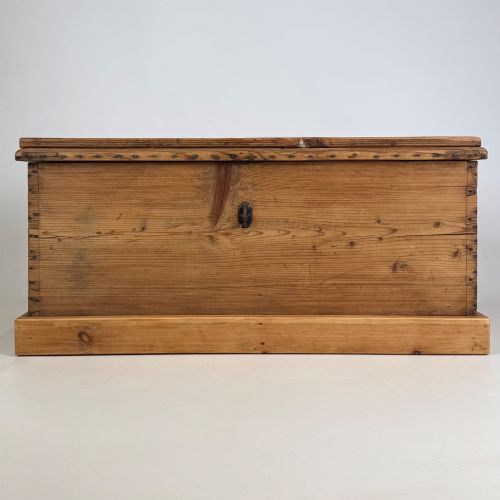
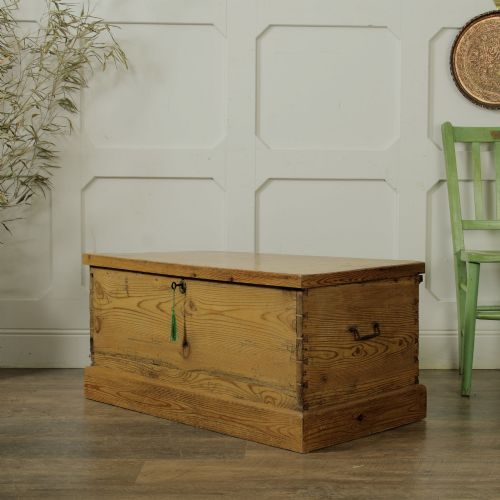
A rustic pine wooden coffer brings robust country storage and historic character into a room.
Rustic Pine Wooden Coffer
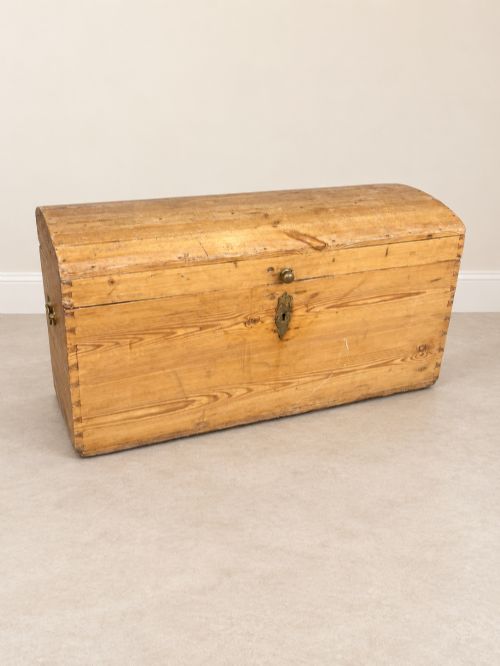
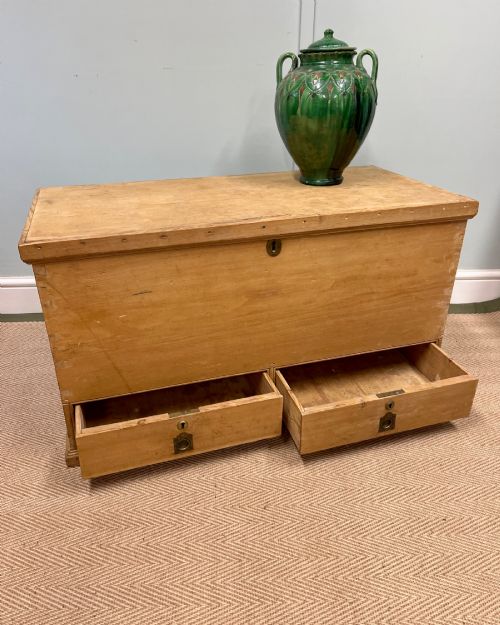
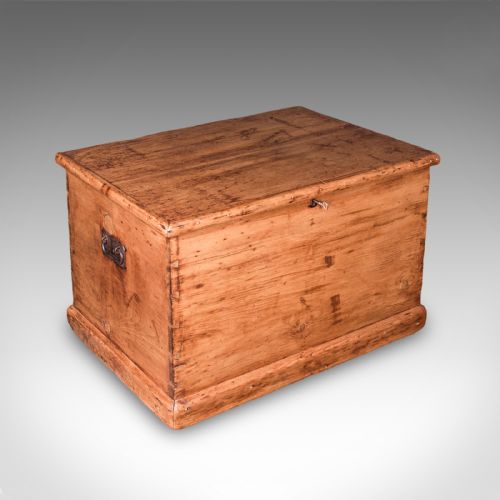
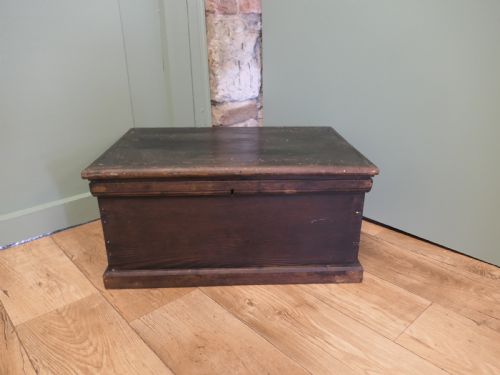
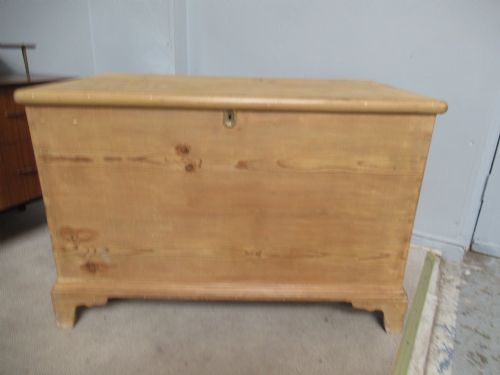
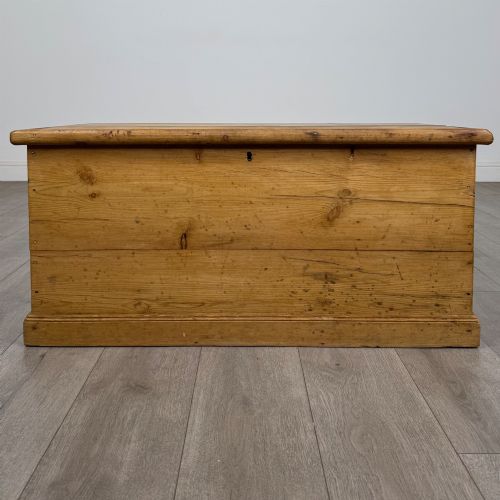
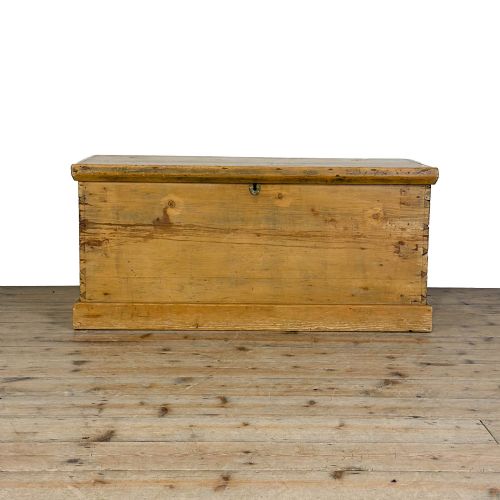
A rustic pine wooden coffer typically appears as a sturdy storage box, blanket chest, or mule chest designed for domestic use. The pieces seen on this page span the 18th century, Georgian, Regency, and Victorian periods, with regional examples originating from Britain, France, Scandinavia, Austria, and Hungary.
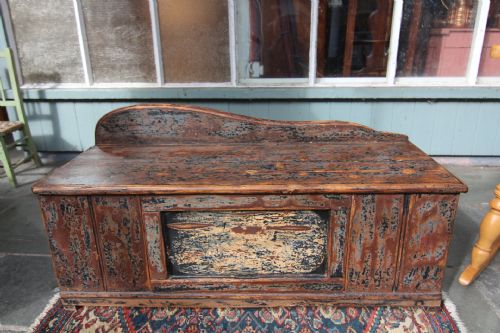
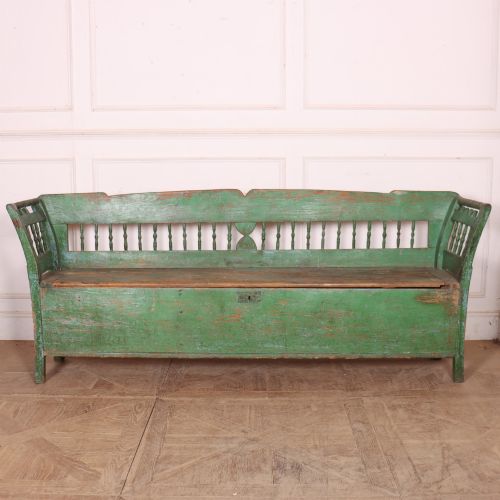
Buyers will most frequently encounter 19th-century Victorian blanket boxes and travel trunks made from plain, waxed, or painted pine. Variations include dome-top chests, pieces with internal drawers, and related forms such as wooden benches and settles.
Materials and construction methods
These chests rely principally on solid pine and pitch pine, occasionally paired with secondary timbers like oak or elm for structural strength. Carpenters constructed the bodies using durable joinery to withstand heavy daily use in domestic and travel settings.
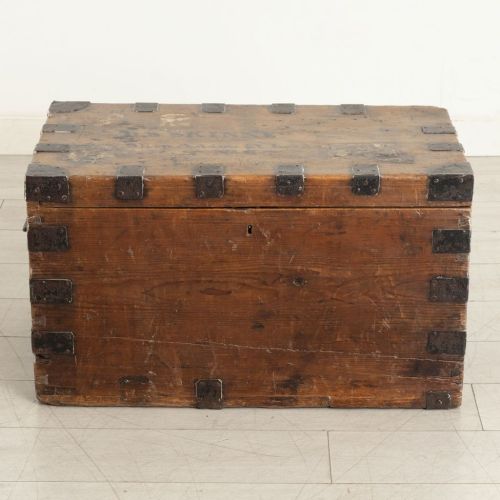
Metal reinforcement is common, utilising iron, wrought iron, and brass hinges, locks, and strapwork to secure the lids and corners. Surface finishes range from natural wax and stripped wood to original paint, scumble glaze, and decorative paper linings.
Materials include standard pine, pitch pine, iron, brass, and painted or scumble-glazed surfaces.
Factors that distinguish quality
The standard of a rustic pine wooden coffer depends on the integrity of its original construction and the preservation of its surface materials. Pieces retaining their original paint, hand-forged iron strapwork, or integrated internal drawers demonstrate superior craft and survival.
Proportion and decorative detailing also set examples apart, ranging from simple utilitarian tool boxes to finer fitted Georgian and Victorian chests with distinctive waxed patination.
The Rustic Pine Wooden Coffer Glossary
- Cofer
- A large wooden chest used historically for storing valuables, clothing, or household goods. Most examples feature a hinged lid and robust timber construction.
- Mule chest
- A traditional storage chest fitted with one or more drawers beneath the main compartment. This form bridges the gap between a standard box and a chest of drawers.
- Scumble pine
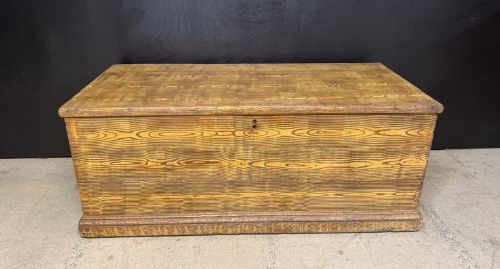
- Pine treated with a translucent glaze applied over a base coat to imitate the grain of more expensive hardwoods. The technique was popular during the Victorian era for decorative furniture.
- Strapwork
- Ornamental metal bands of iron or brass fixed across the exterior of a chest to reinforce the corners and hinges. It adds both structural rigidity and visual contrast to the wood.
- Pitch pine
- A dense, resinous variety of pine timber valued for its durability and distinct grain pattern. It appears frequently in heavier Victorian trunks and storage chests.
Rustic Pine Wooden Coffer: Frequently Asked Questions
What is a rustic pine wooden coffer used for?
These chests were historically utilised for storing blankets, tools, personal clothing, and domestic valuables. Today, they serve practical storage functions in living spaces while adding historic texture to a room.
Their sturdy lids also allow them to double as surface tables or casual seating benches depending on the room layout.
How do I date an antique pine chest?
Dating relies on observing construction marks, hardware types, and stylistic indicators such as Georgian bracket feet or Victorian box joints. Paint finishes and ironwork styles also offer clear clues to the manufacturing decade.
Comparing the timber grain and internal fittings against documented period examples helps confirm the age of the piece.
Are painted pine coffers authentic?
Many regional chests from Britain, France, and Hungary were decorated with painted surfaces or scumble glazes from the time of manufacture. Original paint layers exhibit natural wear and craquelure that distinguishes them from later decorative overpainting.
Examining the pigment and underlying timber helps verify whether the finish dates to the period of the piece.
How should I care for a waxed pine coffer?
Maintain the timber by applying a traditional beeswax polish sparingly to nourish the dry wood and preserve the surface sheen. Avoid placing antique pine in direct sunlight or near heat sources to prevent the wood from splitting.
Keep the interior clean and dry to protect stored textiles from humidity and moisture damage.