




Rustic Pine Wall Rack
A rustic pine wall rack brings honest utility and warmth to a room, offering practical storage with genuine character.
Rustic Pine Wall Rack
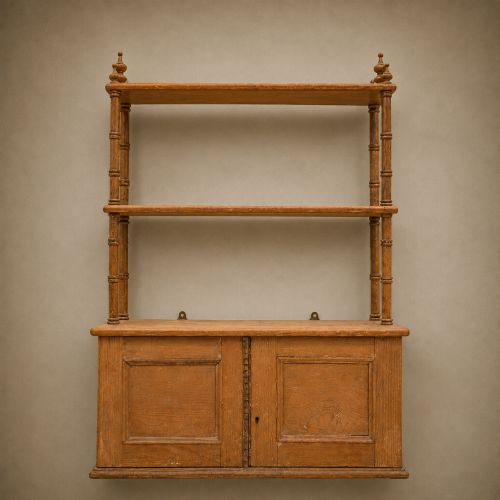
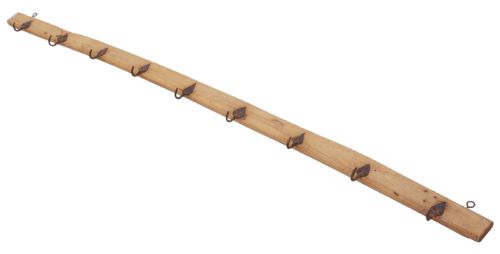
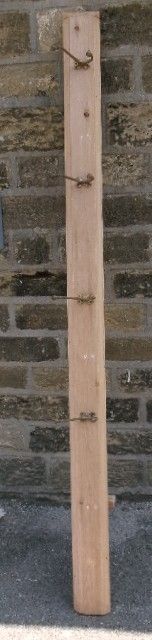
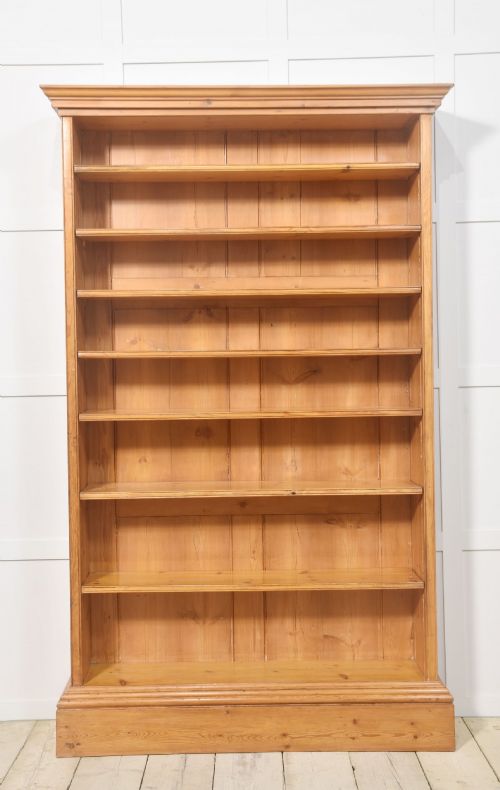
A rustic pine wall rack combines straightforward timber construction with everyday utility, taking forms such as open bookcases, plate racks, and coat hooks. Buyers searching for a rustic pine wall rack encounter practical storage solutions designed to mount directly onto walls or function as open shelving.
The pieces available span several eras, stretching from Georgian and 18th-century examples through Victorian country designs to later 20th-century items. Common configurations include open shelves, pigeon holes, and wall-mounted boards fitted with brass or wrought iron hooks.
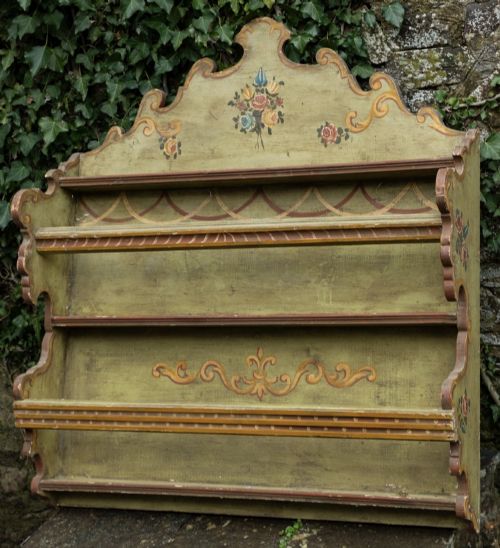
Origins vary across regional traditions, including English country workshops and continental pieces described as French or Hungarian country. These variations deliver distinct visual weights, from simple joined boards to hand-painted finishes.
Materials and construction
Makers relied primarily on solid pine and painted timber, building structures intended for hard daily use in kitchens, hallways, and living spaces. Metal components such as brass hooks, wrought iron fixings, and occasional metal details provide the functional hardware.
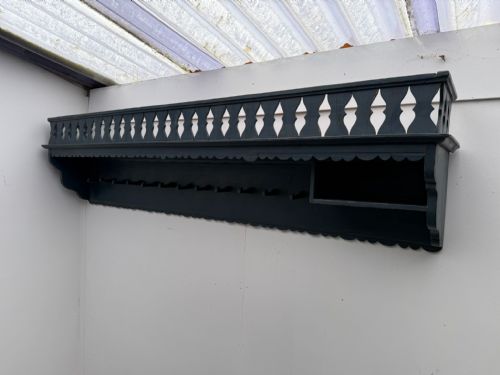
Surface treatments range from plain timber to painted wood and decorative hand-painted finishes, sometimes featuring fretwork. Joinery focuses on utility and strength rather than elaborate ornamentation, suiting the country and folk art styles seen across the inventory.
Rustic Pine Wall Rack Retail Price Guide 2026
Typical asking prices for rustic pine wall rack among the pieces listed under this phrase on Sellingantiques today, from the lower quarter to the upper quarter. They describe what is for sale here now, not the wider market.
Some kitchen racks retain original game hooks, ready for the day when dinner arrived via the shoot rather than the supermarket.
Assessing quality and character
Quality rests in the integrity of the timber and the honesty of the construction, where older 18th-century pieces show distinct signs of age and hand tool work compared to later 20th-century items. The presence of original decorative elements, such as fretwork or early paint, elevates a piece above standard utilitarian examples.
Hardware choice also differentiates pieces, with original brass double hooks or wrought iron game hooks offering greater authenticity than replaced fittings. The balance between practical storage capacity and refined proportions determines the visual success of each rack.
The Rustic Pine Wall Rack Glossary
- Pine
- A softwood commonly used for country furniture, valued for its accessibility and ability to take paint or wax finishes well.
- Delft rack
- A specialised wall-mounted shelf designed for displaying plates and ceramics, often featuring narrow ledges and plate grooves.
- Pigeon holes
- A grid of small rectangular compartments used for sorting documents, letters, or small items.
- Fretwork
- Decorative openwork carved into wood, often seen along the crests or aprons of 18th-century shelves.
- Wrought iron
- Iron beaten into shape by hand, frequently utilised for sturdy hooks and structural brackets on country pieces.
Rustic Pine Wall Rack: Frequently Asked Questions
How do I hang a heavy pine wall rack?
Ensure you locate the wall studs or use appropriate heavy-duty fixings suited to your wall type, as solid pine and loaded shelves carry significant weight.
Most racks feature fixed backboards or mounting points designed to distribute this load securely across the structure.
Are these racks suitable for modern kitchens?
Yes, their open format works well for storing everyday ceramics, cookbooks, or utensils while adding natural warmth to contemporary interiors.
Consider the depth of the shelves to ensure your plates or storage jars fit comfortably.
How do I tell an 18th-century rack from a later one?
Look at the construction methods, nail types, and timber patination, as older pieces often exhibit hand-sawn boards and pegged joinery.
Later Victorian and 20th-century examples generally display more uniform machining and standardised hardware.