



Rustic Pine Tripod Table
A rustic pine tripod table brings honest utility and vernacular character to a room, offering sturdy three-legged support in softwoods and painted finishes.
Rustic Pine Tripod Table
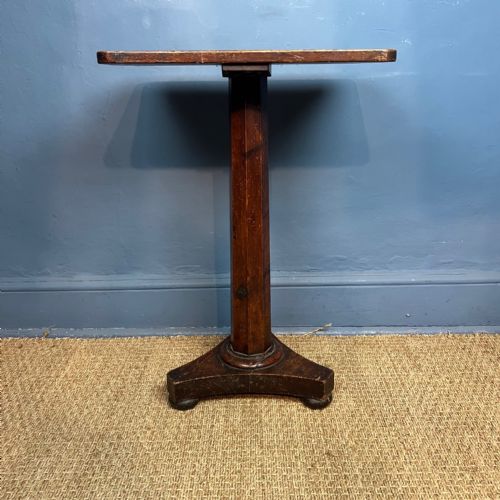
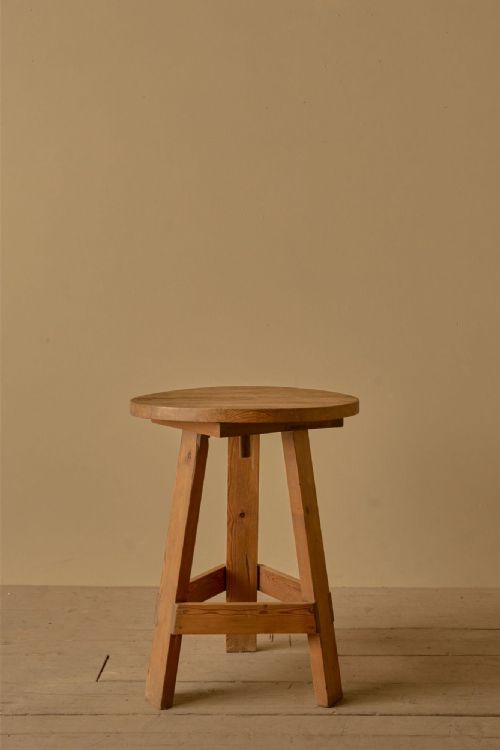
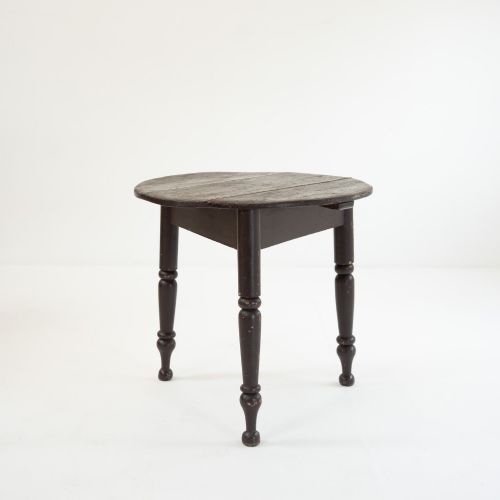
When you search for a rustic pine tripod table, you encounter three-legged vernacular pieces designed for everyday utility in country houses and workshops. The selection on this page centres primarily on cricket tables and occasional tables from the nineteenth century, alongside sculptors stands and painted supper tables.
Makers working in regional British and Scandinavian traditions built these items for practical use rather than formal display. You find plank tops, pedestals, and bobbin-turned legs spanning periods from eighteen hundred through the early twentieth century.
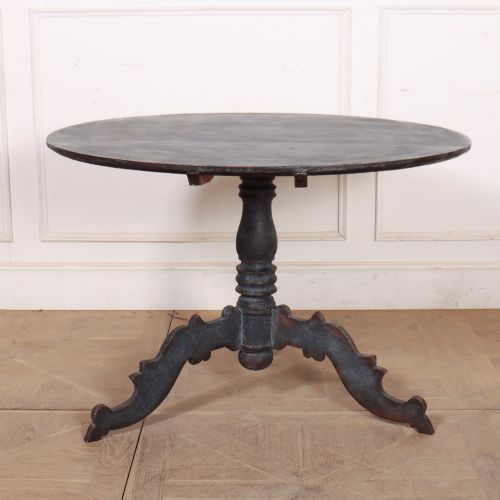
The forms range from compact rectangular side tables to large circular cricket tables and tip-top designs. Oak occasionally appears in the top boards, paired with pine bases or painted wooden frames.
How they were made
Makers constructed these tables using solid pine and occasional oak plank tops joined to three-legged timber bases. Many examples display painted wood finishes, showing layers of historic colour applied to protect the softwoods.
Structural joints rely on straightforward vernacular carpentry, including pegged construction and turned components like bobbin legs. The integration of tip-top mechanisms and pedestal supports demonstrates practical woodworking aimed at stability on uneven floors.
Rustic Pine Tripod Table Retail Price Guide 2026
Typical asking prices for rustic pine tripod table among the pieces listed under this phrase on Sellingantiques today, from the lower quarter to the upper quarter. They describe what is for sale here now, not the wider market.
A sturdy third leg saves a country table from the historic wobble of an uneven flagstone floor.
What varies in quality
Quality in these vernacular pieces rests on the balance of proportions and the integrity of the original timber. Tables with well-figured plank tops and undisturbed painted surfaces command greater interest than those with heavy structural replacements.
The crispness of turning on the legs and the tightness of the three-legged joint assembly distinguish standard utility pieces from finer vernacular examples. Surface patina, accumulated through generations of domestic or workshop use, defines the character of the surviving finish.
The Rustic Pine Tripod Table Glossary
- Cricket table
- A small three-legged round table with a plank top, traditionally used in British country interiors for dining or fireside tasks.
- Vernacular
- Objects built by local craftsmen following regional traditions rather than high-style academic designs, prioritising function and local materials.
- Tip-top table
- A table featuring a hinged top that pivots vertically to allow compact storage against a wall when not in use.
- Bobbin turned
- Legs or stretchers shaped on a lathe to create a series of rounded, spool-like swellings along the length of the wood.
Rustic Pine Tripod Table: Frequently Asked Questions
What is a cricket table?
A cricket table is a traditional three-legged occasional table featuring a circular wooden top. The three-legged design ensured stability on uneven farmhouse floors without rocking.
These pieces served various domestic purposes, from holding supper dishes to supporting bedside items in nineteenth-century country homes.
How do I date a pine table?
Dating relies on observing construction methods, tool marks, and timber characteristics. Nineteenth-century examples often display hand-sawn board edges and integrated peg joints.
Surface finishes, such as early painted layers or historic wax patination, also offer strong clues regarding the age of the piece.
Where were these tables made?
These tables originate from regional workshops across Britain and Scandinavia. Local joiners utilised readily available softwoods like pine alongside occasional hardwoods.
Regional styles include Welsh, English, and Scandinavian country traditions, each reflecting local furniture-making preferences.