

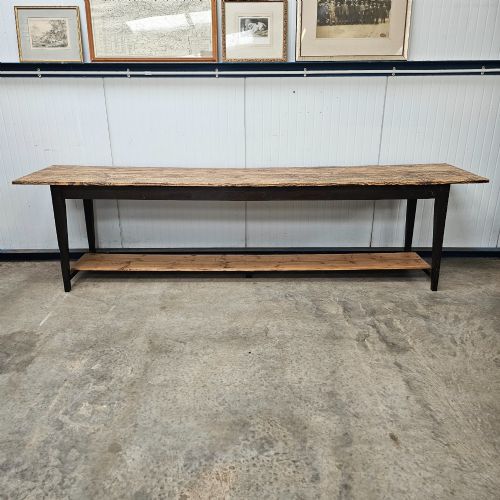


Rustic Pine Kitchen Island
A rustic pine kitchen island anchors a room with working character, offering durable preparation space built from honest timber.
Rustic Pine Kitchen Island
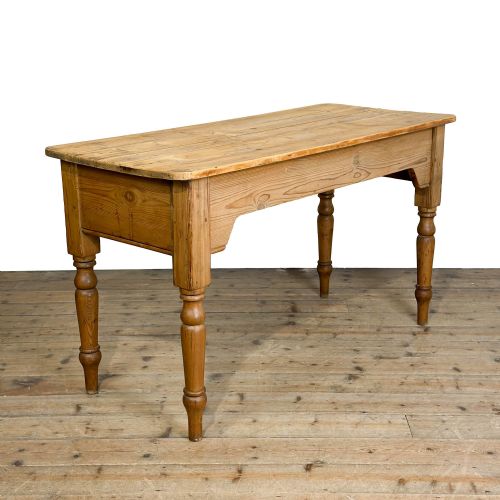
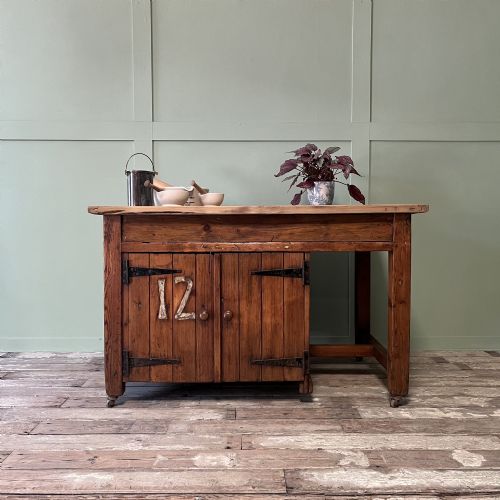
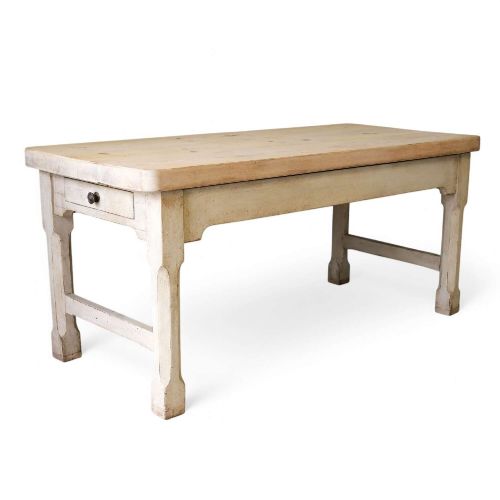
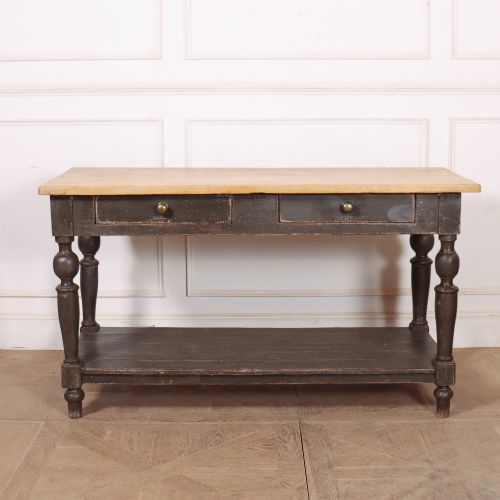
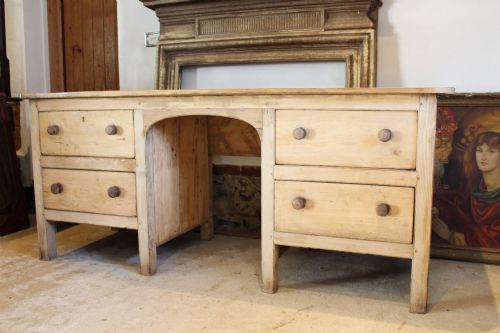
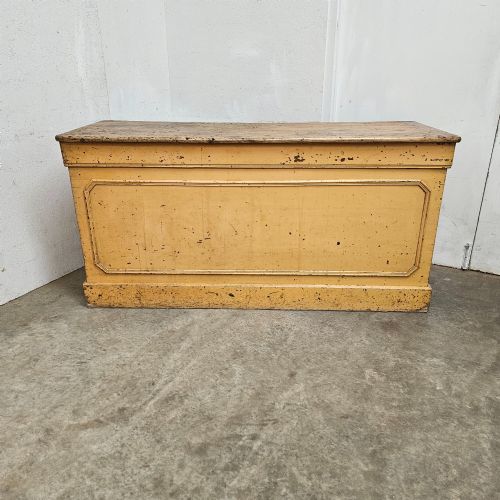
A rustic pine kitchen island brings utility and historic presence into the home, drawing on forms originally built for hard work. When you search for a rustic pine kitchen island, you encounter sturdy tables and counters designed for preparation, baking, and trade.
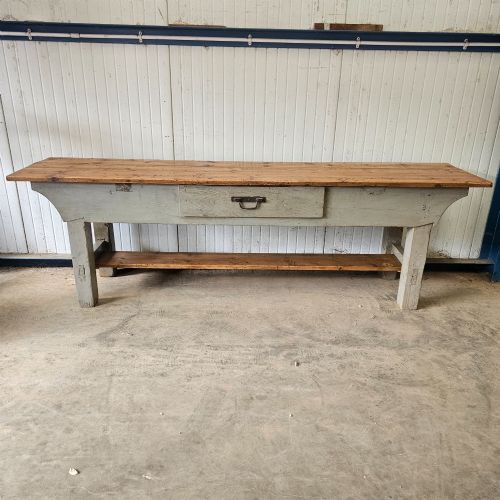
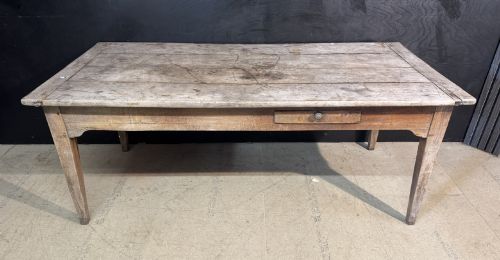
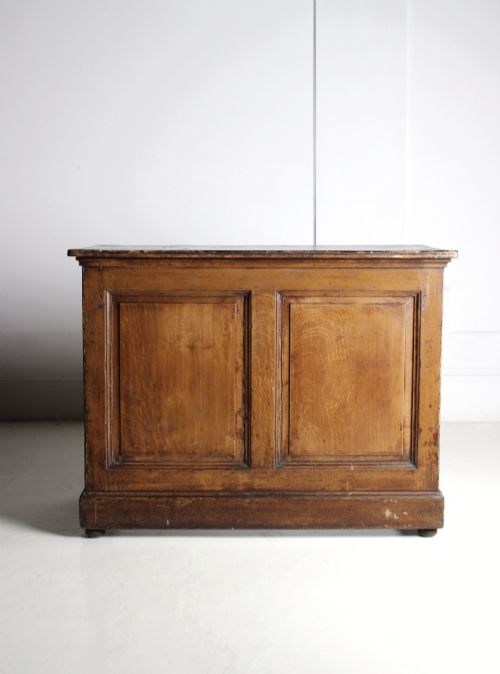
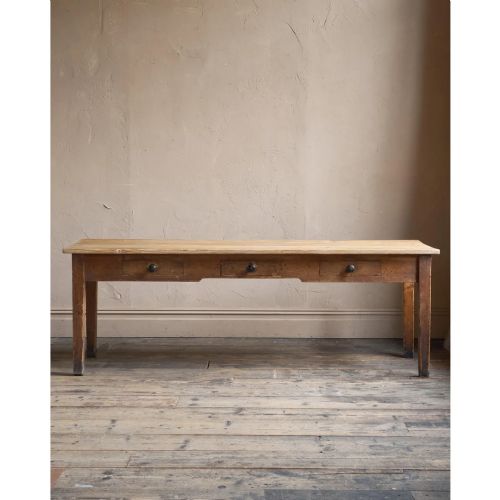
The pieces listed here span the nineteenth century and the early twentieth century, taking shape as farmhouse tables, prep tables, drapers tables, and shop counters. British, French, Scandinavian, and Hungarian examples dominate the selection, showing broad European utility traditions.
Many items combine pine with secondary woods like oak, beech, elm, or sycamore, sometimes paired with iron and brass hardware. You will find large harvest tables, workbenches, and scullery tables that serve naturally as central workstations.
How they were made
Construction relies heavily on solid pine alongside mixed hardwoods such as oak, beech, and elm for structural resilience. Carpenters utilised sturdy joinery to withstand daily tasks like kneading dough and cutting meat.
Surfaces often display the marks of historic layers including original paint, later paint, or waxed finishes. Iron and brass fittings provide functional reinforcement to drawers, bases, and counters.
Rustic Pine Kitchen Island Retail Price Guide 2026
Typical asking prices for rustic pine kitchen island among the pieces listed under this phrase on Sellingantiques today, from the lower quarter to the upper quarter. They describe what is for sale here now, not the wider market.
Bread slides hide quietly inside large Victorian dresser bases, waiting to hold your morning pastries.
What varies in quality
The distinction between ordinary utility items and superior examples lies in the integrity of the timber and the honesty of the finish. Original paintwork or untouched waxed patinas elevate a piece above later alterations.
Proportion and scale also dictate worth, particularly in long harvest tables, drapers tables, and substantial shop counters. Pieces retaining their original drawers, bread slides, or robust structural hardware command greater attention from collectors.
The Rustic Pine Kitchen Island Glossary
- Bread slide
- A pull-out shelf historically used for cooling loaves of bread before baking. This feature is commonly found in large Victorian dresser bases and prep tables.
- Drapers table
- A long, narrow table traditionally utilised in fabric shops for measuring and cutting cloth. Their generous length and shallow proportions make them ideal for modern kitchen spaces.
- Scullery table
- A heavy-duty wooden table designed for washing, food preparation, and kitchen chores. These pieces are characterised by sturdy timber tops and robust underframes.
- Harvest table
- An exceptionally long table designed to seat farm workers during seasonal communal meals. They offer deep proportions and sturdy pine or oak construction.
- WorkBench
- A heavy carpenter or trade table adapted with vices and deep tops. Swedish and European examples bring industrial utility into domestic settings.
Rustic Pine Kitchen Island: Frequently Asked Questions
How do I use a prep table as an island?
Prep tables offer a comfortable working height and generous surface area that mimics a fitted kitchen island. Their open underframes provide practical clearance for stools or storage baskets.
Positioning the table centrally allows access from all sides, supporting food preparation and casual dining.
Are painted finishes original on these tables?
Some pieces retain their original layered paintwork, while others show later coats applied during their working life. Examining the wear patterns reveals how long the paint has adhered to the pine.
Both original painted surfaces and stripped waxed pine represent authentic periods of use.
How do I care for a historic pine top?
Historic pine responds best to gentle cleaning with mild soap and warm water rather than harsh chemical polishes. Regular waxing helps nourish the dry timber and protects against daily moisture.
Accepting minor knocks and stains preserves the honest character acquired over centuries of use.
What is the difference between a drapers table and a farmhouse table?
Drapers tables are typically longer and narrower, designed originally for retail fabric cutting rather than dining. Farmhouse tables feature broader proportions suited for seating people along the sides.
Both styles utilise solid pine and heavy timber construction suited for kitchen work.
Can I seat people around these tables?
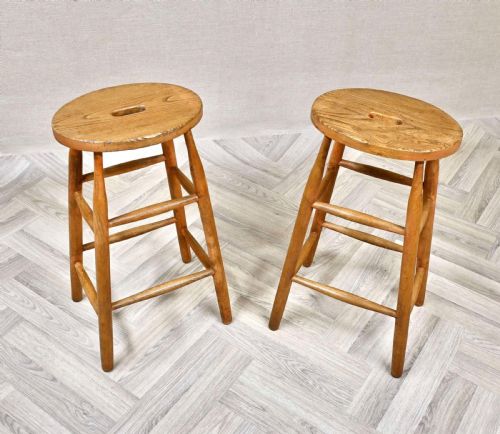
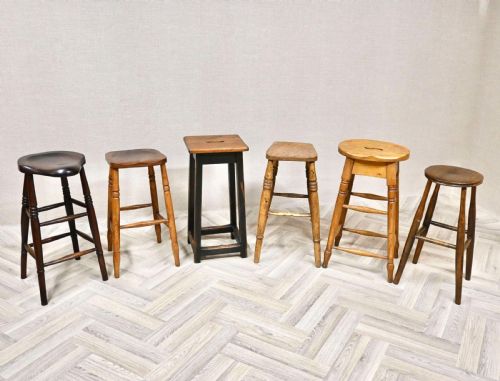
Many prep tables, harvest tables, and kitchen tables offer sufficient clearance underneath for benches or bar stools. Taller workshop pieces pair naturally with high stools for informal seating.
Checking the leg clearance and overall height ensures comfortable seating arrangements.