



Rustic Pine Frame
A rustic pine frame brings warmth to an interior, offering practical function through sturdy timber construction and honest craftsmanship.
Rustic Pine Frame
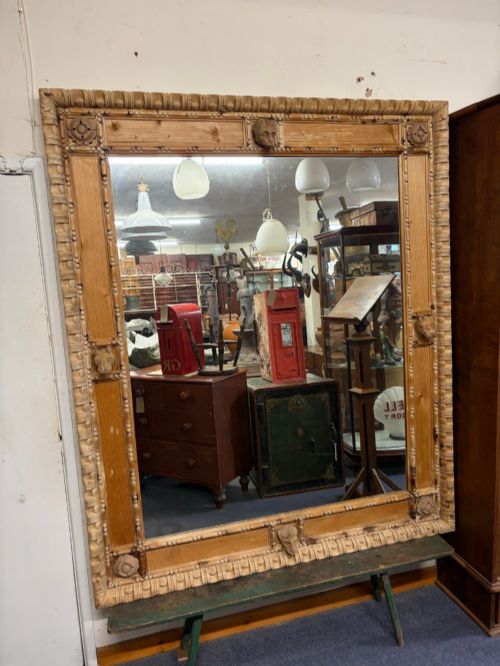
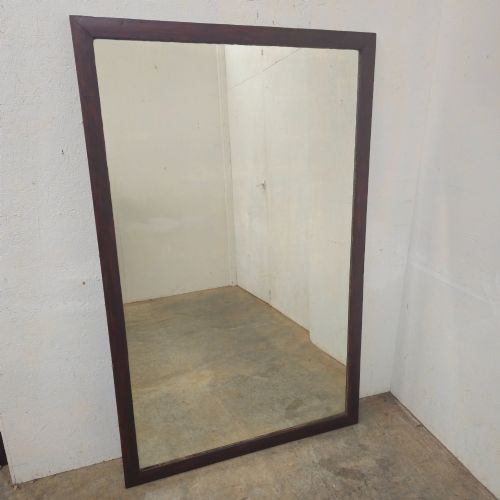
A rustic pine frame primarily manifests as wall mirrors, photo frames, and overmantle mirrors constructed from timber. These objects draw on vernacular country traditions, featuring straightforward construction designed for daily domestic utility.
The selection ranges from nineteenth-century English and Spanish mirror frames to double photo frames from the late Victorian period. Such pieces often display natural weathering or historical painted surfaces that reflect their functional origins in domestic and institutional settings.
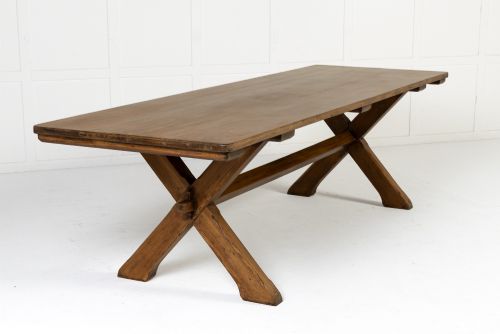
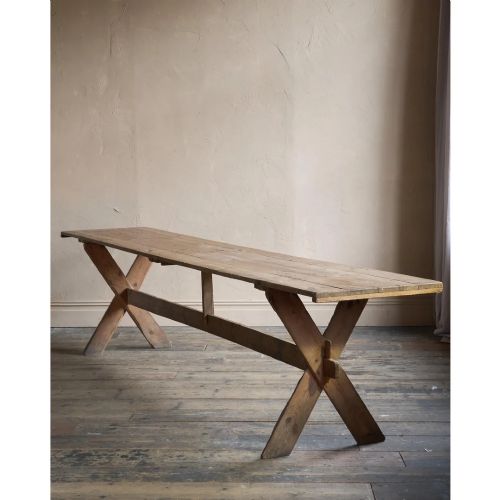
While tables and baskets also appear under broader rustic pine categorizations, the framed objects focus attention on timber grain, simple moulding, and period glass. They suit interiors that favour honest materials and unpretentious vernacular design.
What varies in quality
Quality rests in the integrity of the timber, the preservation of original surface treatments, and the balance of proportions. Superior examples retain untouched painted finishes, patinated wood surfaces, and original mirror plates rather than modern replacements.
Construction depth also distinguishes finer pieces, where corner joints remain tight and mouldings are cleanly shaped without crude alterations. The character of the wood grain and the subtlety of wear elevate certain frames above standard utilitarian items.
Rustic Pine Frame Retail Price Guide 2026
Typical asking prices for rustic pine frame among the pieces listed under this phrase on Sellingantiques today, from the lower quarter to the upper quarter. They describe what is for sale here now, not the wider market.
The Rustic Pine Frame Glossary
- Pine
- A softwood commonly used in vernacular furniture and framing due to its accessibility and workability. It accepts paint readily and develops a rich patina over decades of handling.
- Vernacular country
- A design style rooted in local traditions and practical utility rather than high-style academic conventions. Objects in this vein prioritize function and local materials.
- Patina
- The surface sheen and colour modification acquired by timber and paint over years of exposure and use. This quality indicates age and authenticity.
- Overmantle mirror
- A large mirror designed to hang directly above a fireplace mantelpiece. These frames often feature horizontal proportions suited to domestic hearths.
Rustic Pine Frame: Frequently Asked Questions
How do I date a pine frame?
Dating relies on examining construction methods, nail types, and the characteristics of the wood or mirror glass. Hand-beveled plates and older fixings often point to nineteenth-century origins.
Changes in paint layers and surface wear further help distinguish Victorian examples from later twentieth-century reproductions or adaptations.
Where should I hang a pine mirror?
These frames suit hallways, living rooms, and bedrooms where their warm timber tones can contrast with plain or painted walls. Their honest aesthetic works well in both traditional and contemporary spaces.
Ensure the wall fixings match the weight of the timber and the mirror plate to support the piece securely.
How do I clean a vintage wood frame?
Dust the timber gently with a soft, dry cloth to remove surface particles without disturbing the underlying patina. Avoid harsh chemical cleaners that strip historical wax or paint.
For glass sections, apply a mild glass cleaner to a cloth rather than spraying directly onto the plate, protecting the surrounding wood from moisture.
Are painted pine frames original?
Many frames retain early or original painted surfaces, such as historic red or white layers applied during the nineteenth century. Examining the wear around edges helps confirm whether the paint has aged naturally with the timber.
Subsequent overpainting is common in utilitarian country pieces, reflecting changing domestic tastes over time.