


Rustic Pine Food Safe
A rustic pine food safe brings honest utility and vernacular character into a modern kitchen.
Rustic Pine Food Safe
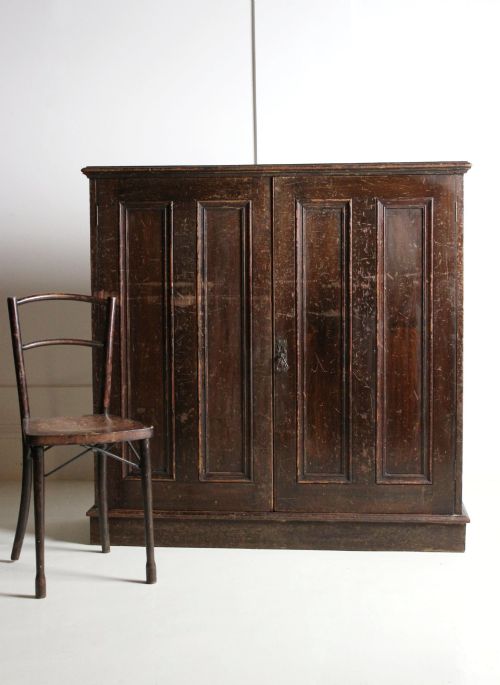
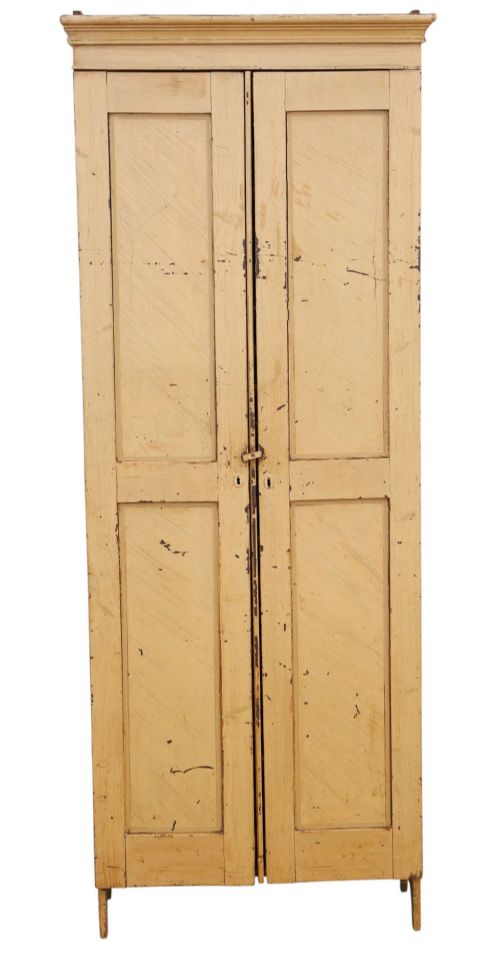
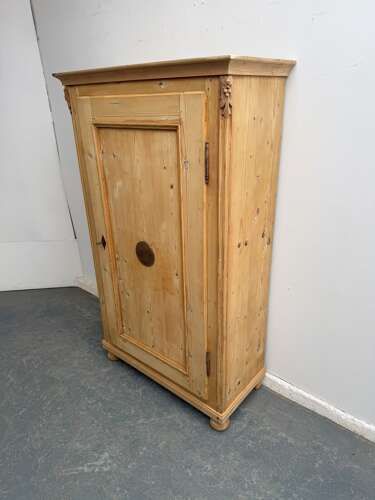
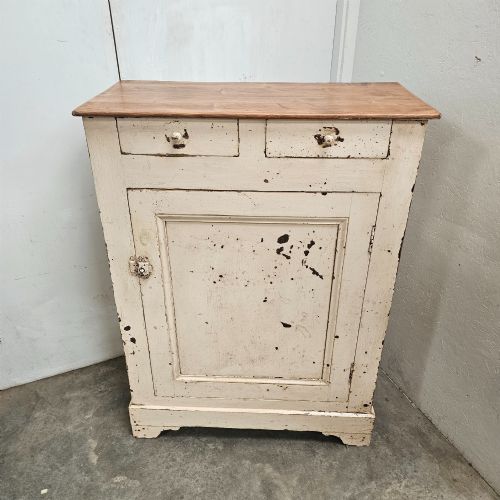
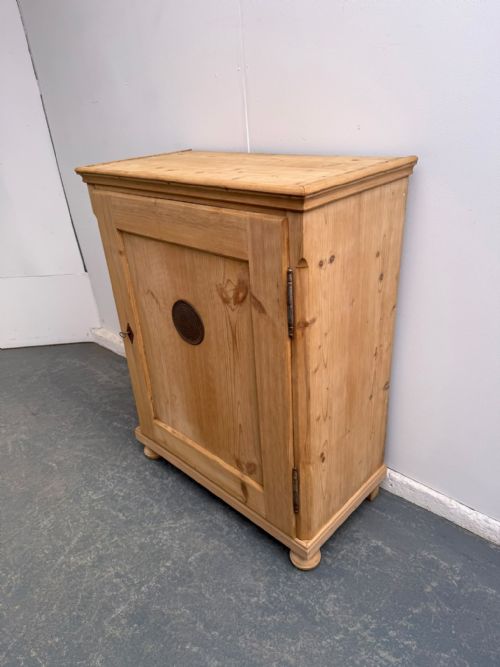
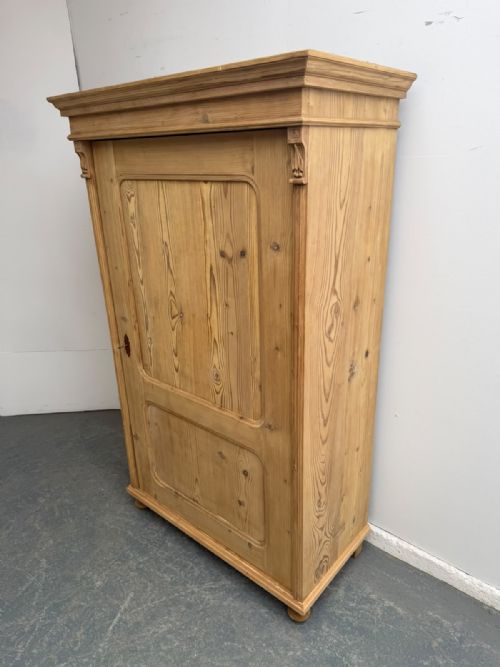
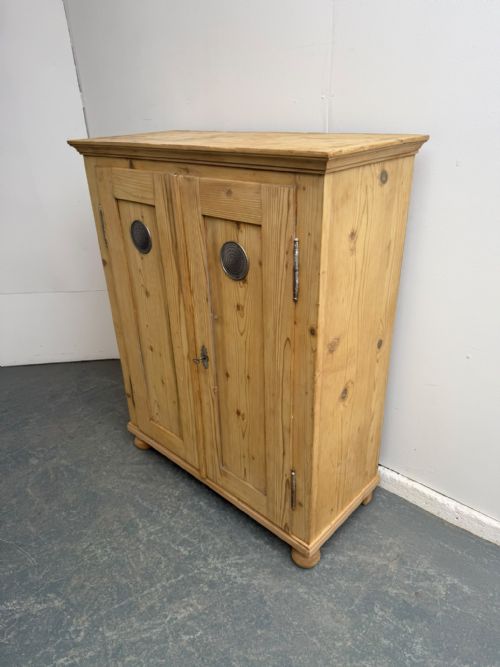
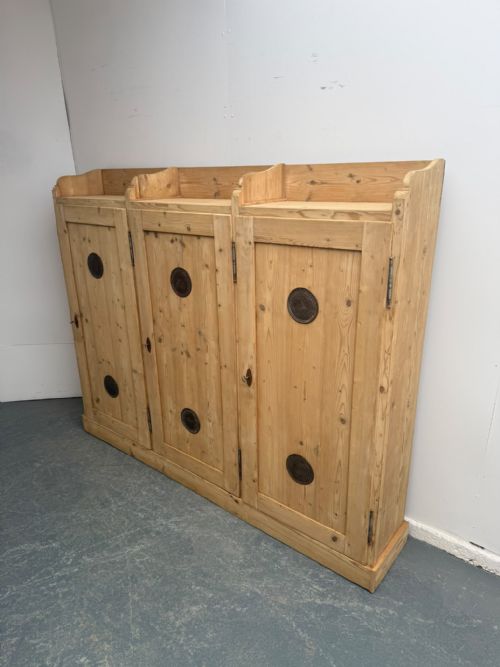
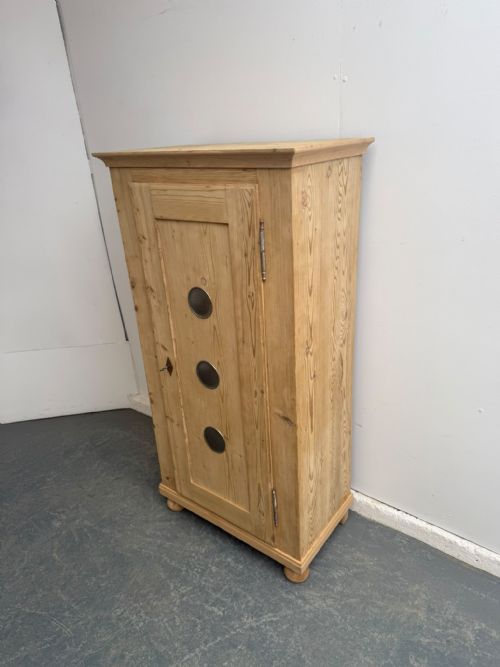
When you search for a rustic pine food safe, you are looking at practical storage pieces designed to keep provisions cool and protected before the days of domestic refrigeration. These items span periods from the Georgian era through the Victorian period and into the early twentieth century, taking forms such as vented cupboards, larder cupboards, and confituriers. You will most frequently meet nineteenth-century examples on this page, often featuring single doors with mesh or pierced ventilation panels.
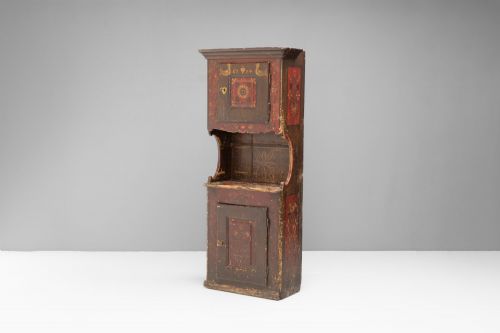
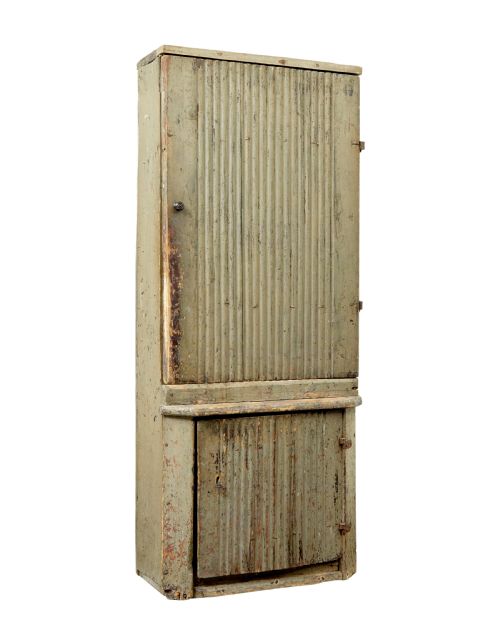
The regional variety is wide, encompassing Welsh vernacular, Scandinavian country, French provincial, and English Victorian country styles. Some examples arrive in bare stained pine ready to wax or paint, whilst others retain old painted surfaces, milk paint, or later sign writing. Whether tall and narrow or low and wide, each piece reflects the everyday domestic requirements of rural households across Britain and Europe.
How they were made
Construction relies upon solid pine boards joined simply and robustly to withstand heavy daily use in farmhouses and pantries. Joinery typically incorporates pegged mortise and tenon joints for frames, alongside hand-cut dovetails for drawer construction within pieces that combine storage space.
Ventilation panels utilise iron or metal mesh set into door frames to allow air circulation whilst keeping insects away from provisions. Hardware consists of brass or iron hinges, latches, and turn-buttons fitted directly to the timber doors.
One vintage pine cupboard carries later sign writing advertising Hovis Bread, hinting at a past life in a rural shop.
What varies in quality
The standard of a rustic pine food safe rests largely upon the integrity of its original construction and the survival of its surface finish. Pieces that retain their early or original paint, whether Scottish, Scandinavian, or French, hold distinct character compared to those stripped back to bare wood.
Proportion and utility also dictate distinction, with well-balanced shallow profiles, working ventilation doors, and intact internal shelving marking out superior examples. Alterations to hardware or replaced timber panels naturally shift a piece away from its original vernacular state.
The Rustic Pine Food Safe Glossary
- Food safe
- A ventilated cabinet designed for storing perishable provisions away from flies and vermin before modern refrigeration. These pieces commonly feature mesh or pierced panels in the doors.
- Vented cupboard
- A storage unit incorporating pierced wooden panels, wire mesh, or slatted openings to encourage air movement inside. They were essential furniture in traditional pantries and larders.
- Confiturier
- A small French cupboard originally utilised for storing jars of confit, jam, or preserves. They typically feature a single door above a small drawer and stand at a modest height.
- Bread and cheese cupboard
- A traditional vernacular storage piece built with perforated panels specifically to keep dairy and baked goods fresh. The design allowed cool air to circulate freely around the food.
- Housekeeper's cupboard
- A large storage cabinet traditionally kept in the heart of a large home for household linens, dry goods, and provisions. They frequently combine deep cupboards with sets of lower drawers.
- Vernacular furniture
- Domestic pieces built by local tradesmen and country joiners using regional materials to satisfy practical daily needs. This tradition prioritises function and local style over high-fashion urban design.
Rustic Pine Food Safe: Frequently Asked Questions
What is a rustic pine food safe?
A rustic pine food safe is a traditional ventilated cabinet built to store perishable provisions in the home before electricity and refrigerators became common. These pieces rely on mesh or pierced panels to keep air moving whilst protecting contents.
They reflect the straightforward carpentry of rural workshops, constructed to endure decades of practical use in pantries and farmhouse kitchens.
How were food safes used historically?
Families used these cupboards to store bread, cheese, cured meats, and butter safely away from household pests and dust. The mesh doors allowed cross-ventilation, which helped keep food cool in the days before mechanical refrigeration.
Over time, many found alternative uses for general linen, dry goods, and crockery storage as modern kitchens evolved.
How do I live with a pine food safe?
These cabinets work naturally in modern kitchens, utility rooms, and dining spaces as functional storage for glassware, tableware, or dry goods. Their neutral pine tones and weathered painted surfaces suit both traditional country interiors and contemporary rooms.
Maintenance requires little beyond occasional waxing for bare timber or careful cleaning to preserve old painted finishes.
How do I tell periods and styles apart?
Georgian and early nineteenth-century pieces often display heavier timber scantlings, hand-cut dovetails, and simpler hardware, whilst later Victorian examples frequently introduce metal mesh and more varied door configurations. Regional styles also offer clues, such as the distinctive painted finishes of Scandinavian country pieces or the specific proportions of Welsh vernacular furniture.
Examining the construction methods, nail types, and hinges helps establish whether a piece belongs to the eighteenth century or later Victorian periods.