
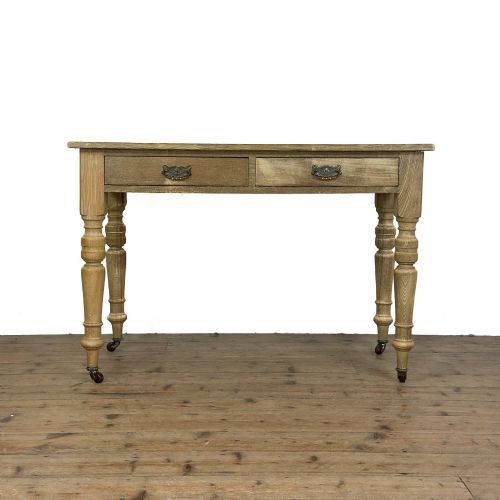
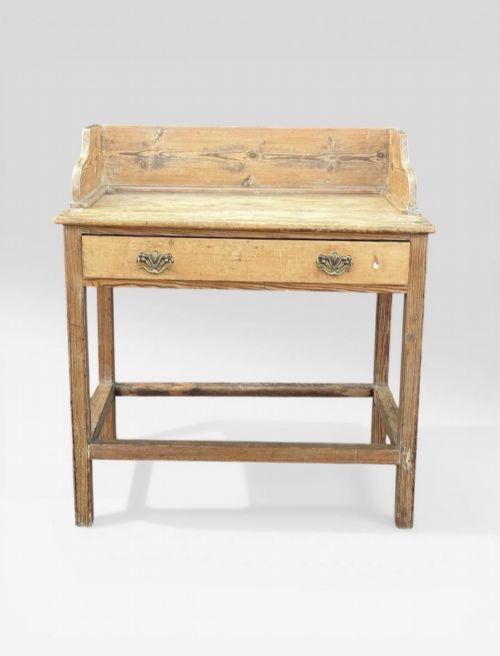
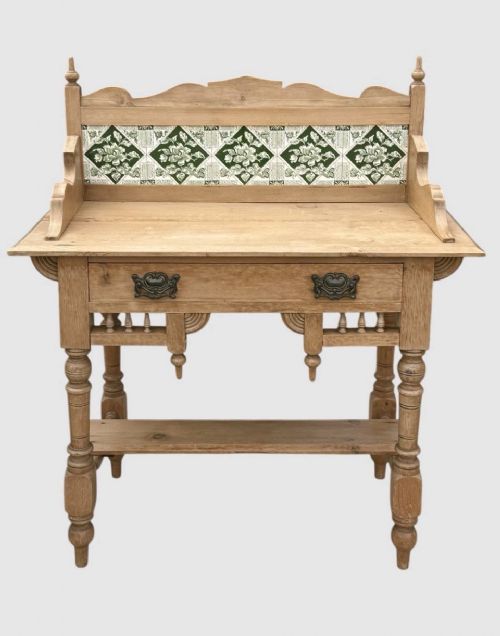
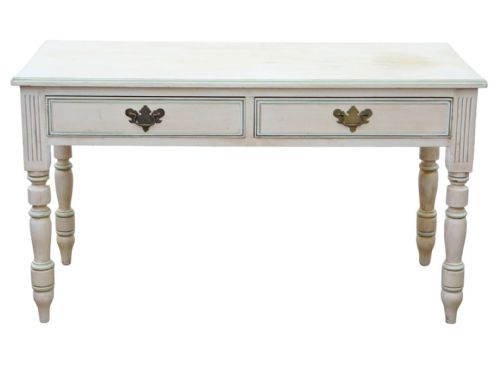

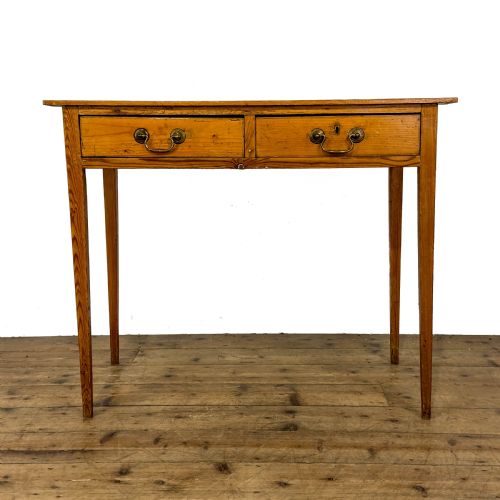

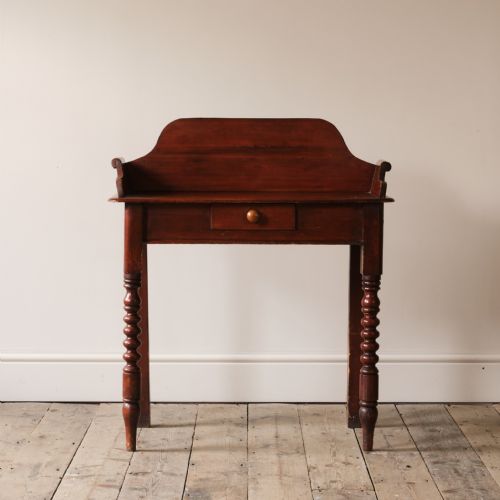


Rustic Pine Dressing Table
A rustic pine dressing table brings honest domestic utility and warm timber grain into a bedroom.
Rustic Pine Dressing Table
You are most likely to meet Victorian and nineteenth-century examples on this page, often showing the simple forms of English country furniture. These pieces served utilitarian roles in bedrooms and dressing rooms, carrying the honest marks of daily household use.
Many of these tables double as writing desks, washstands, or console tables, reflecting how nineteenth-century households repurposed simple furniture. Their unpretentious character fits modern rooms that value straightforward timber construction over heavy ornamentation.
Materials and construction
Makers built these tables primarily from solid pine and pitch pine, selecting softwood for its availability and workability. Simple pegged or nailed joints held the framework together, designed for everyday durability rather than cabinet-making display.
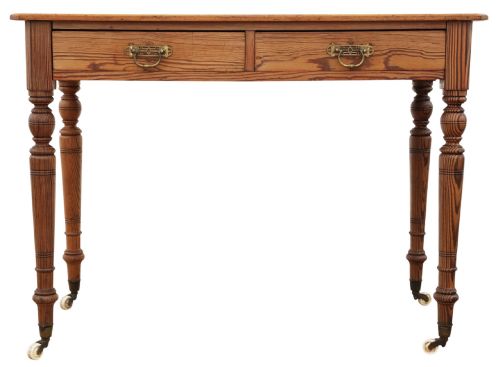
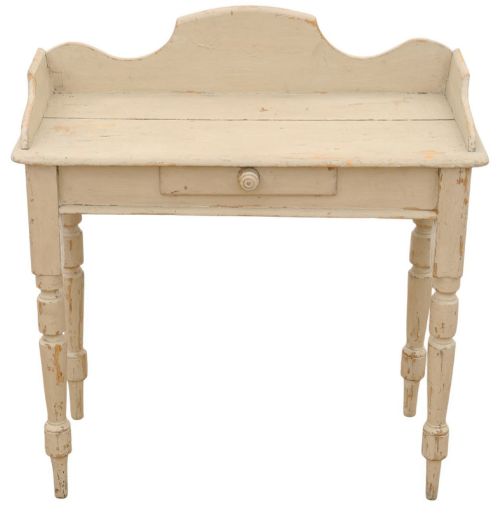
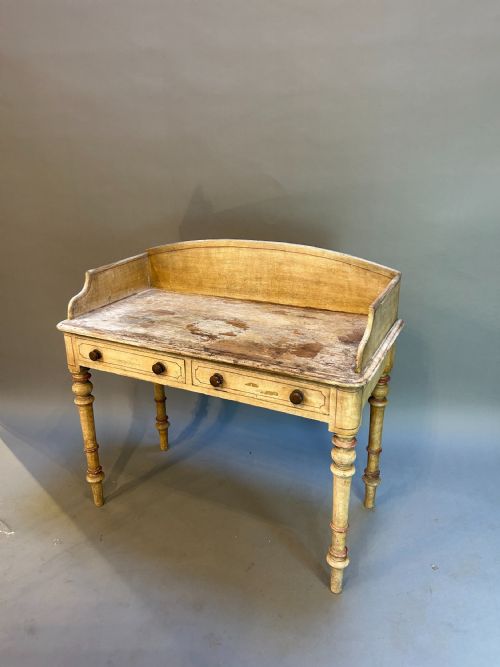
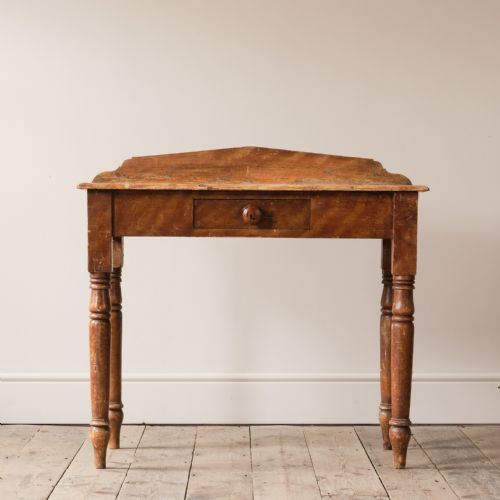
Surfaces frequently show layers of original paint or stripped timber, alongside brass or ceramic drawer pull handles. Some washstands incorporate tile gallery backs and glass components, adding functional utility to the basic wooden structure.
Tile gallery backs on Victorian washstands bravely stood between morning ablutions and damp bedroom wallpaper.
Judging quality in pine furniture
Quality in these domestic pieces rests upon the integrity of the timber and the survival of original surface finishes. Tables retaining their early paint surfaces carry greater character than those stripped down repeatedly over decades.
Construction details such as dovetailed drawer construction, sturdy turned legs, and undamaged gallery backs elevate a piece above basic utility furniture. The balance of proportions and the weight of the pitch pine timber distinguish superior workshop output.
The Rustic Pine Dressing Table Glossary
- Pitch Pine
- A dense, resinous softwood variety used for nineteenth-century furniture that provides enhanced durability and a pronounced grain pattern.
- Washstand
- A domestic wash station featuring a flat top, sometimes with a tile gallery back, designed to hold basin and pitcher sets.
- Console Table
- A narrow table intended to stand against a wall, frequently utilised in halls or bedrooms during the Victorian period.
- Gallery Back
- A raised rear boundary on a washstand or dressing table designed to protect walls from splashes and items sliding off.
Rustic Pine Dressing Table: Frequently Asked Questions
What is a rustic pine dressing table?
A rustic pine dressing table is a nineteenth-century or early twentieth-century domestic table used for personal grooming, writing, or washing. These pieces utilise solid pine or pitch pine timbers, often featuring simple drawers and turned legs.
They represent the utilitarian craftsmanship of English country and Victorian households. Their straightforward construction makes them versatile additions to modern bedrooms.
How do I date an old pine table?
Dating involves examining the construction methods, nail types, timber species, and overall design proportions. Nineteenth-century examples often display hand-sawn boards and older paint layers.
Victorian and Edwardian pieces show characteristic turnings and hardware styles. Comparing these physical traits against documented period furniture helps narrow down the decade of manufacture.
Are painted pine tables original?
Many nineteenth-century pine tables retain their original paint finish, which was applied to protect the softwood or decorate country interiors. Some surfaces show accumulated layers from successive household redecorations over generations.
Other tables have been stripped back to bare timber by later owners. Examining the paint layers under good light reveals whether the finish dates to the period of manufacture.
How do I care for antique pine?
Antique pine benefits from stable indoor humidity and protection from direct sunlight to prevent timber drying and splitting. Regular dusting with a soft cloth maintains the surface without abrasive chemical cleaners.
Wax polish can be applied sparingly to feed bare pine surfaces. Painted pieces require gentle cleaning with a damp cloth to preserve historical pigment layers.