






Rustic Pine Box Bench
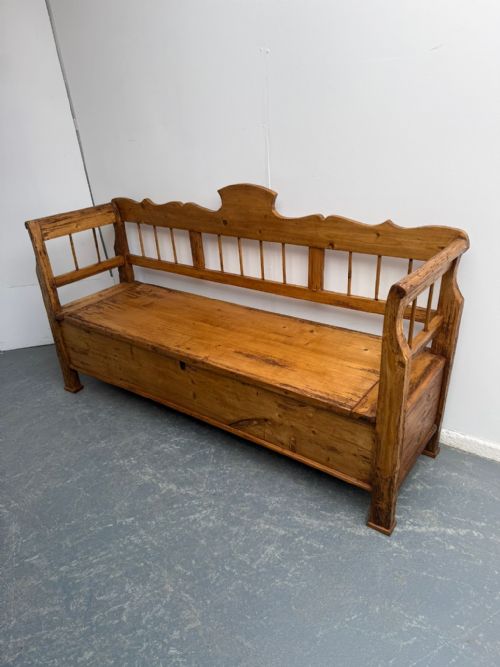
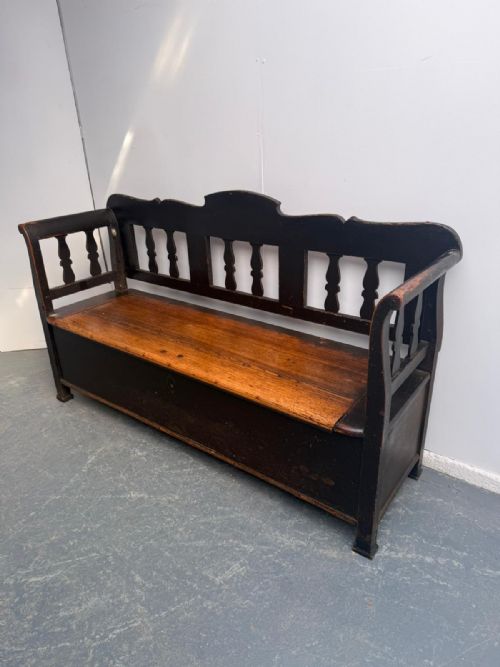
These rustic pine box bench examples are substantial country seating solutions with integrated storage, offering practical utility alongside vernacular charm.
Rustic Pine Box Bench
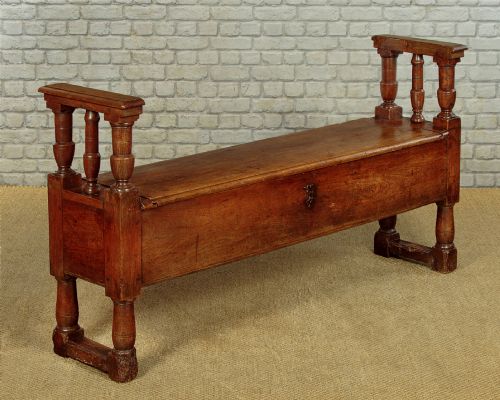
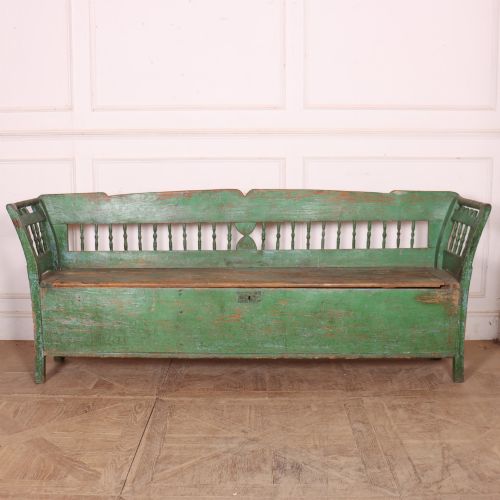
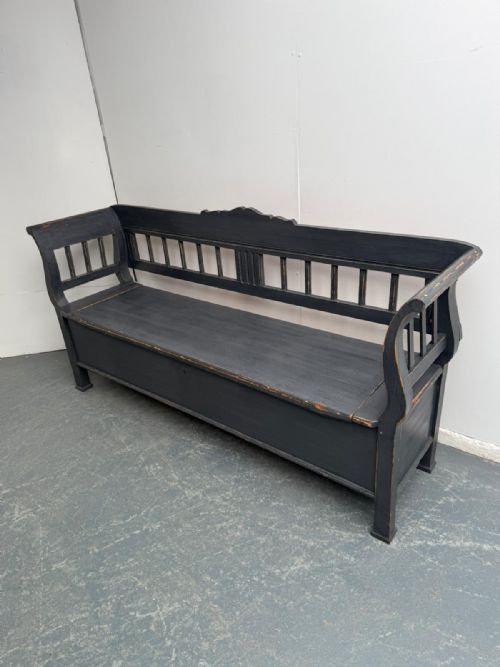
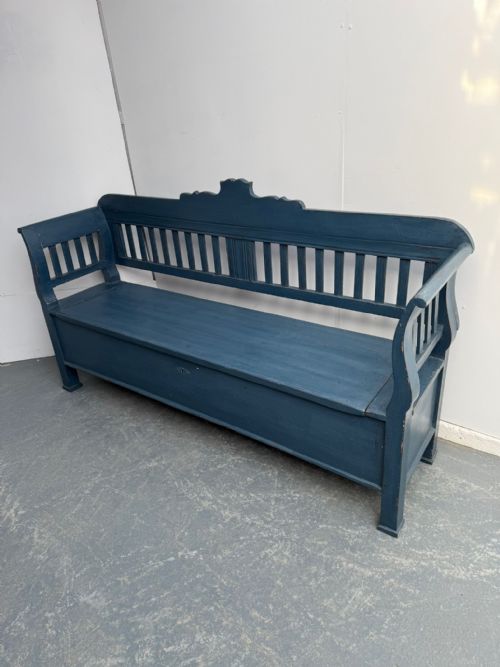
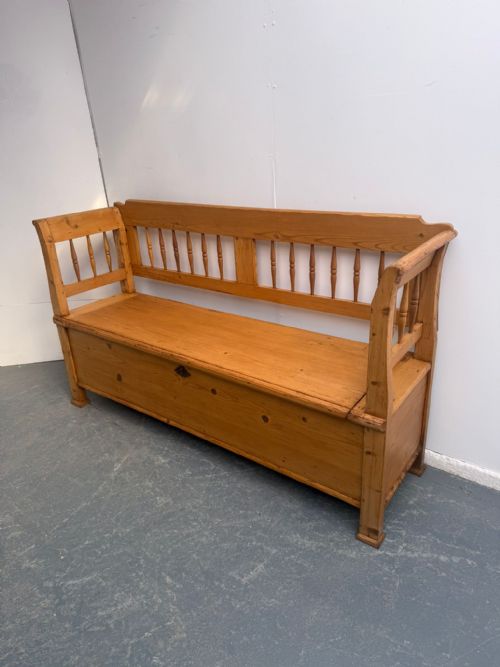
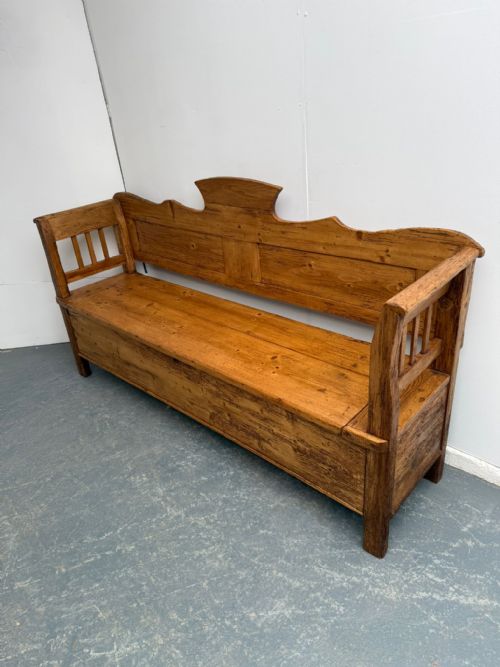
A rustic pine box bench combines a traditional bench seat with a storage chest base, serving as a dual-purpose item found across various European country styles. When searching for a rustic pine box bench, buyers encounter pieces originating from English, Welsh, Hungarian, Austrian, and Swedish traditions, often spanning the Georgian and Victorian eras. These items function as hallway seating, blanket storage, and kitchen settles, featuring high backs and hinged lids.
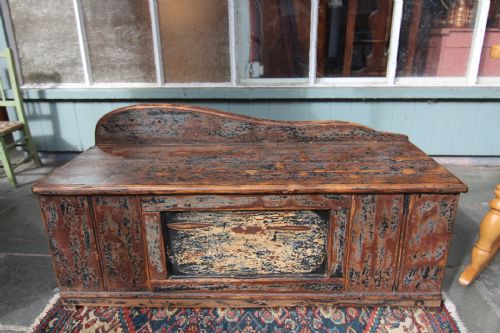
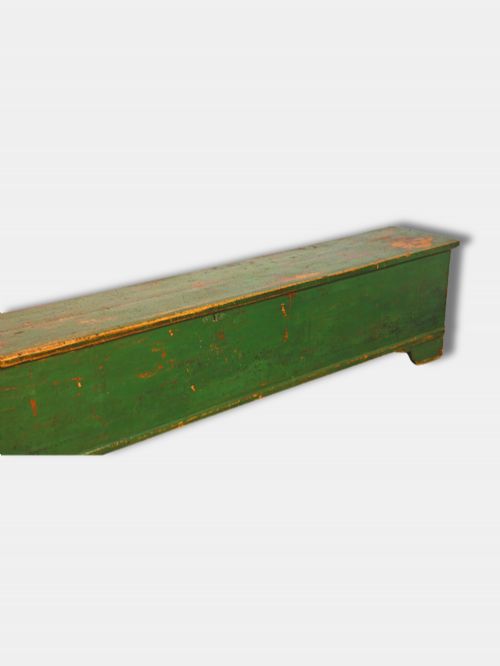
The construction typically involves solid softwood planks joined simply, sometimes incorporating elm for seats or iron hardware for hinges and locks. Many examples retain regional painted finishes, ranging from polychrome folk art designs to faded greys, creams, blues, and greens, whilst others display waxed patinated bare timber. The forms range from slim hallway seating to large multi-seater settles designed to block draughts near a hearth.
Materials and construction methods
Makers utilised locally available softwood timber, primarily pine, occasionally supplemented by denser woods such as elm for high-wear seating areas. Planks were joined with basic carpentry techniques, relying on dovetail or tongue-and-groove joints to construct the integrated storage box beneath the seat.
Surfaces were either left bare and treated with wax to develop a deep patina over decades of use, or finished with traditional lead-based and oil paints. Iron was utilised for structural reinforcement, strap hinges, and locking mechanisms, securing the heavy lift-up lids characteristic of these seats.
Rustic Pine Box Bench Retail Price Guide 2026
Typical asking prices for rustic pine box bench among the pieces listed under this phrase on Sellingantiques today, from the lower quarter to the upper quarter. They describe what is for sale here now, not the wider market.
Surfaces span from unpainted waxed timber showing deep patination to original grey, cream, blue, green, and polychrome painted finishes.
Evaluating quality and authenticity
The distinction between ordinary and superior pieces rests largely on the survival of original surface finishes, whether through unmolested waxed patination or authentic regional paintwork. Pieces retaining their period polychrome decoration or early painted surfaces command greater interest than stripped or later re-painted examples.
Proportion and structural integrity also govern the hierarchy, as heavier timber sections, original ironwork, and untouched interior floorboards indicate a higher grade of vernacular workshop production. The presence of integrated spindle backs, shaped armrests, or documented regional origins further separates standard utility furniture from finer folk art specimens.
The Rustic Pine Box Bench Glossary
- Box settle
- A high-backed wooden bench with a compartment beneath the seat enclosed by a hinged lid. This form provided both seating and secure storage whilst shielding occupants from draughts in farmhouse kitchens.
- Patina
- The surface sheen and colour acquired by wood through age, handling, and repeated waxing. A genuine patinated surface reveals the organic wear of prolonged domestic use.
- Polychrome
- Painted in several colours, frequently associated with folk art traditions. Such decoration appears on regional European case furniture and seating.
- Settle
- A wooden bench with a high solid back, enclosed arms, and a skirt reaching the floor. They were principal items of furniture in traditional domestic interiors before the widespread adoption of upholstered sofas.
- Veneer
- A thin layer of superior wood glued to a base of cheaper timber. This technique is rarely encountered on rustic country utility seating.
Rustic Pine Box Bench: Frequently Asked Questions
How do I clean a waxed pine bench?
Maintenance requires only a soft cloth and natural beeswax applied sparingly to nourish the timber without stripping the historic surface. Avoid modern chemical sprays or excessive moisture which can damage the established patina.
Allow the wax to dry before buffing gently to a soft sheen. This preserves the surface layers built up over generations of domestic use.
Were these benches used outdoors?
Original examples were built exclusively for domestic interior use, specifically within farmhouses, hallways, and cottages as primary seating and storage. Exposure to damp outdoor conditions will warp the pine planks and ruin historic painted or waxed finishes.
Placing them in dry indoor environments protects the structural integrity of the softwood and the iron hinges. They function best away from direct heat sources that cause timber to split.
How do I date a rustic pine bench?
Dating relies on examining construction marks, nail types, hinge hardware, and the character of the pine timber itself. Hand-forged ironwork and pegged joinery generally point towards earlier Georgian or 18th-century origins.
Later Victorian and 19th-century pieces often display machine-sawn elements and standardised screws. Paint analysis and regional stylistic traits further help narrow down the period of manufacture.