



Rustic Pine Bedding Trunk
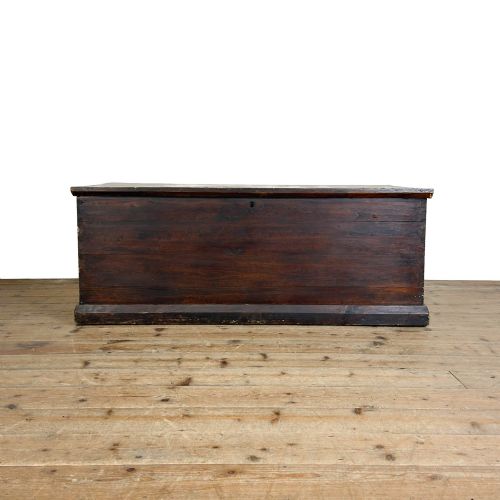
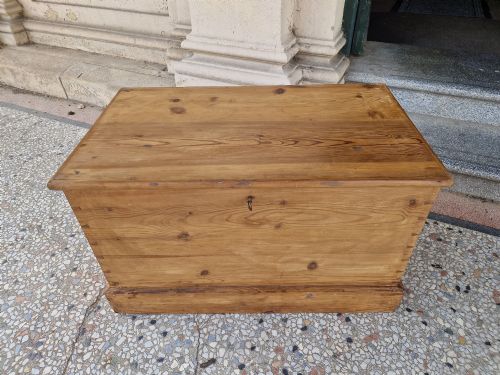
A rustic pine bedding trunk is a sturdy timber storage piece designed for linens, bringing honest country utility and warmth to a room.
Rustic Pine Bedding Trunk
When you search for a rustic pine bedding trunk, you are looking at substantial wooden chests built to store blankets, sheets and household textiles. These pieces range from simple utility boxes to slightly more finished country furniture featuring bracket feet or single bottom drawers.
The versions you are most likely to meet on this page hail from the Victorian era and the nineteenth century, constructed entirely from solid pine. Earlier eighteenth-century examples also appear, offering deeper historical character and heavier coffer construction.
These items serve equally well as blanket boxes, chests and coffers, maintaining their original domestic purpose while functioning as practical coffee tables or bedroom storage today.
How they were made
Makers built these trunks using solid pine timbers, selected for availability and durability rather than showy grain. Boards were joined simply and stoutly to withstand heavy daily use in domestic quarters.
Iron and brass fittings such as hinges, handles and escutcheons provided the necessary mechanical strength for lifting heavy lids and securing contents. Some examples received a coat of paint, while others were left plain or finished with a simple wax coating over the bare timber.
Rustic Pine Bedding Trunk Retail Price Guide 2026
Typical asking prices for rustic pine bedding trunk among the pieces listed under this phrase on Sellingantiques today, from the lower quarter to the upper quarter. They describe what is for sale here now, not the wider market.
Listings span the eighteenth and nineteenth centuries, demonstrating the enduring popularity of pine for practical household storage.
What varies in quality
Quality in these trunks rests primarily in the integrity of the original construction and the preservation of authentic surface treatments. Pieces retaining their original painted finish or traditional bracket feet stand apart from altered or stripped examples.
The presence of structural refinements, such as a well-fitted long drawer beneath the main coffer compartment, elevates a piece from a basic utility box to a more considered item of farmhouse furniture.
The Rustic Pine Bedding Trunk Glossary
- Pine
- A soft softwood widely utilised in British country furniture for its accessibility and ease of working. It takes wax and paint readily.
- Bracket foot
- A small architectural support projecting from the lower corners of a chest, lifting the body slightly off the floor. It adds a touch of formality to country pieces.
- Coffer
- A traditional heavy chest with a hinged lid, historically used for storing valuables or textiles. The term often implies an earlier and sturdier build.
- Escutcheon
- A protective plate surrounding a keyhole, usually fashioned from brass or iron. It prevents the surrounding wood from splitting through repeated use of the key.
Rustic Pine Bedding Trunk: Frequently Asked Questions
What fits inside a bedding trunk?
These spacious boxes easily accommodate bulky household textiles, spare blankets, heavy winter quilts and pillows. Their deep interiors make them ideal for storing items that require protection from dust.
Beyond linens, many people utilise them for seasonal clothing or bulky sitting-room throws, keeping everyday spaces tidy and clutter-free.
Are these trunks sturdy enough for seating?
Most of these pine boxes were built with robust joinery intended to withstand domestic demands, meaning they often function well as casual seating at the foot of a bed. Their flat tops provide a convenient perch when pulling on shoes or laying out garments.
It remains wise to check the condition of the original hinges and lid construction before placing heavy weight on them regularly.
How do I care for waxed pine?
Waxed pine requires very little maintenance beyond an occasional wipe with a soft, dry cloth to remove dust. Applying a quality beeswax polish once or twice a year keeps the timber nourished and preserves the warm lustre of the finish.
Avoid placing these pieces near direct heat sources or in damp areas, as extreme temperature shifts can cause the timber to warp or split.
How do I date an old pine chest?
Dating relies heavily on observing construction methods, hardware types and overall proportions. Eighteenth-century examples typically display heavier coffer framing and hand-cut joinery, whereas nineteenth-century pieces often feature simpler box construction or added bracket feet.
Original paint surfaces and traditional iron or brass hardware also offer strong chronological clues regarding when the piece was made.