
Rustic Painted Drawers
Rustic painted drawers bring honest utility and layered surface character to an interior through practical timber construction.
Rustic Painted Drawers
Rustic painted drawers encompass practical storage furniture built from timber and finished with paint, designed for everyday domestic use across domestic settings.
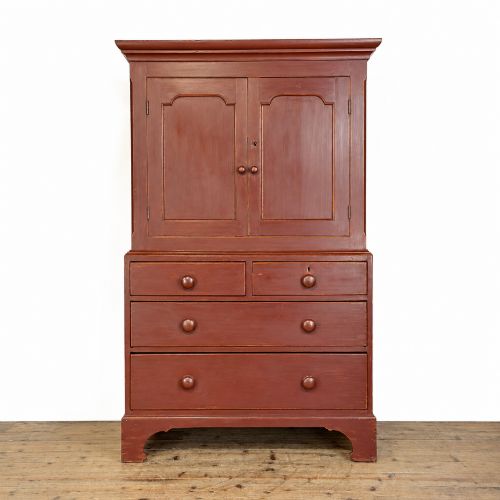
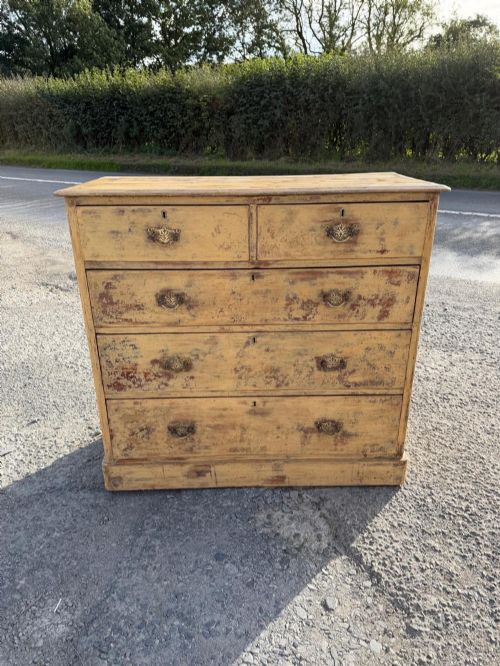
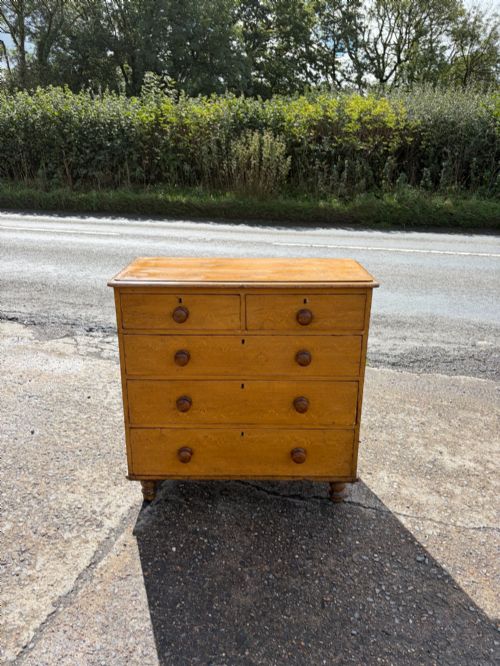
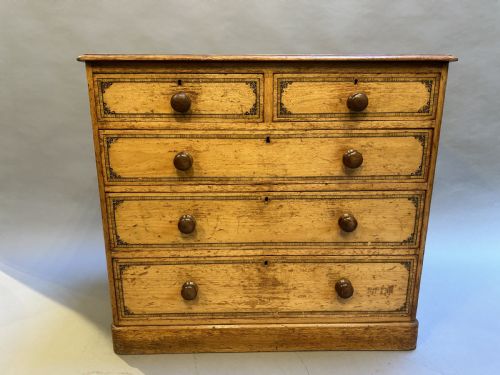
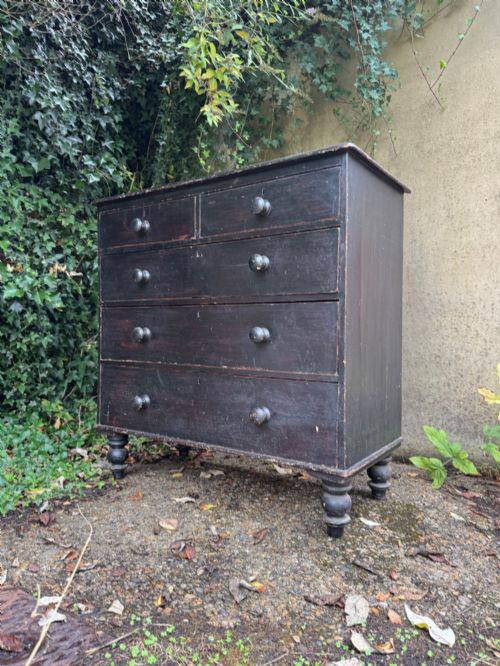
The version most commonly encountered on this page is the pine chest of drawers dating from the Victorian and nineteenth-century periods, often retaining its original painted surface.
Pieces span various formats including Georgian and Regency examples alongside broader stylistic categories such as English Country and French Provincial.
What varies in quality
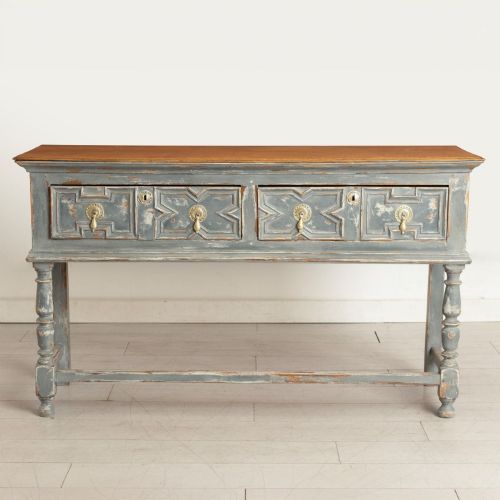
The integrity of the original painted surface distinguishes pieces that retain their historical patina from those with later or replacement coats.
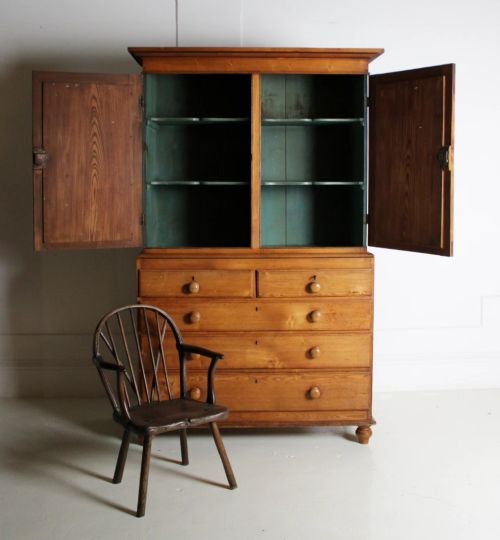
Construction details such as whether a chest was originally made in two parts or built as a single carcase affect the architectural proportion and balance of the object.
The choice of primary timber, ranging from dense local pine to harder woods like oak and fruitwood, influences the durability and weight of the furniture.
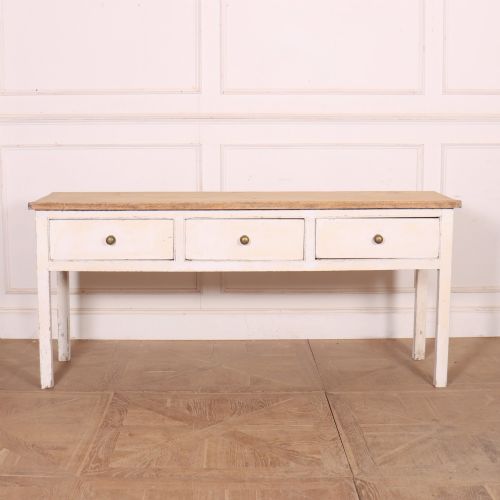
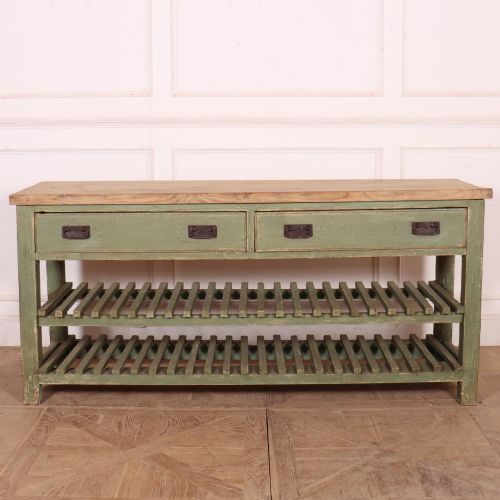
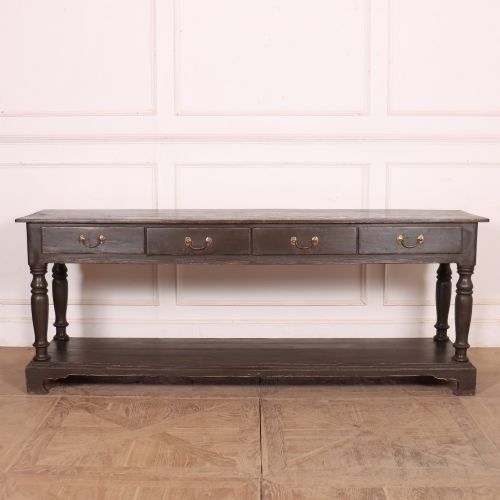
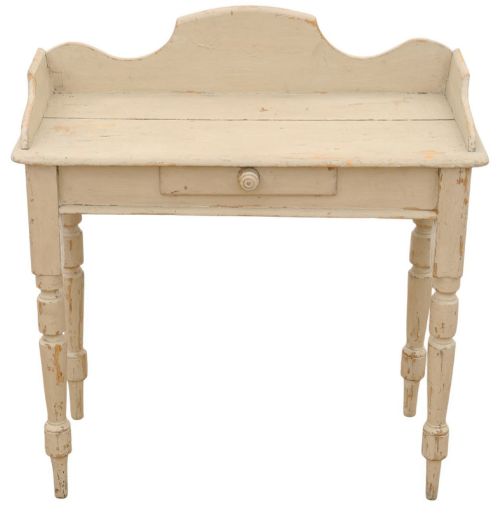
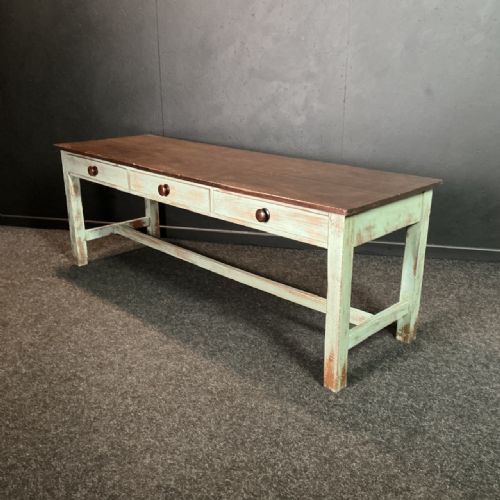
Forms range from traditional chests of drawers and dresser bases to washstands, linen presses, and drapers tables.
The Rustic Painted Drawers Glossary
- Scumble
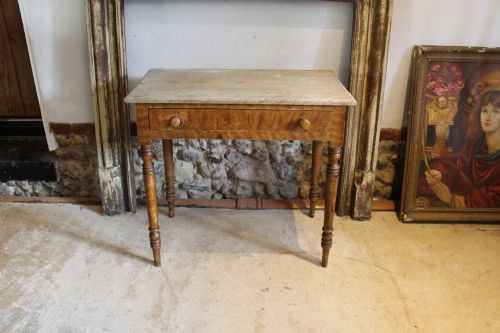
- A decorative painting technique involving a translucent top layer dragged over a lighter base to simulate wood grain or create textured depth. This finish appears on nineteenth-century tables and case furniture.
- Potboard
- An open lower shelf built into the base of a dresser for storing heavy kitchen pottery and utensils. It provides structural stability while keeping everyday domestic items accessible.
- Mule chest
- A storage box fitted with one or more drawers at the base, bridging the transition between a traditional blanket chest and a chest of drawers. Early examples often utilise pine or oak.
- Dresser base
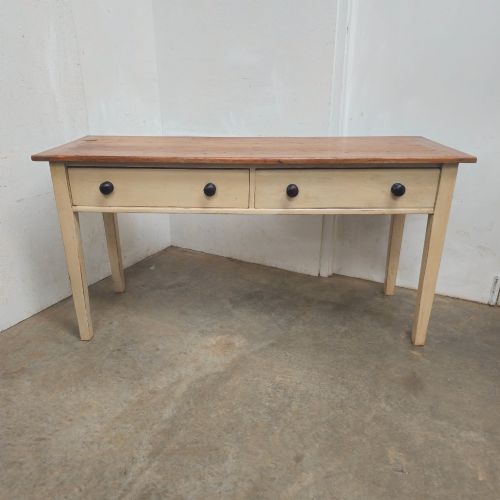
- A low sideboard or cabinet featuring drawers and cupboards, historically used for food preparation and storage in farmhouse kitchens. These pieces anchor dining spaces and country interiors.
- Knockdown wardrobe
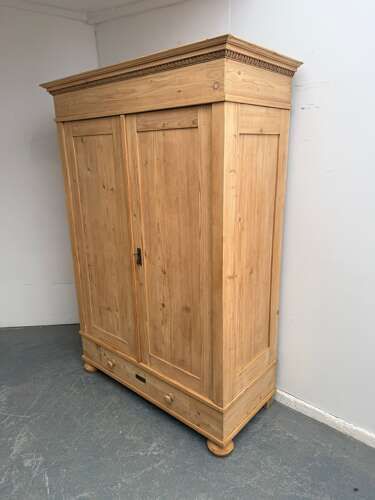
- A large storage cabinet designed to be disassembled into panels for easier transport and installation in rooms with tight access. This clever assembly method was common in Victorian pine furniture.
Rustic Painted Drawers: Frequently Asked Questions
How do I care for original painted surfaces?
Keep painted furniture away from direct sunlight and excessive moisture to prevent the surface from drying out or flaking over time. Dust gently with a dry cloth rather than using liquid polishes that might soften old paint.
Allow the timber to acclimate naturally to your room environment without applying modern chemical strippers or heavy waxes unless the surface specifically requires protection.
Are these drawers suitable for modern bedrooms?
These practical storage pieces fit easily into contemporary bedrooms by offering deep drawer capacities and compact footprints. Their versatile proportions work well against plain walls and alongside mixed interior styles.
Ensure you measure both floor space and ceiling height carefully, particularly with taller Victorian wardrobes or multi-part chests that require adequate clearance.
How can I tell if the paint is original?
Original paint usually displays natural wear patterns, minor craquelure, and integration with the underlying timber surface from decades of handling. Look for consistent ageing around handles, edges, and frequently touched areas.
Later repainting often hides the natural grain texture of the pine or oak beneath a flat, uniform modern coating without the historical depth found in period finishes.
What is the difference between Georgian and Victorian pieces?
Georgian examples often display restrained proportions and refined construction details, frequently utilising pine, oak, or fruitwood with classic architectural lines. These pieces tend to reflect earlier eighteenth-century cabinetmaking traditions.
Victorian pieces on the other hand frequently incorporate stencilled decoration, scumble finishes, and knockdown wardrobe designs suited to expanding nineteenth-century households.