


Rustic Oak Storage
These pieces of rustic oak storage bring honest timber and centuries of utility straight into a room.
Rustic Oak Storage
Rustic oak storage encompasses heavy timber furniture designed to hold household goods, linens and provisions across several centuries. These pieces originate from domestic settings where durability and practicality governed manufacture rather than courtly fashion.
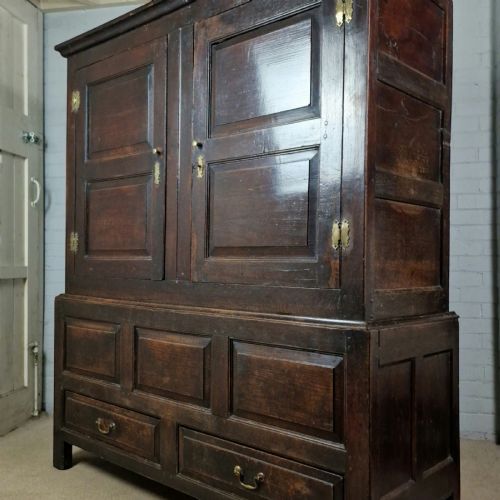
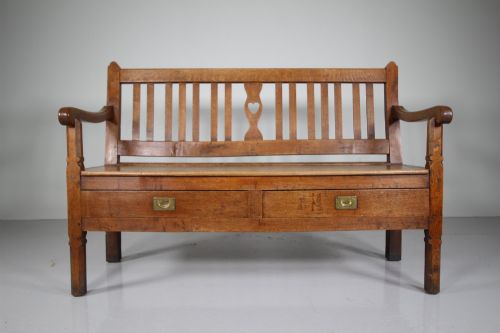
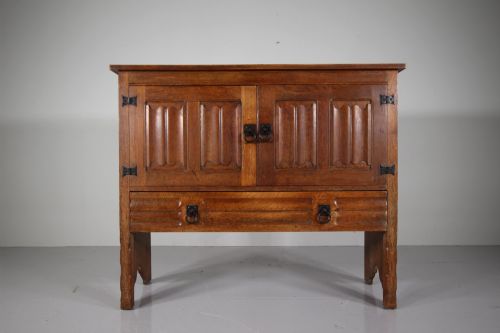
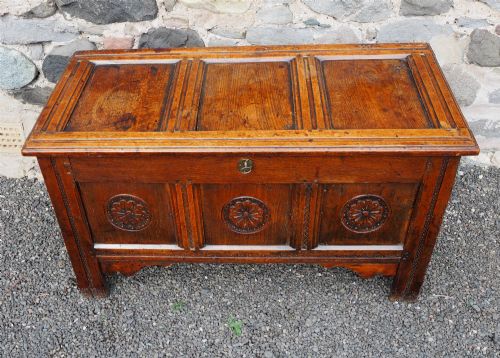
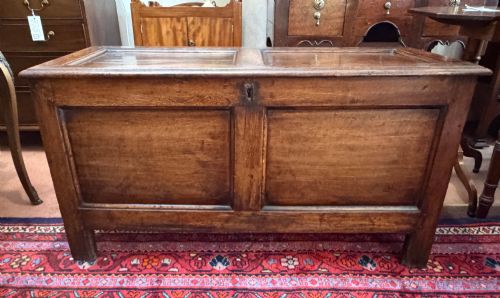
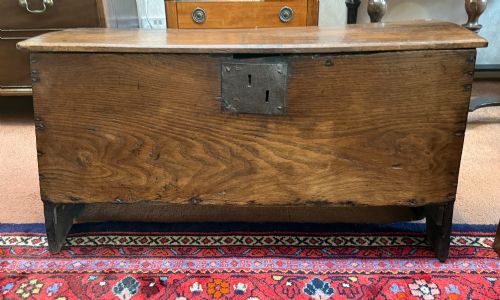
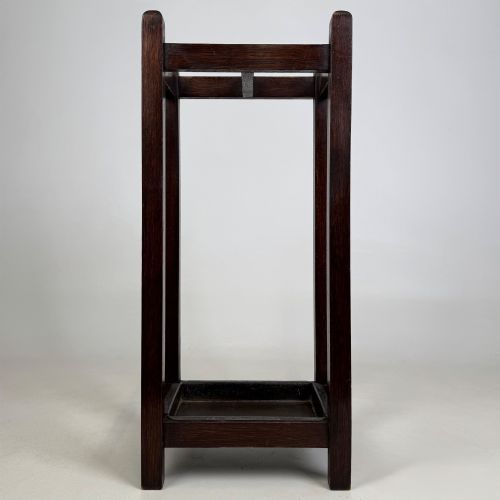
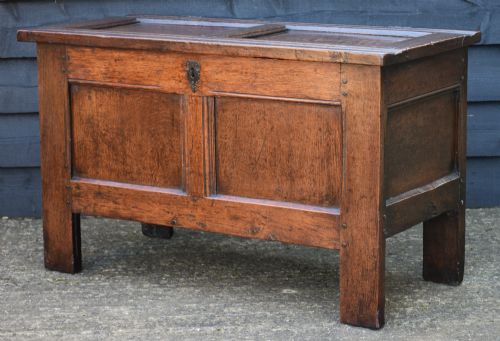
Coffers, chests and cupboards dominate the selection, alongside dressers, box settles and specialised bins. The 18th century and 19th century provide the bulk of the domestic items, supplemented by earlier 17th-century examples and later Arts & Crafts reinterpretations.
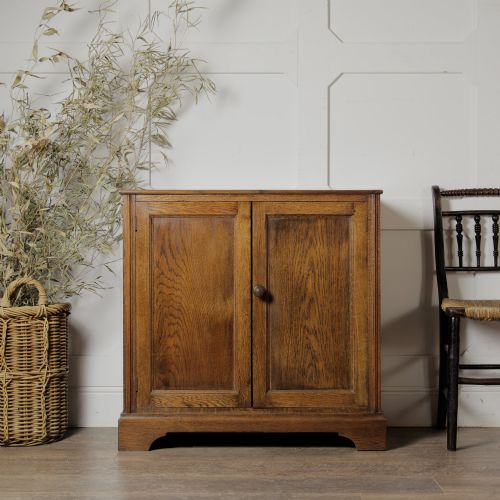
Buyers meet sturdy panelled coffers, corner cabinets and low cupboards intended for everyday service. English country and French provincial styles appear frequently, showing regional variations in timber selection and joinery.
Evaluating quality and proportion
The integrity of the timber and the crispness of hand-carved panels distinguish finer pieces from utilitarian work. Early examples with untouched surface patination and original ironwork command greater appreciation among collectors.
Proportion and structural balance dictate the success of a form, especially when smaller dimensions or provincial regional quirks are involved. Alterations to feet, lids or interior fittings affect the overall historical coherence of the piece.
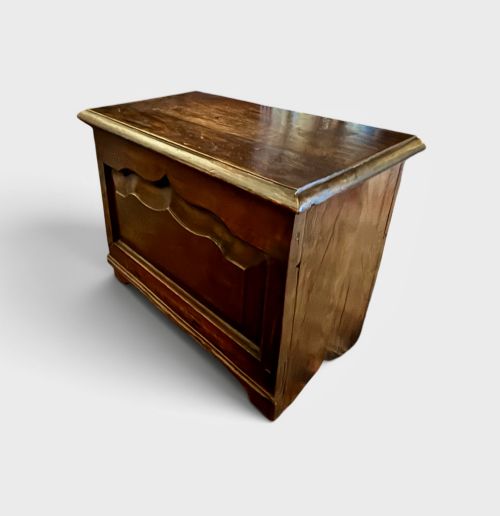
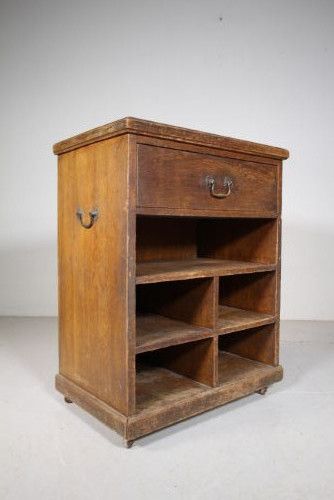
Grain bins designed to hold dry flour in country farmhouses now find new life storing modern yoga mats.
Heals St. Ives
The Rustic Oak Storage Glossary
- Coffer
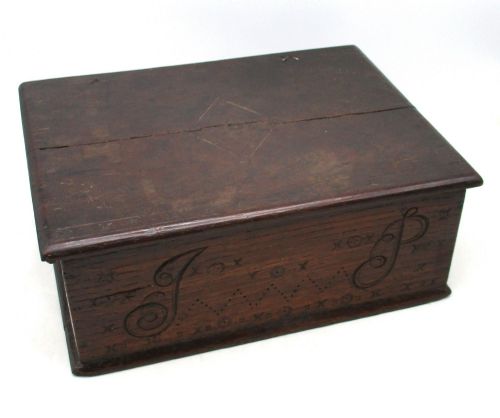
- A large wooden chest with a hinged lid, traditionally used for storing valuables, documents or textiles. Many early examples feature front panels decorated with carved geometric patterns.
- Box settle
- A high-backed wooden bench with a compartment beneath the seat for storage. These items combined seating with practical containment near the hearth.
- Dresser base
- A low wooden sideboard fitted with drawers and cupboards, used in kitchens for food preparation and storage. They often support a plate rack or open shelving superstructure.
- Enfilade
- A long sideboard or cabinet featuring multiple doors, common in French provincial interiors. They provide extensive internal capacity behind panelled timber facades.
- Quarter-sawn
- A method of milling logs that cuts at right angles to the growth rings. This technique produces timber with enhanced dimensional stability and distinct figure lines.
Rustic Oak Storage: Frequently Asked Questions
What was a coffer used for?
Coffers served as the primary portable wardrobe and security vault in medieval and early modern households. Families stored woollens, silver, documents and dried foods inside to protect them from damp and pests.
Over time, these chests evolved into fixed furniture pieces, eventually giving rise to the modern chest of drawers and sideboard as domestic interiors became more specialised.
How do I date an oak coffer?
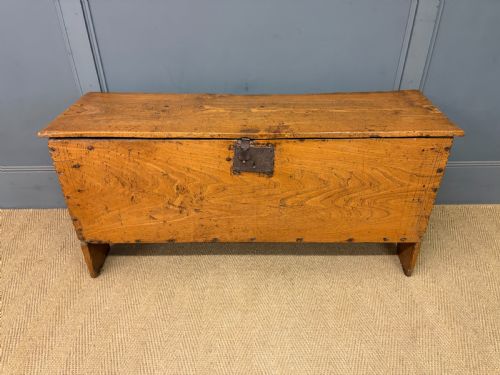
Dating relies on observing construction methods, tool marks and the evolution of decorative styles. Hand-split boards, pegged mortise and tenon joints, and iron butterfly hinges typically point to the 17th century or earlier.
Later pieces from the Georgian and Victorian eras often display machine-sawn timber, standardised fixings and machine-cut dovetails, alongside stylistic nods to Gothic or regional revivalism.
Where should I place a heavy oak cupboard?
These substantial items require stable flooring and walls capable of supporting heavy timber, particularly for tall cupboards or wall-hanging corner units. Keep them away from direct heat sources and strong sunlight to prevent the oak from splitting or warping.
Allow enough clearance around hinged doors and heavy lids so they can open fully without scraping against skirting boards or adjacent walls.
Are these pieces made of solid oak?
The listings consist primarily of solid oak, though secondary woods like pine, elm or fruit wood occasionally appear in drawer linings, panel backs or internal shelving. Regional pieces frequently utilised whatever local timber grew in abundance.
Heavier items are constructed entirely from thick oak planks, giving them significant weight and structural resilience that distinguishes them from veneered furniture of later centuries.